CheckNumber.AI
 · 4 min read
WhatsApp Contact List Segmentation: A Profile-Based Framework
Move beyond raw phone numbers with a profile-based WhatsApp contact list segmentation framework using registration, activity, and demographic signals.
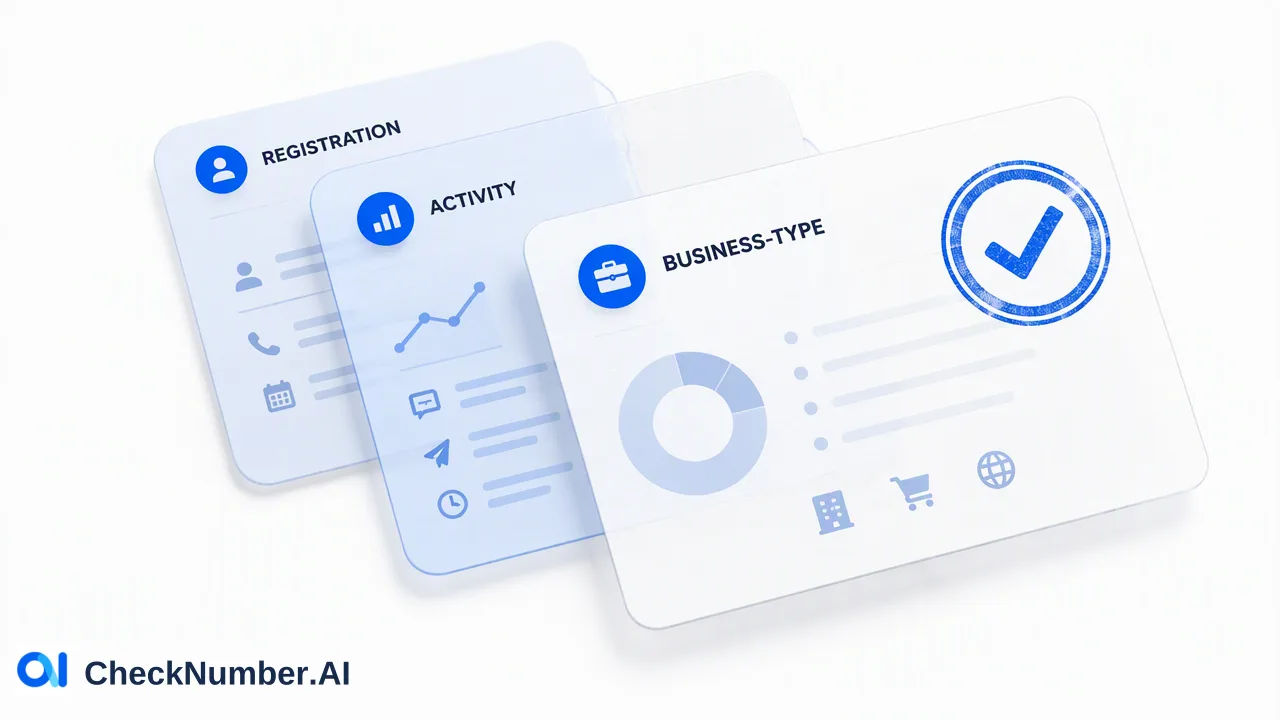
WhatsApp contact list segmentation is the practice of categorizing phone numbers into distinct audience groups based on platform account presence, activity context, and user profile attributes rather than relying on raw contact databases. Raw contact lists often contain unreachable or inactive numbers that waste messaging resources. By establishing data hygiene standards, checking platform-registration signals, and incorporating available activity or demographic context, organizations can align messaging frequency and content relevance to specific lifecycle stages.
The Limitations of Raw Phone Number Lists
Relying on unverified, raw phone number databases introduces substantial operational inefficiencies to direct outreach campaigns. Raw contact inventories gathered across different acquisition channels frequently contain invalid entries, formatting anomalies, duplicates, or disconnected lines. Furthermore, raw phone records lack contextual data. A telephone number alone does not indicate whether an account exists on a particular platform, how recently the account engaged, or whether the recipient is an individual or a business entity. Attempting to execute audience segmentation solely on unstructured records leads to misaligned campaign messaging, inflated operational costs, and distorted performance metrics. Establishing data hygiene is an essential prerequisite before applying advanced segmentation. Data hygiene involves systematically cleaning, standardizing numerical formats, and removing duplicate records across the contact base. Once lists are normalized, organizations can apply targeted verification workflows that evaluate platform readiness.
Core Dimensions of a Segmentation Framework
A structured segmentation framework moves teams away from one-size-fits-all broadcasts by evaluating contacts across three core dimensions:
| Dimension | Evaluation Focus | Strategic Application |
|---|---|---|
| Region & Standardization | Country codes, regional prefixes, and format integrity | Determines localized routing, compliance with local messaging practices, and timezone-appropriate distribution. |
| Activity & Presence | Platform registration, account presence, and activity context | Separates reachable accounts from dormant or unregistered numbers to guide resource allocation. |
| Lifecycle & Profile | Business status, demographic context, and interaction stage | Informs content tailoring, promotional relevance, and operational escalation paths. |
| Standardizing records by geographic region enables teams to respect regional dispatch hours and align messaging languages. Simultaneously, evaluating lifecycle stages helps balance communication frequency with user receptivity. Highly engaged, active segments can accommodate regular operational notifications or nurture sequences, while dormant contacts may require lower-frequency re-engagement workflows to prevent churn. |
Leveraging Platform-Specific Verification Signals
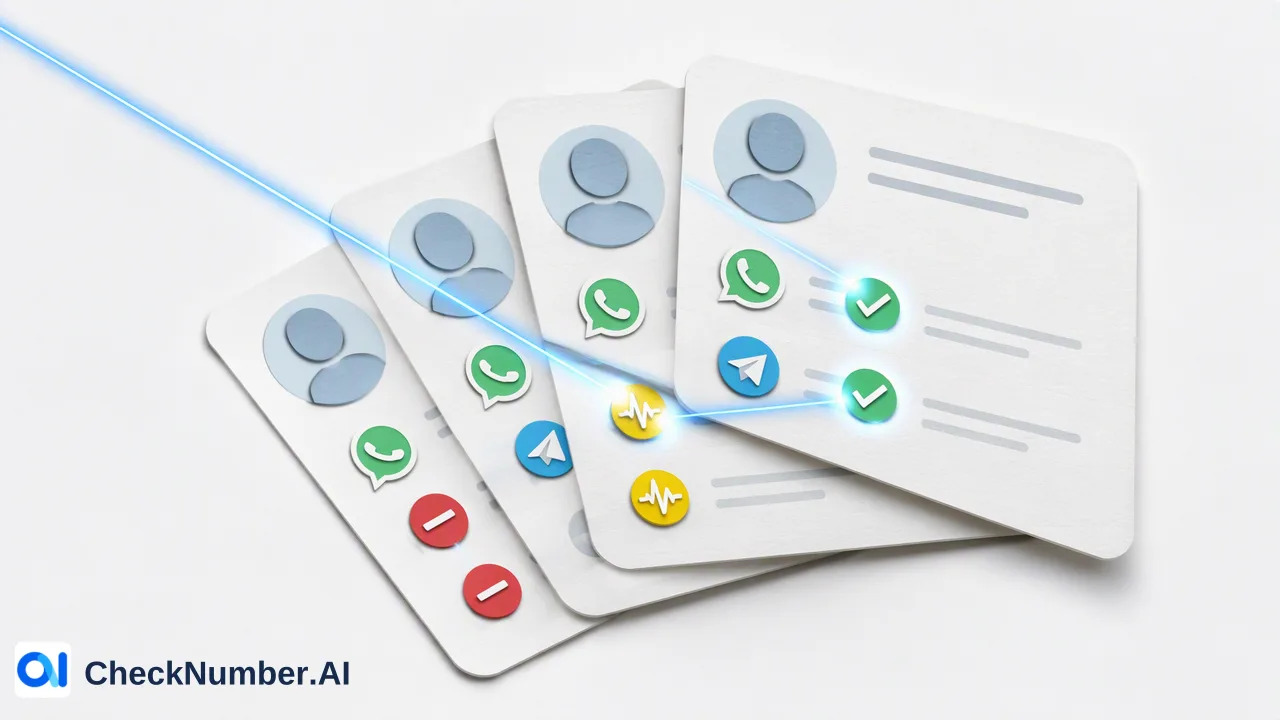
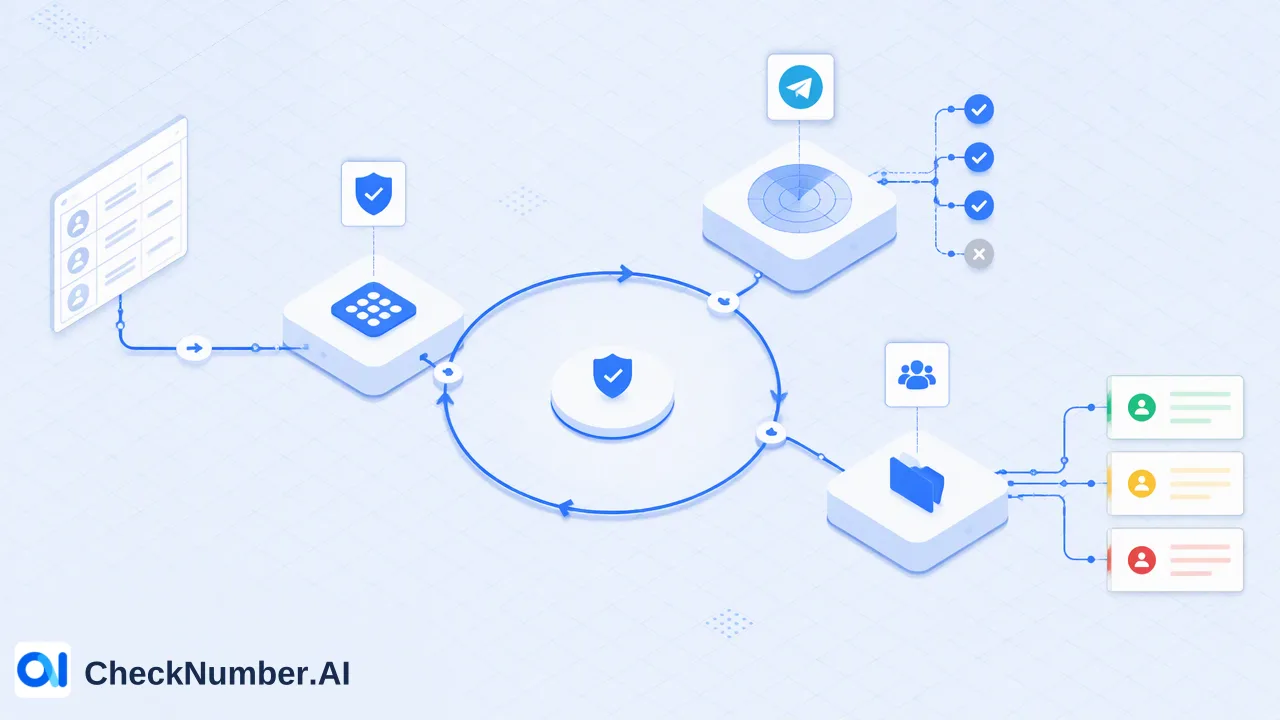
Precise segmentation relies on objective, check-time data. Rather than assuming reachability, organizations can incorporate platform-specific checking signals into their data pipeline. * Platform Registration Signals: Specialized verification, such as WhatsApp Number Checker or WhatsApp Advanced Checker, evaluates whether an account is actively registered on WhatsApp at the check time. * Activity and Business Context Signals: Verification using WhatsApp Days Checker identifies account presence alongside available activity or last-seen indicators and business-account indicators. Distinguishing between personal accounts and registered business profiles helps business-to-business and consumer outreach teams route records to appropriate operational queues. * Demographic Enrichment: Incorporating WhatsApp Age & Gender Checker provides available demographic and profile enrichment context. These signals allow marketing and support teams to construct tailored audience personas and refine content tone without relying on manual profile surveys. These verification signals function as decision-support inputs.
Best Practices for Ongoing List Maintenance
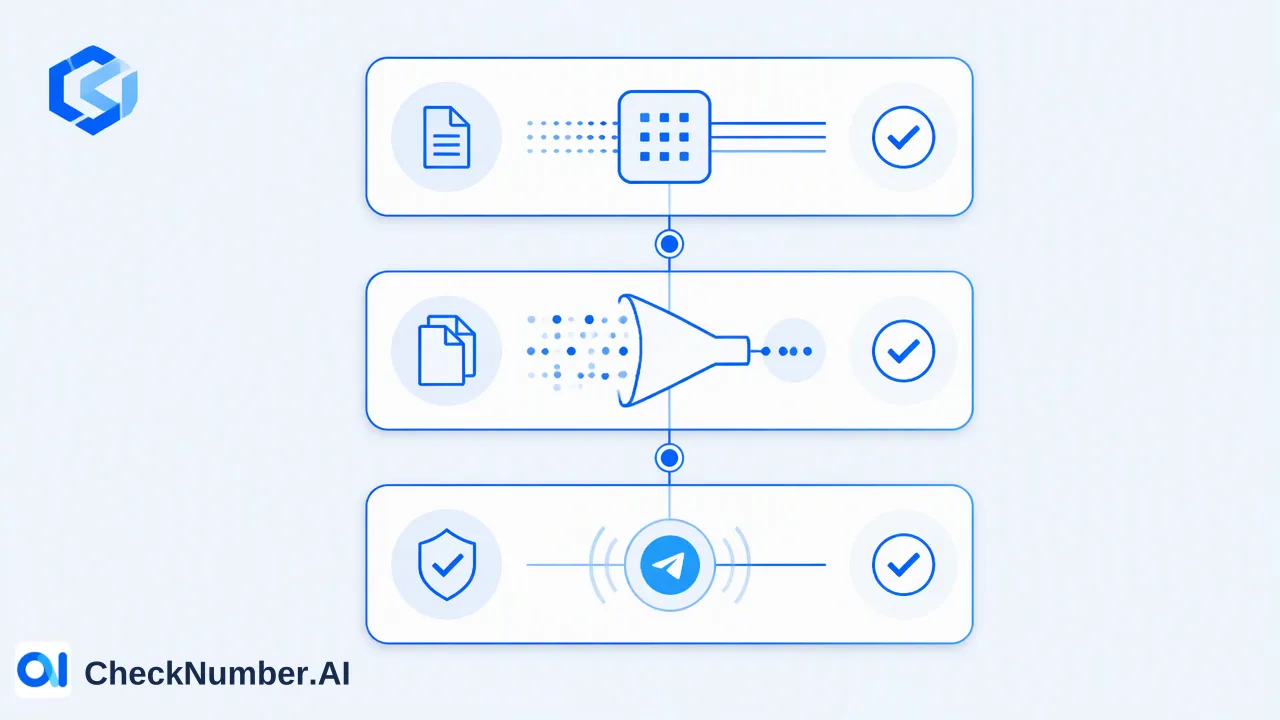
Maintaining high-performing contact lists requires routine data auditing and automated verification workflows. Because user activity and phone ownership change over time, static lists degrade in quality. 1. Standardize and Deduplicate Ingestion: Process all new inbound contact entries through standardization procedures to ensure uniform numbering, and remove duplicate entries across CRM systems before initiating platform checks. 2. Run Scheduled Bulk Verifications: CheckNumber.AI supports bulk verification workflows via CSV or TXT list uploads as well as REST API access. Routinely running list audits through these workflows keeps platform status and activity context updated. 3. Prune Inactive Accounts: Isolate phone numbers that consistently return absent registration signals or prolonged inactivity indicators. Suppressing these numbers protects sender reputation and conserves messaging budgets. 4. Align Content to Segment Attributes: Match communication themes and dispatch intervals to the validated audience profiles, maintaining lower frequency for infrequent users to minimize opt-outs.
FAQ
Why is platform registration status important for WhatsApp outreach?
Checking account presence confirms whether a phone number is registered on WhatsApp before teams allocate resources to message distribution, helping prevent resources from being wasted on numbers that cannot receive communications on that network.
How does activity status influence communication frequency?
Activity signals, such as last-seen or recent activity context, inform how frequently organizations should contact specific segments. Reaching out frequently to inactive accounts risks user disengagement or churn, whereas active accounts can support more timely lifecycle touches.
What is the role of data hygiene in list segmentation?
Data hygiene involves cleaning, standardizing, and deduplicating raw contact records before segmentation checks take place. Ensuring numbers adhere to standardized formats eliminates structural errors early and establishes a reliable foundation for platform-level verification.