CheckNumber.AI
 · 4 min read
Viber Contact List Hygiene: A Strategic Framework for Segmentation and Outreach
Learn how systematic Viber contact list hygiene, platform-specific registration verification, and activity segmentation support targeted outreach workflows and database quality.

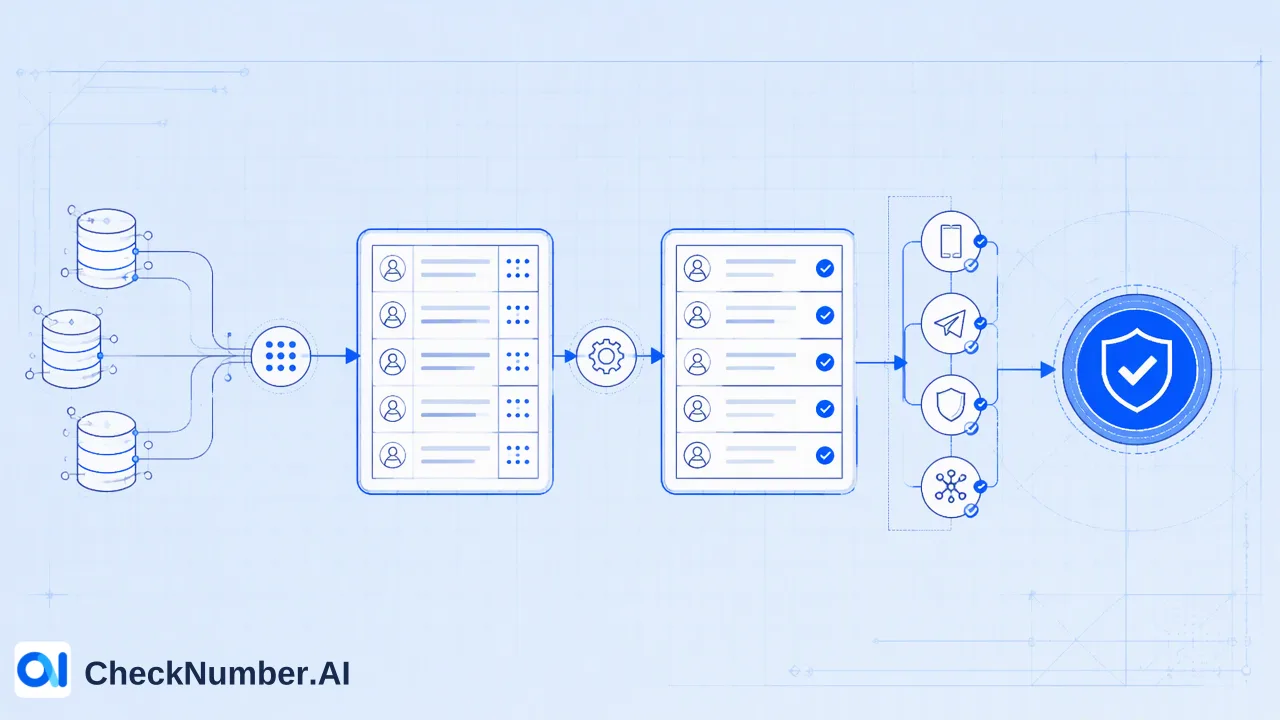
Viber contact list hygiene is the systematic process of standardizing, validating, and segmenting contact records to verify that messaging efforts target reachable accounts. By combining international number format normalization with platform-specific registration checks and activity intelligence, organizations can avoid dead-end routing, inform segmentation decisions, and prioritize resources toward contacts showing recent presence on Viber.
The Foundation of Viber Outreach: Data Hygiene
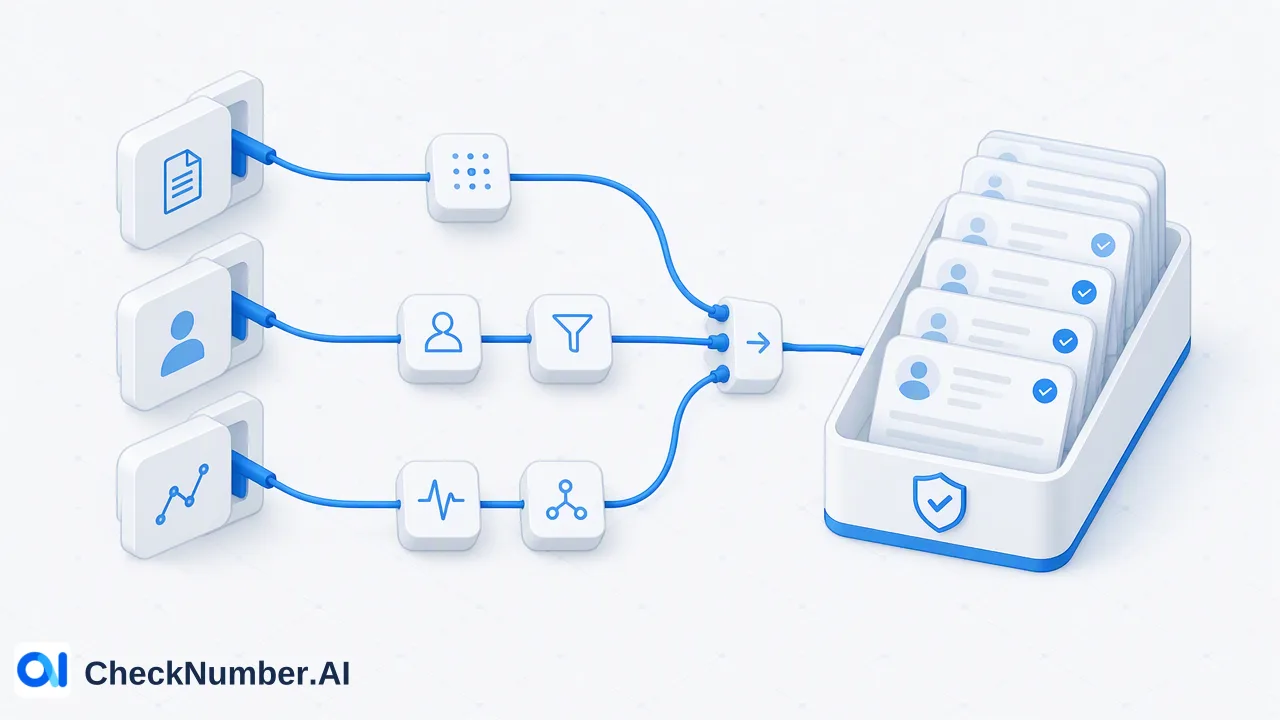
Maintaining a high-performing messaging pipeline begins with data hygiene. Contact databases naturally decay over time as individuals change phone numbers, switch providers, or abandon apps. In international messaging operations, an unmanaged list leads to message delivery failures, wasted communication budgets, and skewed reporting metrics. A systematic approach to data preparation requires organizations to address raw record formatting prior to any technical screening. Phone numbers collected across diverse acquisition channels frequently contain inconsistencies such as localized trunk codes, missing international dialing prefixes, or extraneous punctuation. Standardizing all phone numbers into standardized international formats serves as an essential prerequisite. Clear formatting ensures that automated verification services interpret country codes and local numbering plans correctly, establishing a reliable baseline for subsequent data enrichment.
Beyond Basic Validation: Platform-Specific Signals
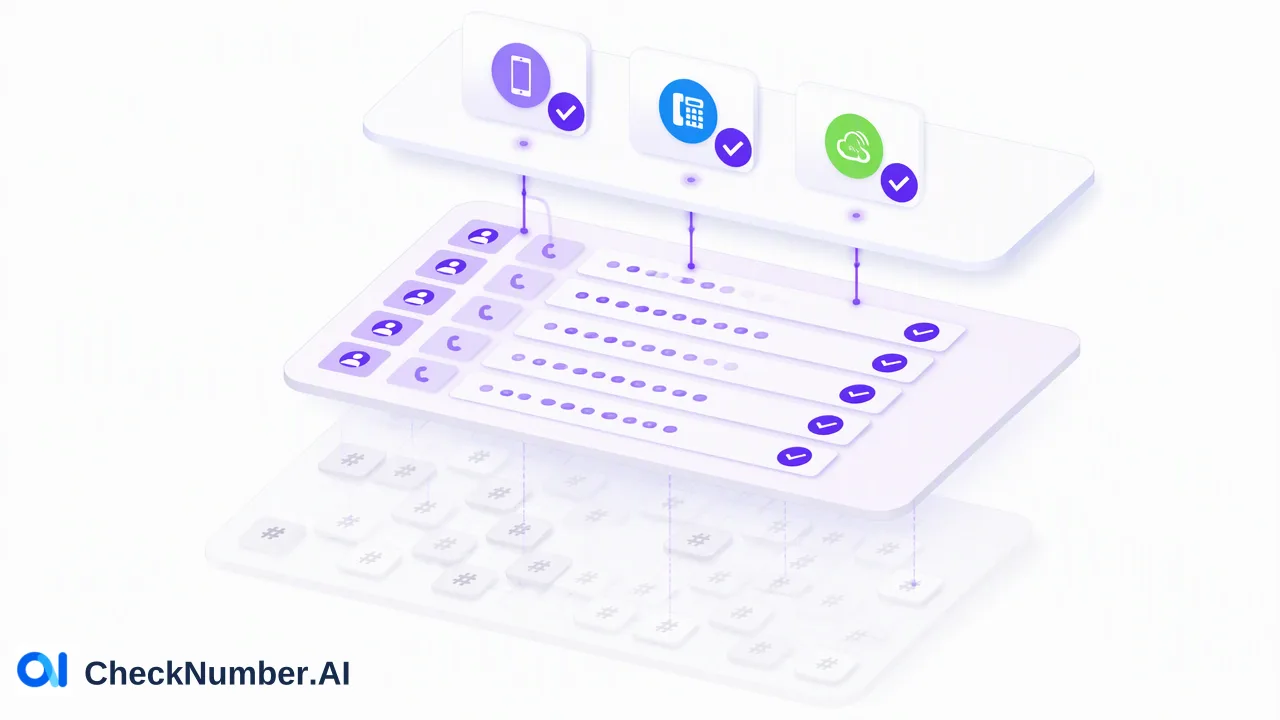
Many teams mistakenly assume that basic phone validation is sufficient to qualify a recipient list for Viber campaigns. Generic phone validation primarily verifies whether a string conforms to general syntax rules or carrier number allocations. It cannot confirm whether a user has actually installed the app and registered an account. To bridge this gap, organizations incorporate platform-specific registration checks. A platform registration signal acts as a point-in-time check that confirms whether a specific phone number is registered with Viber. This reachability indicator helps teams distinguish between functional messaging endpoints and inactive numbers before sending outreach campaigns. Furthermore, platform-aware screening helps organizations avoid common operational pitfalls, such as attempting mobile messaging outreach to fixed-line or landline numbers. Because conventional landline infrastructure cannot support Viber applications, identifying and filtering these records in advance protects routing infrastructure and minimizes wasted spend.
Segmentation Strategies for High-Value Outreach
Once unformatted and unregistered numbers have been filtered from the list, teams can transition from simple filtering to value-based segmentation. Reaching out to an entire registered contact base with uniform messaging rarely delivers optimal results. Deeper intelligence signals allow organizations to prioritize contacts based on observable usage markers. | Segmentation Dimension | Available Signal | Workflow Application | | :--- | :--- | :--- | | Account Presence | Viber Checker registration signal | Isolates valid accounts from unregistered contacts | | Recency & Activity | Last-seen context & activity status | Prioritizes active users for immediate campaign sequences | | Demographic Enrichment | Profile context (e.g., avatar, demographic tags) | Aligns conversational style and content relevance | Incorporating activity intelligence, such as last-seen indicators provided by the Viber Days Checker, allows teams to distinguish between dormant accounts and users who access the platform regularly. In addition, profile and demographic enrichment capabilities—such as those available in the Viber Avatar, Age, Gender & Others Checker—provide supplemental context that helps marketing and sales teams refine outreach lists based on documented profile attributes.
Maintaining Long-Term Data Quality
List hygiene is not a one-time project; it requires continuous operational maintenance. Account statuses fluctuate as users uninstall messaging applications, rotate SIM cards, or modify privacy configurations. Implementing a recurring screening cadence ensures that internal CRM records remain aligned with actual platform status. Bulk data workflows support this ongoing maintenance effectively. Using CheckNumber.AI, teams can upload bulk lists via CSV or TXT formats, or connect directly through a REST API to integrate registration and activity checks into existing data pipelines.
FAQ
Why is it important to check Viber registration status separately from generic phone validation?
Generic phone validation assesses whether a number matches telecommunication numbering plans or line types, but it does not indicate whether the holder has an active account on Viber. Platform registration checks evaluate platform-specific presence at the exact time of the query. Relying solely on generic validation leaves teams susceptible to dispatching messages to numbers that do not exist within the Viber ecosystem.
How can activity signals improve the ROI of a Viber outreach campaign?
Activity signals, such as last-seen timestamps and account activity context, provide visibility into recent engagement patterns. By categorizing contacts according to recent activity, teams can concentrate outreach efforts and marketing spend on audiences with confirmed recent presence, helping prioritize follow-up workflows without assuming guaranteed replies.
What is the role of format standardization in list hygiene?
Format standardization normalizes phone numbers into consistent international structures, including country and area codes, before running verification checks. Standardizing inputs ensures downstream query tools and messaging gateways evaluate records accurately, preventing false negatives caused by missing prefixes, trunk zeros, or localized dialing conventions.