CheckNumber.AI
 · 5 min read
Beyond Registration: How to Segment Telegram Contact Lists by Account Age
Learn how to move beyond basic Telegram registration checks by using account age, activity signals, and profile enrichment to prioritize established contacts.

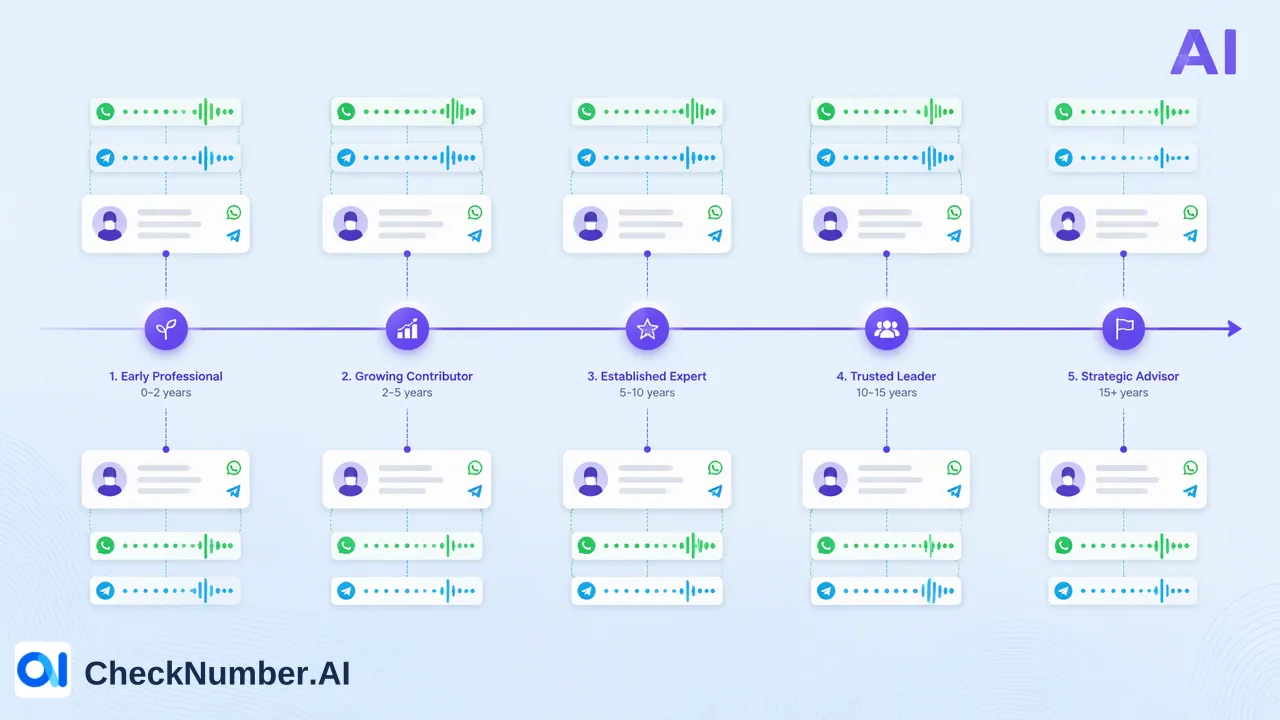
Telegram account age segmentation is the practice of evaluating contact records based on account presence, activity history, and usage duration rather than simple registration status alone. While a standard platform registration signal confirms that a phone number is associated with a Telegram account at check time, it does not distinguish between long-standing profiles and disposable or newly generated accounts. By incorporating activity signals, last-seen indicators, and profile enrichment, organizations can segment their lists into distinct operational tiers, helping teams prioritize established contacts and maintain structured data hygiene across their outreach systems.
The Limitations of Registration-Only Checks
Many contact verification workflows begin and end with basic presence detection. When evaluating lists for messaging or CRM synchronization, teams often run phone numbers through standard checkers to identify registered accounts. While this platform registration signal confirms that a number exists on the service at check time, it offers zero visibility into the quality or history of the profile. Telegram registration is dynamic: phone numbers are regularly recycled, and automated or temporary accounts can be created within minutes. Treating every registered number as an equal contact creates several operational hurdles:
- Inability to spot disposable accounts: Newly registered accounts may be burner profiles or short-term numbers that are abandoned shortly after creation. - Lack of engagement context: A registration check does not reveal whether an account was accessed recently or has remained dormant for years. Because registration status is strictly a point-in-time reachability signal, relying on it exclusively provides limited insight. To organize contact lists effectively, teams require secondary criteria such as account age, last-seen indicators, and profile attributes.
Leveraging Activity and Age Signals for Segmentation
Moving beyond baseline presence requires adding signals that reflect usage continuity. High-level capabilities such as activity signals, demographic enrichment, and membership context provide the data points needed to build nuanced contact tiers. Specialized evaluation tools return structured dimensions that support categorization:
| Signal Type | Focus Area | Operational Value |
|---|---|---|
| Platform Registration | Account presence at check time | Confirms the phone number is active on Telegram. |
| Activity Signal | Last-seen timing and presence | Informs teams whether the account has recent or ongoing interaction. |
| Account Identifier | Stable account markers | Supports deduplication across changing profile handles. |
| Profile Enrichment | Available public metadata | Supplies context such as demographic attributes or avatar presence. |
| Membership Signal | Premium membership indicators | Highlights dedicated accounts utilizing paid platform features. |
| Through tools like the Telegram Days Checker and the Telegram Age & Gender Checker, organizations can inspect accounts for presence, usage duration, and available enrichment context. For example, accounts demonstrating established activity and premium membership signals can be prioritized over records that show zero historical activity or that exhibit patterns typical of freshly generated accounts. |
Operational Workflow for List Refinement
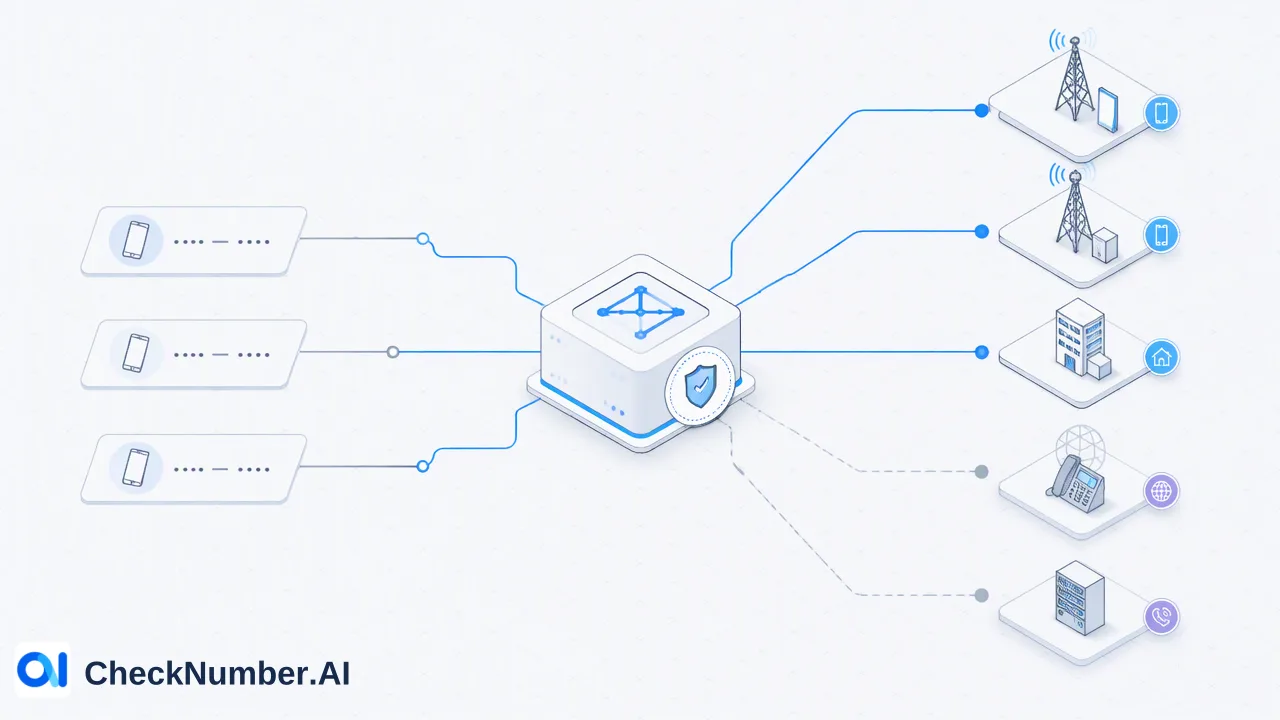
Systematic list refinement requires a disciplined operational process. Applying age and activity checks to poorly formatted contact lists wastes resources and produces inconsistent results. Teams should structure their review through a four-phase workflow:
- Pre-Screening Hygiene and Deduplication Before submitting lists to platform checkers, teams must sanitize the database. This includes stripping invalid characters, normalizing phone numbers into standardized regional formats, and removing redundant entries to prevent duplicate evaluations. 2. Bulk Submission via File or API Data can be processed using bulk workflows that handle large contact volumes. Teams managing scheduled migrations or manual database cleanups can utilize bulk CSV or TXT list uploads. For dynamic applications, such as lead intake forms or live user onboarding, integrating a REST API allows continuous screening. 3. Multi-Signal Screening The list is processed to determine initial Telegram registration. For registered numbers, supplementary checkers evaluate activity duration, last-seen indicators, and available demographic or membership context. 4. Data Tagging and CRM Routing Once checking completes, attributes are written back to the internal database, assigning each contact an age or activity tier that governs subsequent outreach routing.
Best Practices for Segmented Outreach
Once contacts are enriched with age and activity signals, teams can design tailored operational workflows that reflect account maturity rather than treating the entire database uniformly. ### Prioritizing Established Profiles Accounts with longer usage histories, active presence, or verified membership attributes represent sustained platform participation. In customer management or community management workflows, routing these profiles to primary communication queues or dedicated relationship managers helps ensure high-value accounts receive focused attention. ### Handling Newly Registered or Inactive Accounts Contacts that have been created very recently or that exhibit no recent activity should not be treated identically to mature accounts. Organizations can route these records into low-priority queues, apply additional verification steps, or run periodic re-checks to see if consistent activity develops over time. This approach mitigates operational waste caused by messaging disposable accounts. ### Combining Contextual Signals Account age should not be evaluated in isolation. Cross-referencing activity signals with profile enrichment, such as demographic indicators or username stability, creates a multi-layered view of each contact. When teams combine registration confirmation with duration indicators and profile metadata, internal systems can make more informed routing and prioritization decisions.
FAQ
Why is registration status insufficient for high-quality outreach?
A platform registration signal serves as a point-in-time check that confirms whether an identifier exists on Telegram. Relying solely on registration checks leaves lists susceptible to inactive or short-lived disposable accounts that dilute outreach efforts.
How do activity signals differ from registration checks?
A registration check returns a binary signal confirming account presence at the moment of evaluation. In contrast, activity signals provide operational context, such as last-seen status, presence indicators, and available membership attributes, giving teams relevant data points to assess account continuity.
Can account age data help identify potentially disposable accounts?
Account age and usage duration data provide context that helps teams flag accounts created very recently or lacking historical presence.
What is the recommended workflow for cleaning contact lists before segmentation?
Organizations should first establish basic data hygiene by removing duplicate records and standardizing phone number formats. Once formatted, lists can be evaluated through bulk checking workflows using CSV or TXT file uploads or integrated REST API endpoints to gather registration, activity, and profile signals.