CheckNumber.AI
 · 5 min read
How to Use Platform Registration Signals to Refine Your Messaging Outreach
Learn how platform registration signal validation helps teams segment contact lists by combining channel reachability with internal business interaction data.
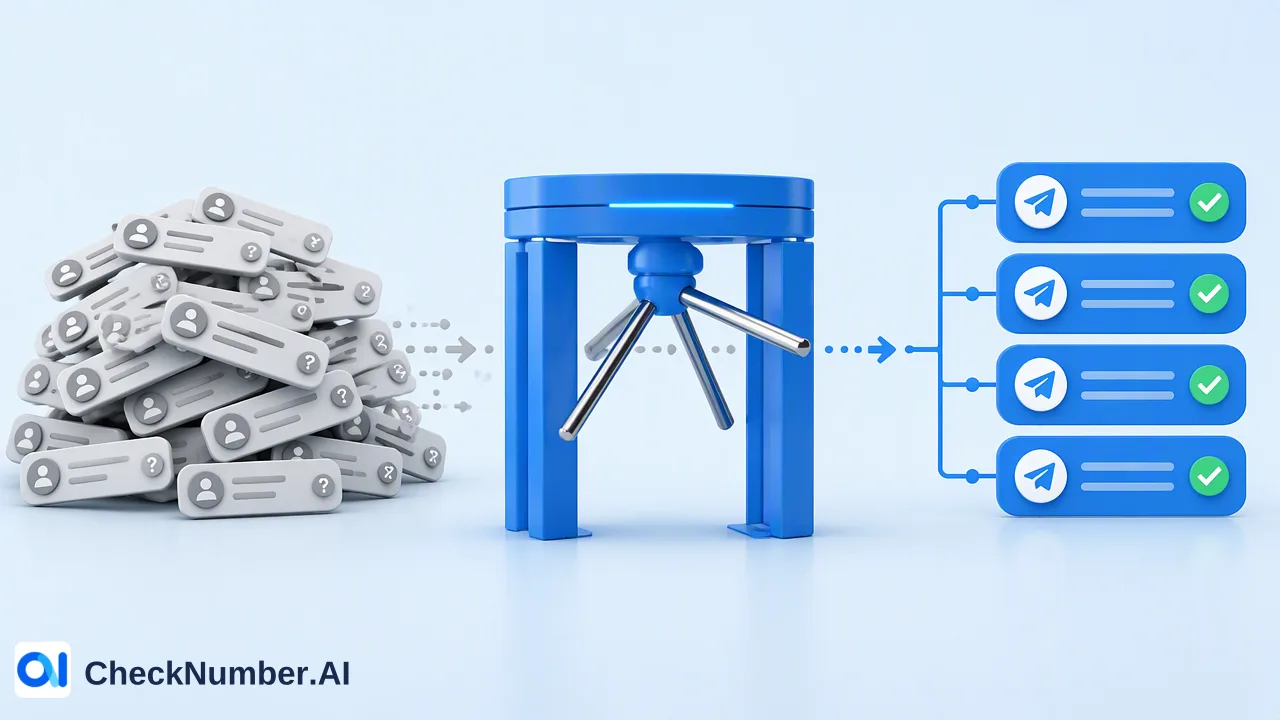
Platform registration signal validation identifies whether a phone number is registered on a specific messaging network—such as iMessage, RCS, or Telegram—at the exact time of the query. While these signals confirm channel presence, they serve best as technical reachability filters rather than standalone engagement metrics. By combining platform registration data with first-party interaction records, organizations can route communications to supported channels, avoid dead-end routing, and focus resources on responsive contacts without mistaking mere account presence for audience intent.
The Role of Platform Registration in Modern Outreach
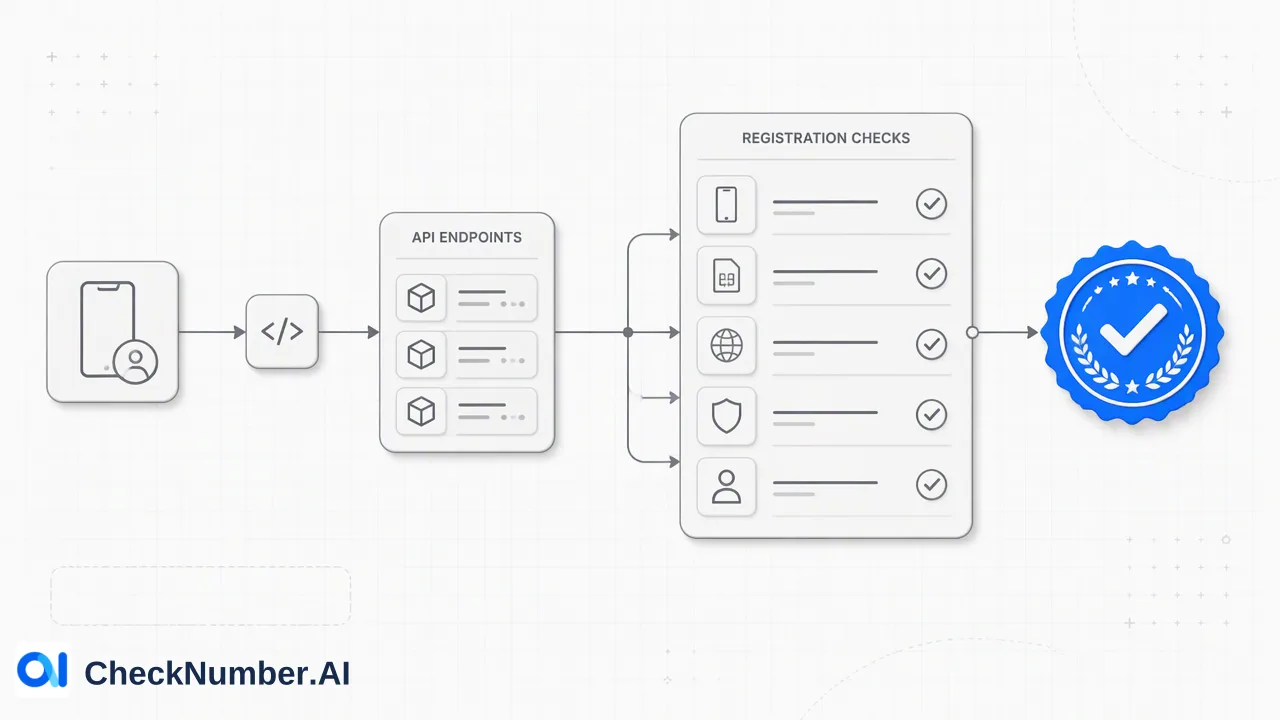
Modern communication programs frequently rely on multi-channel messaging stacks spanning SMS, rich messaging services, and specialized networks. However, attempting to dispatch messages across platforms without validating account presence introduces routing inefficiencies and increased failure rates. Platform registration signal validation provides an automated mechanism to identify whether an identifier is registered on a target service at the moment of inspection. CheckNumber.AI provides bulk checking workflows across several platform-specific signals. For instance, the RCS Checker identifies phone numbers that support RCS or Google Messages for rich-messaging audience planning. Similarly, the iMessage Checker identifies iMessage-registered numbers in bulk, supporting iOS and Apple ecosystem audience segmentation and campaign planning. Signals are also available for networks like Telegram, where account presence can be confirmed prior to initiating customer service or notification sequences. These checks yield point-in-time indicators of reachability. They help organizations understand which messaging protocols a recipient’s phone number can technically receive, establishing a baseline of channel viability before messages enter the dispatch queue.
Distinguishing Registration from Active Engagement
A frequent operational mistake in list management is treating platform registration as an indicator of interest, activity, or identity. Registering an account on a platform indicates network presence, but it does not reveal whether the account owner actively checks the app, has disabled notifications, or intends to read incoming communications. Account presence must be distinguished from recency and engagement:
- Presence Signals: Standard registration checks, such as Telegram Checker or RCS Checker, confirm that an account exists on that platform at check time. * Activity Signals: Specialized capabilities, such as Telegram Days Checker, provide available account presence along with available activity, last-seen context, or Premium-membership indicators. Those attributes require separate legal and compliance procedures. Maintaining this distinction ensures marketing and support operations do not misinterpret reachability as purchase intent or user responsiveness.
Standardizing Data for Reliable Checks
Accurate platform verification requires rigorous data hygiene upstream. A common point of failure in bulk contact operations involves feeding inconsistent, unformatted, or incomplete phone numbers into checking engines. Syntax and formatting checks represent the foundation of contact list hygiene, distinct from platform-registration signals:
- Format Normalization: Standardizing country calling codes, area prefixes, and local digits removes whitespace, special characters, and local trunk prefixes. Standardizing format guarantees that phone numbers conform to standard numbering structures. 2. Platform Validation: Once numbers are normalized, bulk verification tools evaluate them against platform registries to confirm channel reachability. CheckNumber.AI accommodates bulk workflows through CSV and TXT list uploads as well as programmatic REST API endpoints. Preparing standardized lists before submitting files ensures high throughput, minimizes syntax-related errors, and provides clean input for downstream routing systems.
Building a Multi-Layered Segmentation Strategy
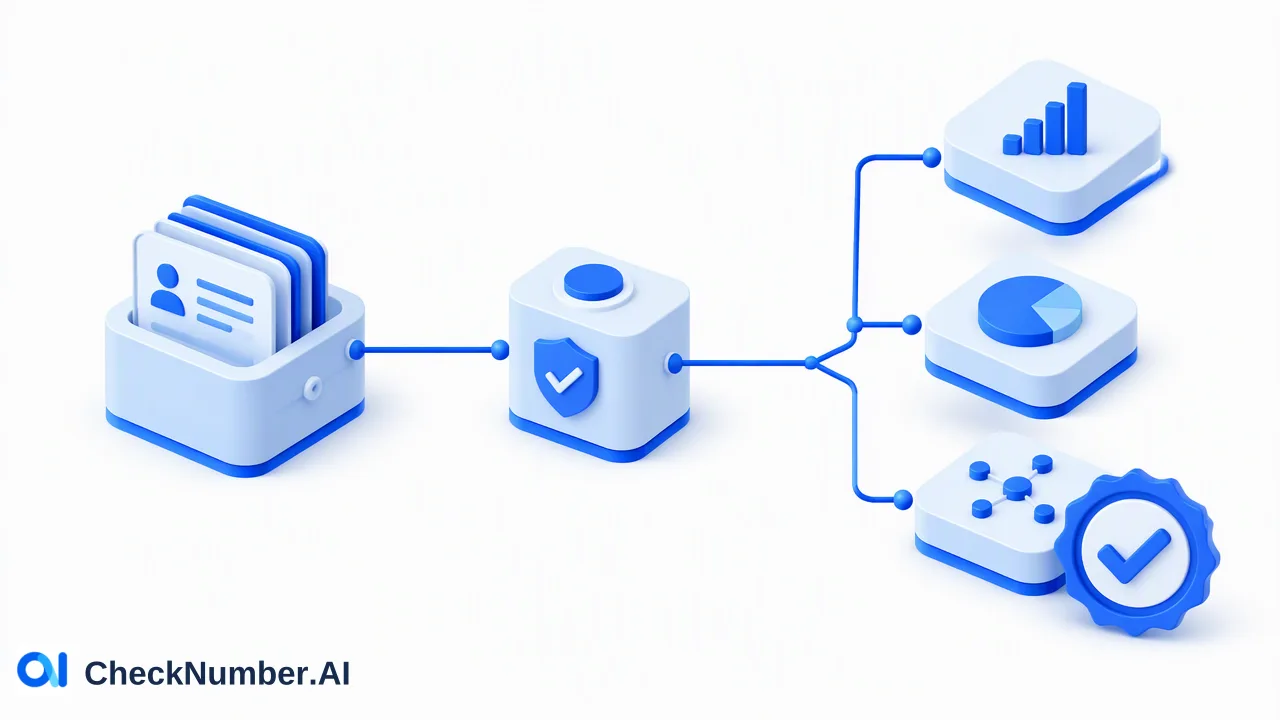
To maximize outreach effectiveness, platform registration status should serve as a secondary operational filter rather than a primary qualifying attribute. Business-specific interaction data—such as transactional history, support tickets, and recent opt-ins—must define the priority of a contact, while platform signals determine the transmission method. Organizations can categorize contact lists across a structured segmentation matrix:
| Contact Segment | Interaction Level | Platform Registration Status | Recommended Action |
|---|---|---|---|
| Priority Tier 1 | High (Recent customer or inquiry) | Registered on primary channel (e.g., iMessage/RCS) | Route primary communications through rich channels for enhanced presentation. |
| Fallback Tier 2 | High (Recent customer or inquiry) | Unregistered on primary channel | Route to alternative fallback channels, such as standard SMS or email. |
| Nurture Tier 3 | Low or Dormant (Historical contact) | Registered on messaging channel | Include in low-frequency, targeted re-engagement campaigns via verified channels. |
| Deprioritized Tier 4 | Low or Dormant (Historical contact) | Unregistered on target channels | Suppress from high-cost messaging workflows to conserve operational budget. |
| This tiered approach prevents teams from expending resources on contacts who have demonstrated no business intent simply because their numbers exist on a messaging network. |
Avoiding Common Outreach Pitfalls
Relying on platform validation without strategic safeguards can lead to wasted budget and degraded sender reputation. Operations teams should monitor several common pitfalls when operationalizing platform data:
- Equating Registration with High Value: Assuming every registered user is a prime sales prospect leads to unsegmented message blasting, elevated spam complaints, and wasted outreach spend. * Treating Signals as Permanent: Platform registrations change over time as users abandon phone numbers, switch devices, or close accounts. Re-verifying contact lists periodically helps maintain routing hygiene. * Ignoring Channel Preferences: While a number may register on a service like Telegram or Apple iMessage, the user may prefer email or phone calls for commercial interactions. Reachability does not replace explicit channel consent. * Overlooking Platform-Specific Scopes: Checker tools provide specific capabilities that cannot be conflated. An iMessage check informs iOS and Apple ecosystem planning, while an RCS check evaluates rich messaging compatibility for Android devices. Applying signals outside their documented scope leads to misdirected routing. By framing platform registration signals as technical reachability indicators within a broader customer relationship framework, teams can maintain efficient, compliant, and cost-effective messaging workflows.
FAQ
What is a platform registration signal?
A platform registration signal is a technical indicator confirming whether a specific phone number or identifier is currently registered with a designated messaging network at the time of the check.
How can teams combine registration data with CRM records?
Teams should treat business-specific interaction history—such as recent purchases, inbound inquiries, or service usage—as the primary qualification criteria. Platform registration checks then serve as a secondary channel-routing filter to determine the appropriate delivery route for qualified contacts.
Why is it important to normalize phone numbers before checking?
Standardizing phone numbers into consistent international structures prior to verification prevents formatting errors and avoids false negatives. Clean formatting ensures the verification service evaluates an accurate, unambiguous national and international telephone identifier.