CheckNumber.AI
 · 5 min read
Beyond the Busy Signal: A Guide to Interpreting Phone Number Status Signals
Learn how phone number status detection differentiates temporary unavailability from permanent inactivity to support outreach workflows and maintain contact hygiene.
Effective phone number status detection requires distinguishing between temporary unavailability, such as a device being powered off or temporarily outside coverage, and permanent conditions, such as disconnected lines or unallocated numbers. By standardizing number formatting, evaluating carrier line types, and checking platform-specific registration signals at check time, organizations can systematically identify unreachable records, protect sender reputation, and improve overall contact data quality.
The Operational Impact of Unreachable Contact Lists
Maintaining large customer or prospect lists inevitably introduces data decay. Over time, individuals change mobile carriers, abandon old lines, or switch business phone services. When communication workflows attempt to deliver messages to numbers that no longer exist, the repercussions extend beyond a simple undelivered message. Repeatedly attempting to contact invalid or inactive numbers expends telephony resources and marketing spend. More critically, high delivery failure rates signal poor list maintenance to telecommunications providers and gateway operators. This can degrade sender reputation, triggering automated filtering, lower delivery priority, or outright throttling for future outbound campaigns. Accurate status detection serves as an essential gatekeeping layer, helping organizations audit contact viability before launching automated communications.
Temporary Unavailability vs. Permanent Inactivity
A primary challenge in contact list maintenance is interpreting telephony signals correctly. Numbers generally fail connectivity checks for two distinct reasons: temporary network conditions or permanent status changes. Temporary unavailability occurs when a mobile device is powered off, operating in an area without network reception, experiencing roaming transit delays, or facing transient network congestion. In these cases, the subscriber account remains active with the carrier, and the line will become reachable once the device reconnects. Permanent inactivity refers to numbers that have been disconnected, churned out of service, or assigned invalid prefixes that were never allocated by a national telecommunications authority. Distinguishing between these states prevents organizations from making two common operational mistakes: purging recoverable contacts due to transient network drops, or continually retrying invalid numbers that will never resolve successfully.
Standardization and Carrier Line-Type Intelligence
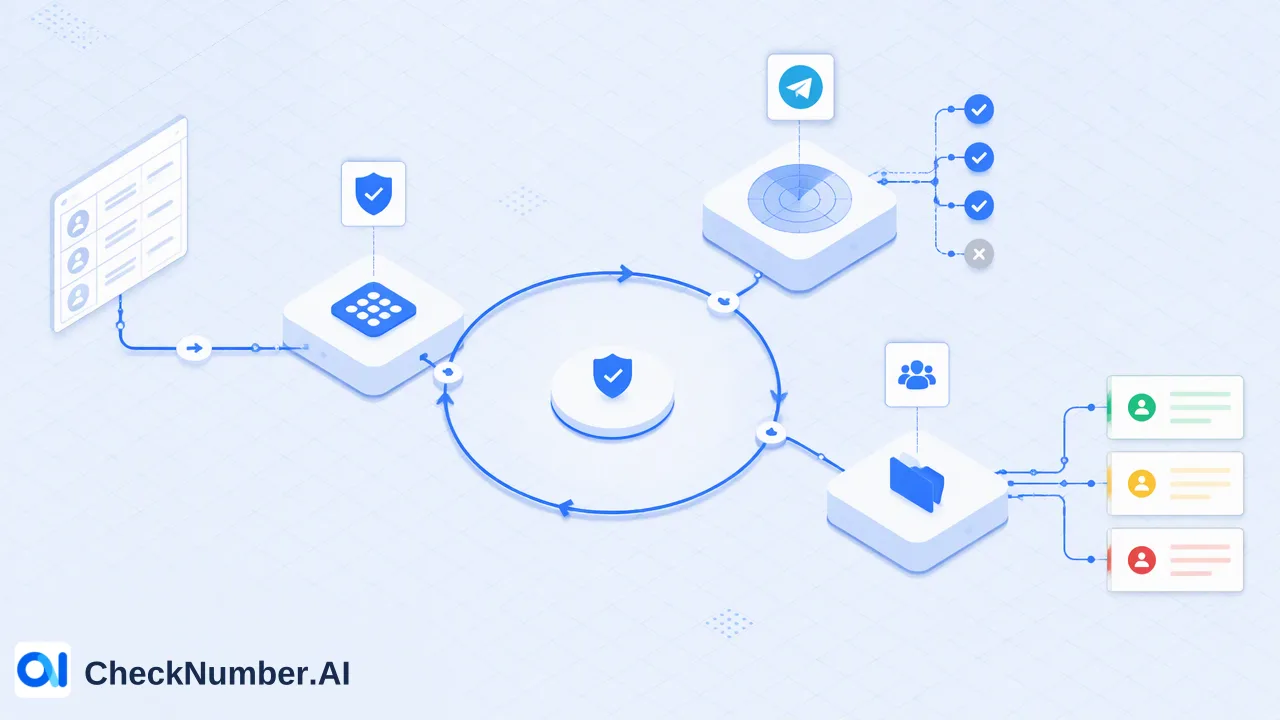
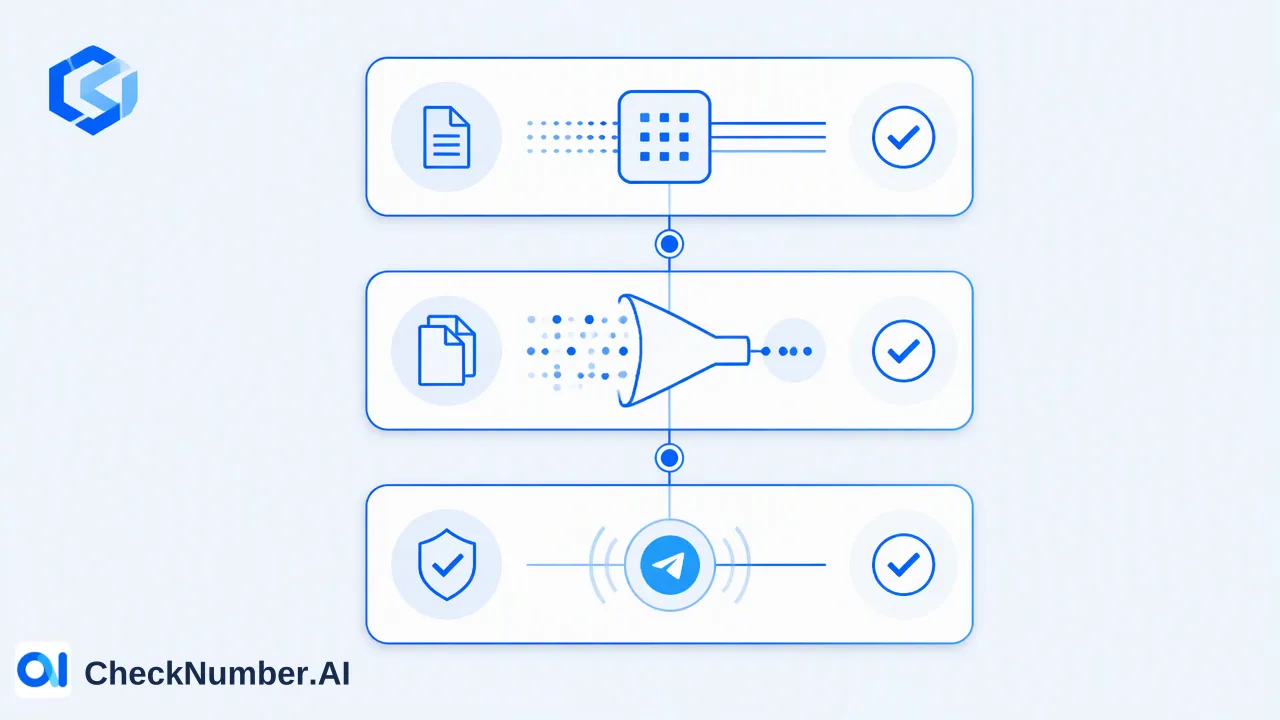
Accurate status detection begins with foundational data hygiene. Before submitting phone numbers to advanced status or registration checks, numbers must undergo format standardization. Removing invalid characters, verifying appropriate digit lengths, and resolving country and area codes into consistent international standards ensures that subsequent network queries resolve correctly. Beyond format normalization, carrier intelligence provides critical context regarding why a number may be unreachable on specific channels. Identifying the underlying line type—such as Mobile, Landline, or VoIP—informs routing decisions:
- Mobile lines: Capable of receiving standard cellular calls and SMS, and eligible for cellular messaging platform lookups. * Landline numbers: Suitable for voice calls, but typically incapable of receiving standard SMS or registering on mobile-only platforms. * VoIP numbers: Virtual lines that may have variable delivery rules depending on the virtual provider and carrier configuration. Evaluating line types allows organizations to avoid sending mobile-specific payloads to fixed landlines, eliminating avoidable delivery failures before status verification begins.
Interpreting Platform Registration Signals
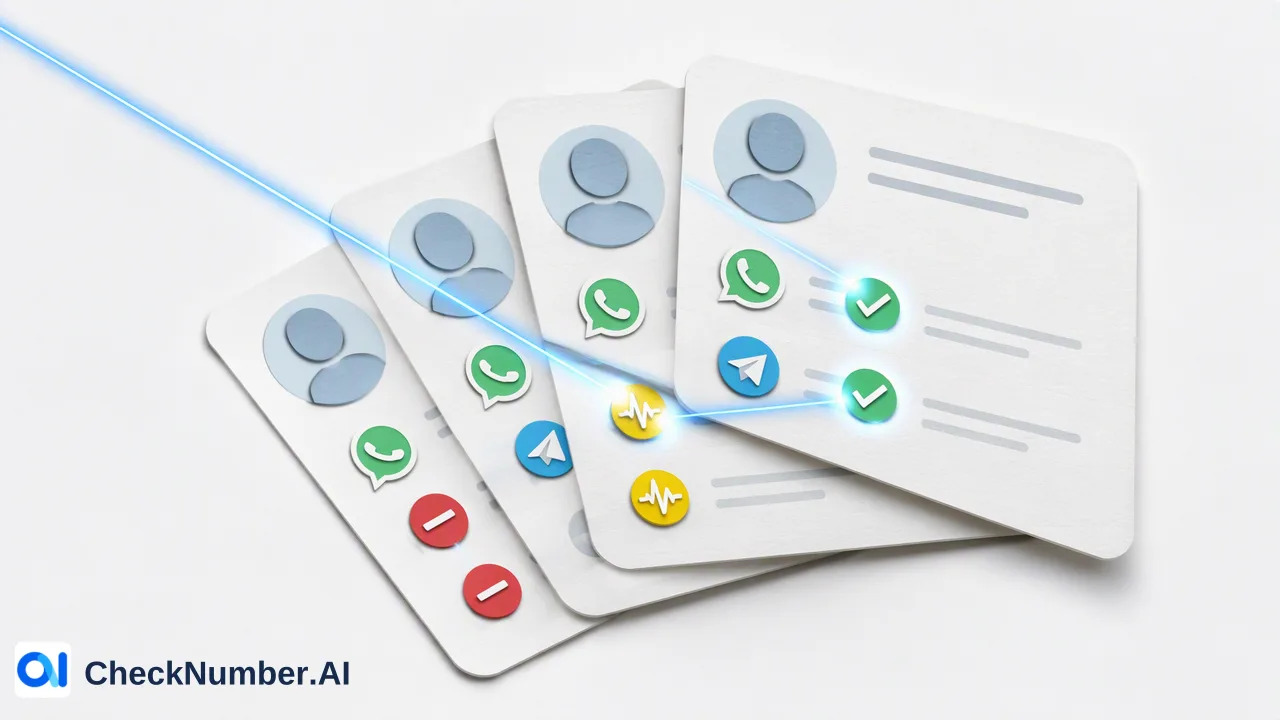
For modern multichannel communication strategies, reachability extends beyond traditional carrier networks into specialized platforms. Services such as CheckNumber.AI provide bulk checking capabilities for phone lists, allowing organizations to evaluate specific messaging channels including WhatsApp, Telegram, and Signal. A platform registration signal confirms whether a phone number is registered with a designated service at the exact time of the query. For example, using a WhatsApp Number Checker or Signal Checker provides reachability context specific to those applications. It is important to treat these signals with technical precision:
- A registration signal indicates account presence and channel reachability at check time. When incorporated alongside basic validity checks, these signals help teams determine the appropriate delivery channel for every valid contact.
Best Practices for CRM and Workflow Integration
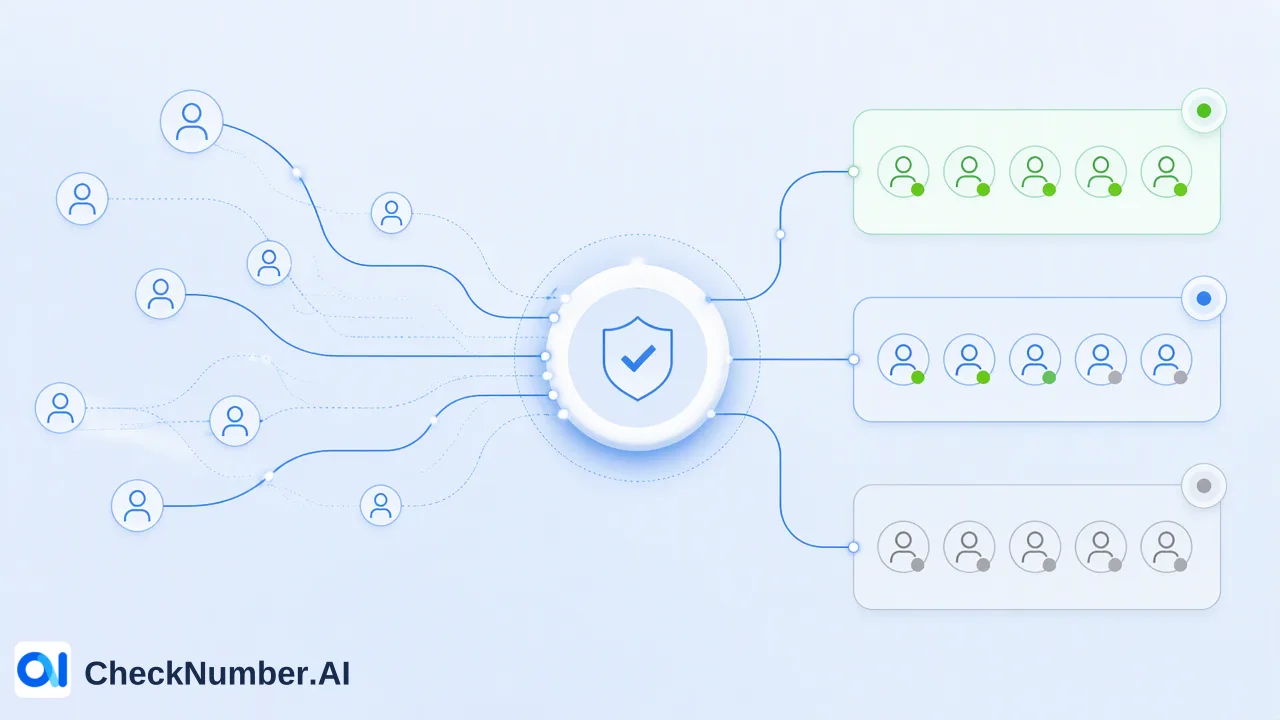
To operationalize status detection signals without disrupting active outreach, organizations should establish structured rules within their CRM or data management platforms. 1. Automate Pre-Campaign Scrubbing: Process list updates in bulk via CSV, TXT, or automated REST API endpoints before deploying major outreach cycles. 2. Establish Tiered Suppression Rules: Categorize status results cleanly. Numbers confirmed as permanently disconnected or invalid should be flagged for suppression or archival. Numbers displaying transient connectivity issues should be routed to secondary retry cadences with incremental backoff periods. 3. Channel-Specific Routing: Route contacts based on platform account presence and line type. If a record is a mobile number registered on WhatsApp, messaging workflows can prioritize that channel, while landline numbers are routed exclusively to voice teams. 4. Periodic Re-Verification: Subscriber statuses change over time. Scheduling regular re-checks for aging records prevents gradual database decay and maintains reliable operational metrics.
FAQ
Why is distinguishing temporary unavailability from permanent inactivity important?
Treating temporary issues like a powered-off device as permanently dead leads to prematurely discarding viable contacts. Conversely, treating permanently disconnected numbers as temporary leads to persistent sending attempts that generate hard bounces, waste budget, and risk damaging sender reputation across messaging gateways and carrier networks.
How do platform registration signals contribute to contact list evaluation?
A platform registration signal indicates whether a phone number is associated with an account on a specific messaging service at the time of the check. It provides channel-specific reachability context that helps teams determine whether a record can receive communications on that specific network, without proving the user’s identity, active engagement, or consent.
Why should phone numbers be standardized before performing status checks?
Raw contact databases frequently contain inconsistent local prefixes, missing country codes, spaces, or extraneous punctuation. Standardizing records into consistent international formats ensures that subsequent validation, carrier intelligence checks, and platform lookups evaluate the exact, intended subscriber number accurately.