CheckNumber.AI
 · 5 min read
Beyond Validity: A Framework for Managing Phone Number Reputation and Deliverability
A practical guide to phone number reputation management, explaining how carrier trust algorithms, authentication frameworks, and platform-specific signals inform messaging deliverability beyond basic format checks.
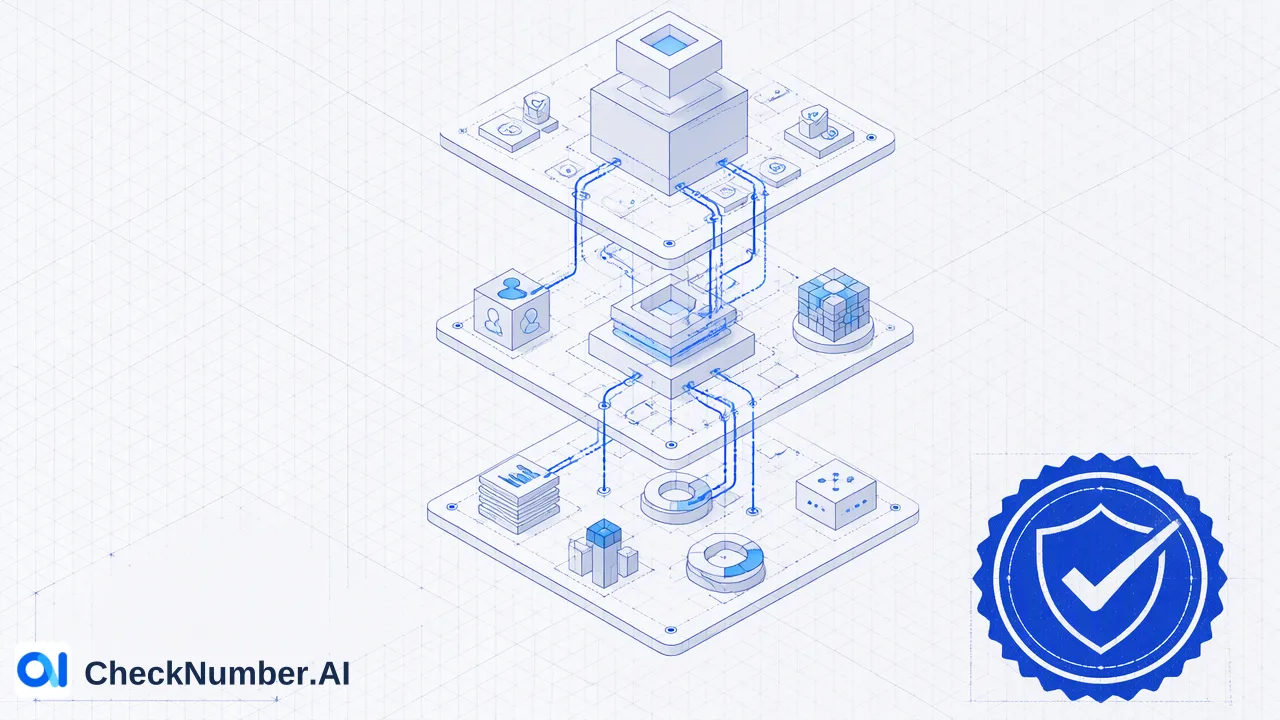
Phone number reputation management is the disciplined practice of monitoring and maintaining the trust signals that telecom carriers, security algorithms, and messaging networks associate with a sending number. While basic technical checks confirm whether a phone number adheres to standard numbering plans or exists on a network, reputation determines how downstream carrier analytics treat traffic originating from that number. Establishing positive sender trust involves authenticating outbound calls and messages, monitoring carrier spam classifications, and using list-hygiene signals to focus outreach on active, reachable destinations rather than stale or flagged records.
The Evolution of Phone Number Deliverability
Modern communications infrastructure operates differently. Telecommunications carriers and messaging platforms deploy automated filtering layers to shield subscribers from unsolicited traffic, nuisance calls, and spam. Under this operational model, technical validity is only a baseline requirement. A phone number can be fully provisioned, properly formatted, and assigned to a live line, yet outbound communications from that line may still face carrier filtering, spam tags, or outright blocking.
Validity vs. Reputation: Understanding the Core Differences
- Format and Normalization Checks: These inspect numerical structure, country codes, and compliance with international numbering standards such as E.164. They confirm syntactic correctness but do not test whether a number is in service. * Technical Validity Checks: Batch-checking tools, including Phone Number Validation from CheckNumber.AI, evaluate whether a number exists on a carrier network, supporting list cleaning before downstream workflows run. * Sender Reputation: Reputation is not a property of the recipient alone; it represents the trust profile of the sending identifier. Carriers evaluate outbound calling patterns, complaint rates, and call durations to assign risk scores. While validity testing confirms whether a destination can theoretically receive a transmission, reputation determines how receiving networks categorize the sender.
Carrier Analytics and Authentication Frameworks
Mobile network operators and third-party analytics vendors run real-time algorithms to detect suspicious calling and texting patterns. These engines assess factors such as sudden volume bursts, high ratios of unanswered attempts, and geographic dispersion of outbound traffic. To establish sender legitimacy, regulatory bodies and carriers rely on cryptographic authentication frameworks such as STIR/SHAKEN. This framework applies digital certificates to telephone calls, enabling terminating service providers to verify that the calling party identity has not been spoofed:
| Attestation Level | Meaning | Impact on Trust |
|---|---|---|
| Full Attestation (A) | The service provider verified the caller identity and their right to use the number. | Strongest trust signal; minimizes spam labeling. |
| Partial Attestation (B) | The service provider verified the call origin but cannot verify authorization for the specific caller ID. | Moderate trust; may undergo closer algorithmic scrutiny. |
| Gateway Attestation (C) | The service provider routed the call from an unverified international or transit gateway. | Lowest trust; higher likelihood of being flagged as potential spam. |
| Implementing proper attestation and monitoring carrier categorization helps organizations maintain caller ID integrity. |
Leveraging Platform-Specific and Activity Signals
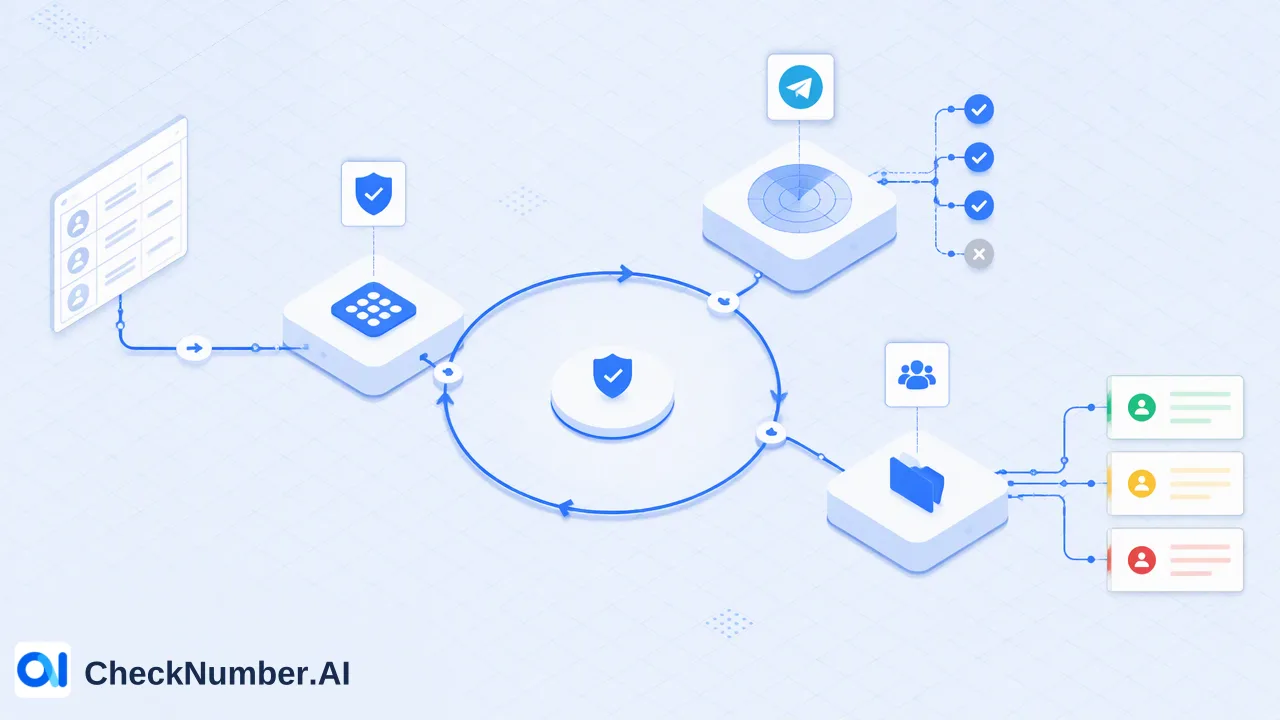
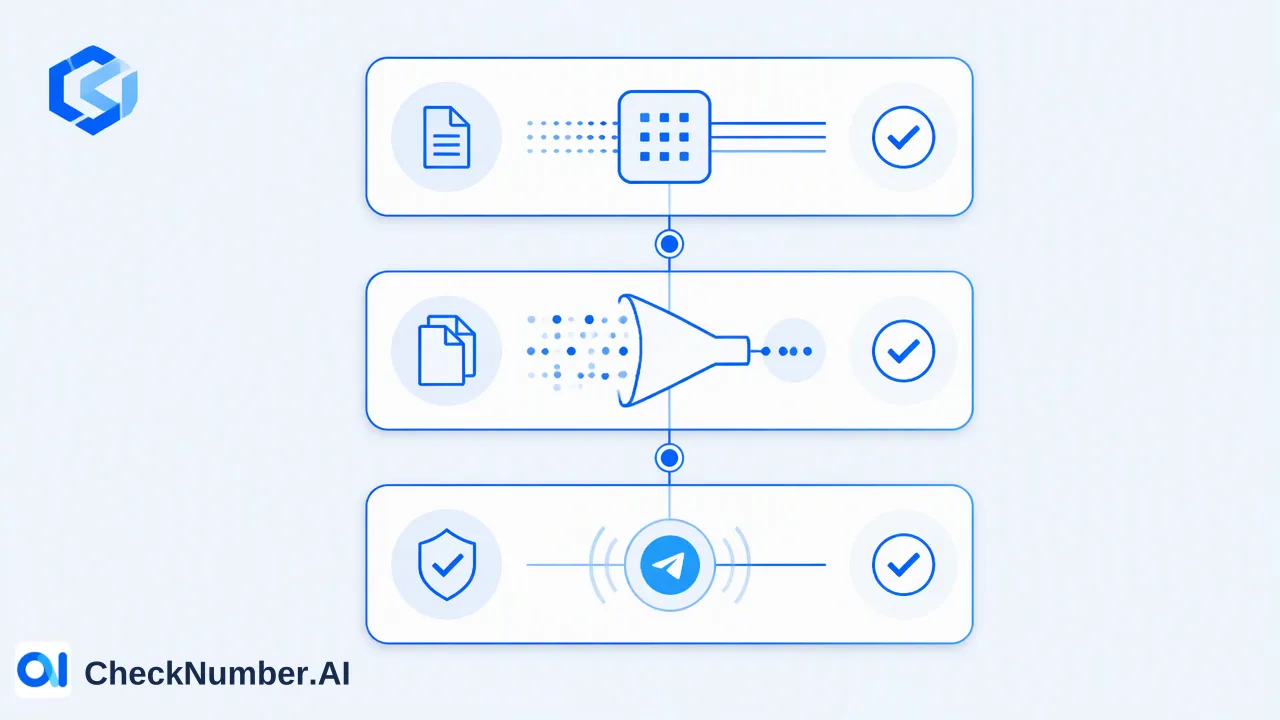
Modern communication strategies frequently extend beyond standard public switched telephone networks into messaging ecosystems such as Telegram. A platform-registration signal informs teams whether a specific identifier maintains an active registration on that service at the time of verification. For instance, the Telegram Checker from CheckNumber.AI verifies platform account presence, while the Telegram Days Checker provides available account-presence, activity, and membership context. Similarly, CheckNumber.AI offers the Number Active Checker to supply phone-number validity and recent-activity signals for list prioritization.
Best Practices for Phone Number Reputation Management
Maintaining sender reputation requires structured operational habits across data management and campaign execution:
- Conduct Regular Bulk List Hygiene: CheckNumber.AI supports bulk checking of phone numbers and email lists via CSV or TXT list uploads and REST API access. 2. Pace Outbound Traffic: Avoid sudden, uncharacteristic surges in call or message velocity. Distributing volume smoothly across time windows helps prevent automated spam-detection algorithms from flagging outbound pools. 3. Monitor Inbound Caller ID Reputation: Regularly check outbound numbers against carrier call-blocking registries and spam-label databases to catch misclassifications early. 4. Prune Stale Contacts with Activity Checks: Utilizing tools like Number Active Checker helps teams prioritize contacts showing recent validity and activity signals, reducing wasted transmission attempts. 5. Segment by Channel Presence: Confirming channel availability through platform-specific checks helps organizations direct resources toward platforms where recipients are genuinely reachable.
FAQ
What is the difference between phone number validation and reputation?
Phone number validation confirms structural formatting and whether a number is assigned on a telecommunications network. Phone number reputation reflects the historical and behavioral trust score assigned to a number by carriers, analytics providers, and platforms based on sending patterns, spam complaints, and attestation levels.
How do carrier analytics engines evaluate outbound sender behavior?
Carrier analytics engines evaluate outbound traffic by reviewing calling frequency, sudden spikes in transmission volume, short-duration call rates, message complaint ratios, and cryptographic authentication protocols such as STIR/SHAKEN to flag potential nuisance traffic.
Why should organizations integrate platform-specific registration signals into list maintenance?
Platform-specific registration checks provide reachability context for dedicated channels at the time of inquiry. Filtering lists by documented platform presence helps teams direct communications toward channels where recipients maintain active accounts, supporting overall campaign efficiency.