CheckNumber.AI
 · 5 min read
Phone Number Data Maintenance Strategy: Converting Raw Lists into Qualified Assets
A strategic framework for maintaining phone number lists, turning raw contact data into qualified assets using platform-specific signals and hygiene cycles.
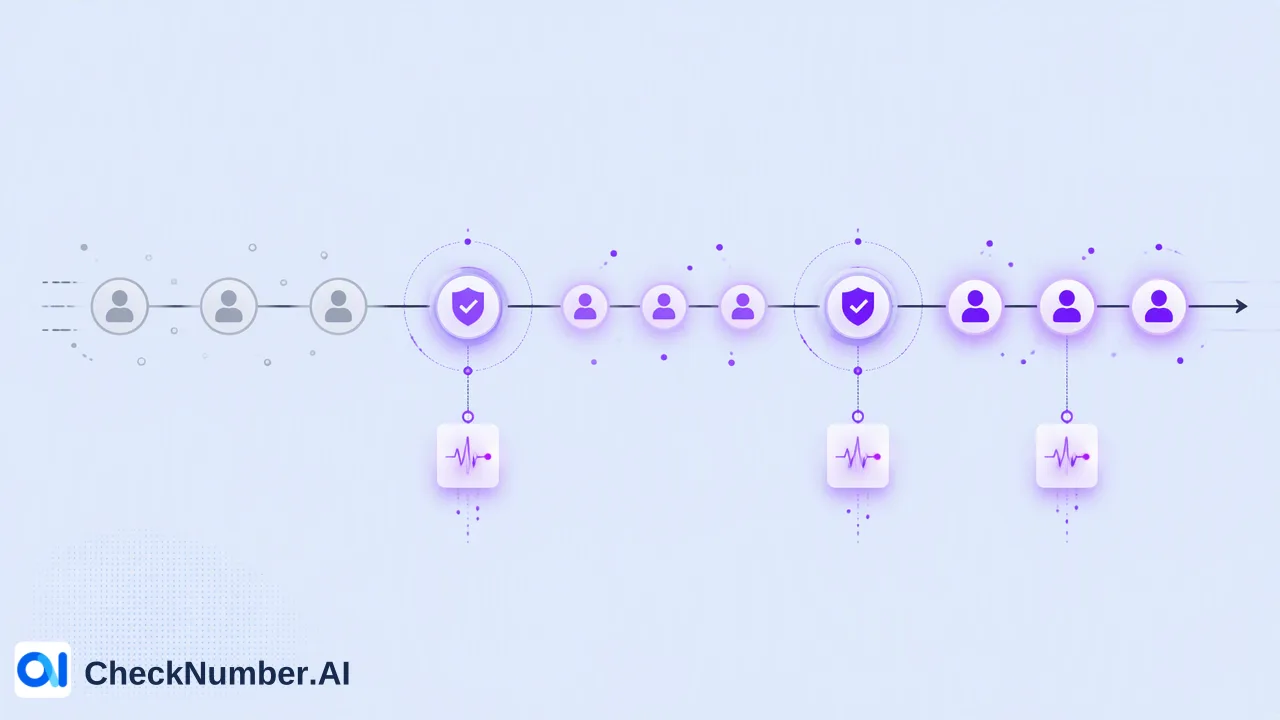
An effective phone number data maintenance strategy requires moving beyond passive storage into a disciplined lifecycle of regular validation, platform verification, and categorization. Accumulating phone numbers without an ongoing system for cleaning and evaluation leads to degraded outreach performance, misallocated resources, and high friction. By evaluating raw contact records against platform-specific registration signals at check time, organizations can separate non-functioning entries from reachable contacts, support workflow prioritization, and maintain their databases as high-value operational assets.
The Hidden Cost of Unmanaged Contact Data
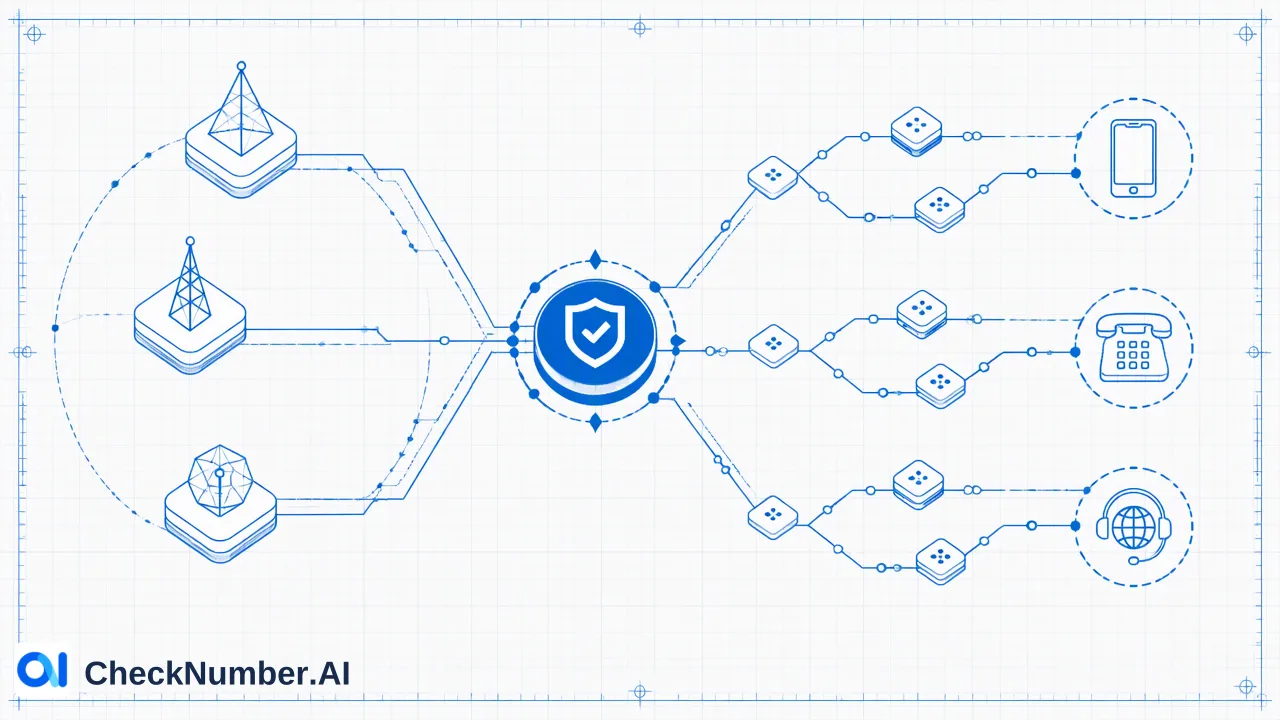
Many organizations treat phone number acquisition as a cumulative exercise, collecting contact records across forms, inbound leads, partner channels, and legacy databases without a continuous hygiene plan. However, unmanaged data decays naturally over time. Telecommunications carriers reassign mobile numbers, subscribers change services, and users abandon old accounts. Accumulating phone numbers without a systematic process for cleaning, validating, and categorizing them directly contributes to degraded outreach performance and wasted operational resources. When outbound initiatives rely on unvetted databases, teams face immediate challenges:
- Distorted metrics: Unreachable or invalid numbers drag down engagement benchmarks, obscuring campaign efficacy. * Operational waste: Sales and marketing teams expend time and budget attempting to reach non-existent or inactive endpoints. * Channel friction: Repeated attempts to contact unverified or misdirected numbers can degrade sender reputation on communication platforms. Simply storing contact data is passive record-keeping. Actively managing it as an operational asset requires establishing automated verification checks and ongoing classification protocols before records are deployed across communication workflows.
Defining the Qualified Asset: Moving Beyond Vanity Metrics
A common operational pitfall is measuring database health purely by total record volume. Total volume serves primarily as a vanity metric if the underlying data lacks context regarding whether a phone number can receive communication on a specific channel. To build an effective phone number data maintenance strategy, organizations must establish a clear distinction between raw data and qualified assets:
- Raw Data: Unverified contact lists that contain phone numbers without verification of their formatting, current status, or platform presence. * Qualified Assets: Phone numbers that have undergone structured format normalization and have been checked for platform-specific registration signals at check time, allowing teams to route and prioritize communication with appropriate context. Transforming raw records into qualified assets requires structured categorization. Data records should be classified across multiple dimensions, including acquisition source, target market or country prefix, and engagement status. Categorizing by market helps teams manage international formatting variations, while categorization by source helps evaluate lead-generation channels. When combined with verification signals, this categorization ensures outreach teams invest effort where contactability is confirmed at check time.
The Role of Platform-Specific Signals in Data Maintenance
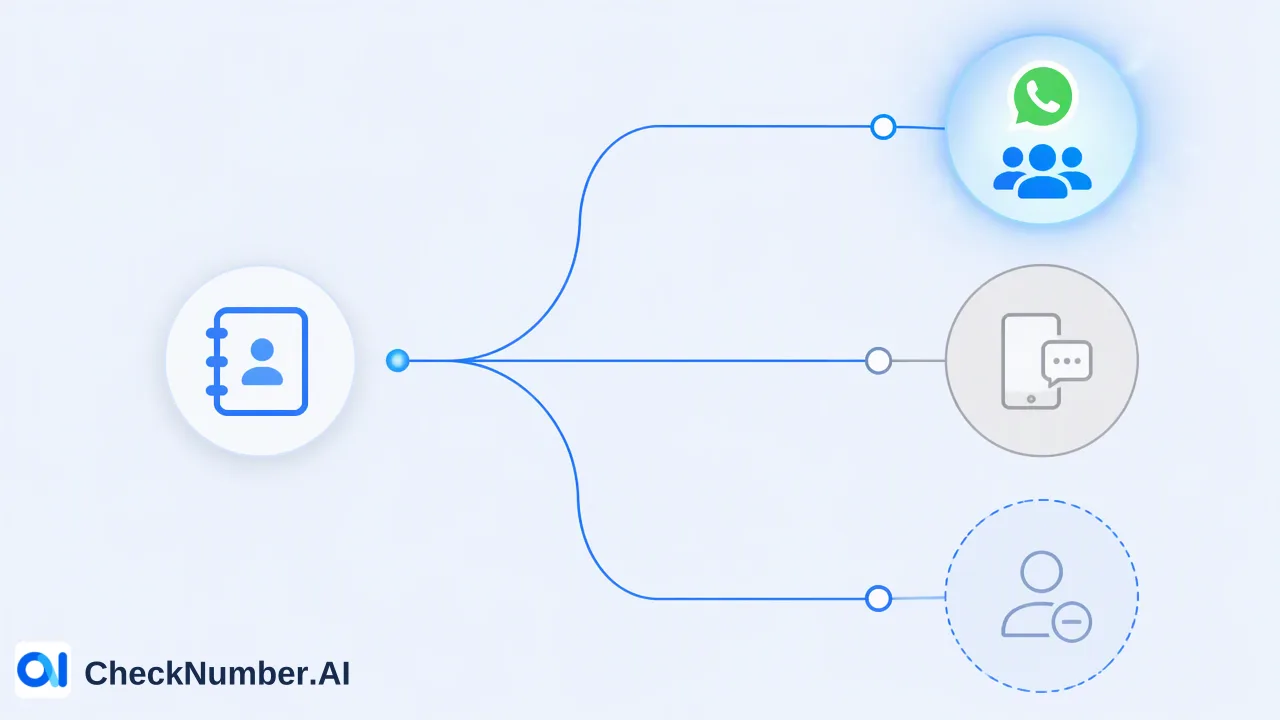
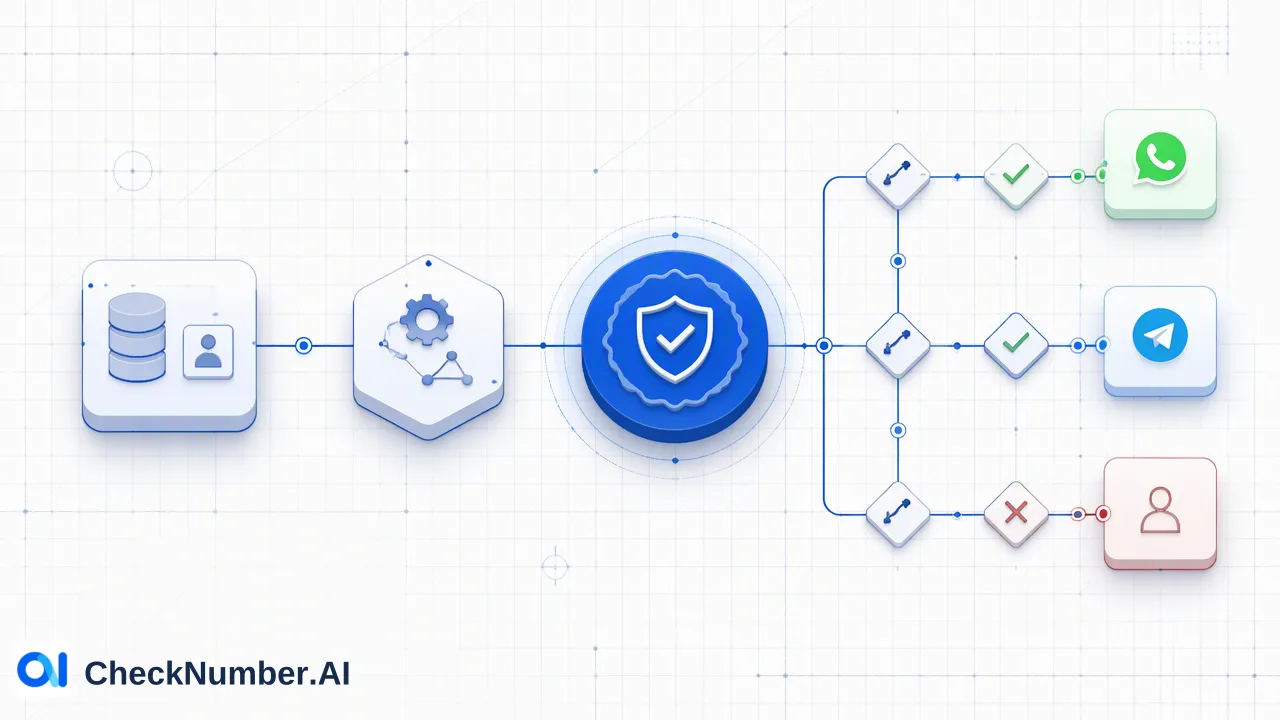
Generic phone verification typically evaluates structural criteria, such as country codes and valid digit lengths. While format normalization is an essential baseline, it does not confirm whether a line is registered on specific modern messaging applications. Services such as CheckNumber.AI support bulk checking of phone-number lists using file uploads in CSV or TXT formats, as well as programmatic REST API access. By validating lists against specific networks, organizations obtain actionable context for review:
| Verification Check | Target Ecosystem | Primary Operational Insight |
|---|---|---|
| WhatsApp Advanced Checker | Verifies platform account registration for uploaded phone lists at check time. | |
| Telegram Checker | Telegram | Checks whether phone numbers are registered with Telegram at check time. |
| Telegram Days Checker | Telegram | Provides account presence alongside available activity or last-seen and membership context. |
| Telegram Age & Gender Checker | Telegram | Evaluates presence and provides available demographic and profile enrichment. |
| High-value Users Checker | Cross-Platform | Flags high-value audience signals across lists to support prioritization. |
| Instead, teams use these signals as decision-support tools to direct communication through platforms where the recipient maintains an account, avoiding dead ends. |
Establishing a Recurring Maintenance Cycle
List hygiene cannot remain an isolated, one-off project. Establishing a recurring maintenance cycle preserves data integrity over time and prevents database decay from quietly accumulating. A structured maintenance strategy incorporates four operational stages:
- Ingestion Standardization: As new phone numbers enter the CRM or database, normalize numbers to international standards and verify format structure immediately. 2. Batch Verification: Periodically process contact batches using bulk list checking via CSV or automated REST API workflows. This identifies stale or disconnected entries before they impact live campaigns. 3. Channel Segmentation: Map confirmed platform-registered numbers to their corresponding communication workflows (such as routing WhatsApp-registered contacts to direct messaging teams). 4. Audit and Archival: Flag contacts that fail registration checks repeatedly or remain unresponsive over prolonged periods. Archive unconfirmed numbers to maintain lean, efficient operational databases. By executing this maintenance cycle on a recurring schedule—such as prior to major seasonal campaigns or on a quarterly rhythm—organizations ensure their outreach infrastructure remains focused on verified, reachable endpoints.
FAQ
Why is volume a vanity metric in contact management?
Raw volume measures database size rather than operational reachability. A large contact list that contains disconnected lines, retired numbers, or invalid entries distorts performance metrics and wastes outreach resources. Outreach efficiency depends on the percentage of verified, reachable contacts ready for relevant channels rather than total unvetted numbers stored.
How often should contact lists be validated?
Contact data degrades continuously as users reassign numbers, switch platforms, or abandon old accounts. Establishing a recurring maintenance cycle—such as quarterly bulk reviews or pre-campaign checks—helps teams identify stale records before executing outreach. Continuous intake hygiene paired with periodic list audits prevents database decay from eroding campaign performance.
What is the difference between format validation and platform registration checks?
Format validation evaluates whether a phone string adheres to standard numbering rules and country prefixes, checking mathematical and structural structure. In contrast, platform registration checks determine whether a specific phone number is actively registered on an ecosystem like WhatsApp or Telegram at check time. Registration signals provide platform-specific reachability context that structural format checks cannot offer alone.