CheckNumber.AI
 · 4 min read
Beyond the Name: How to Use Platform Registration Signals for True Omnichannel Personalization
Learn how platform registration signals help organizations move past superficial name insertion toward data-driven, channel-specific relevance across customer journeys.

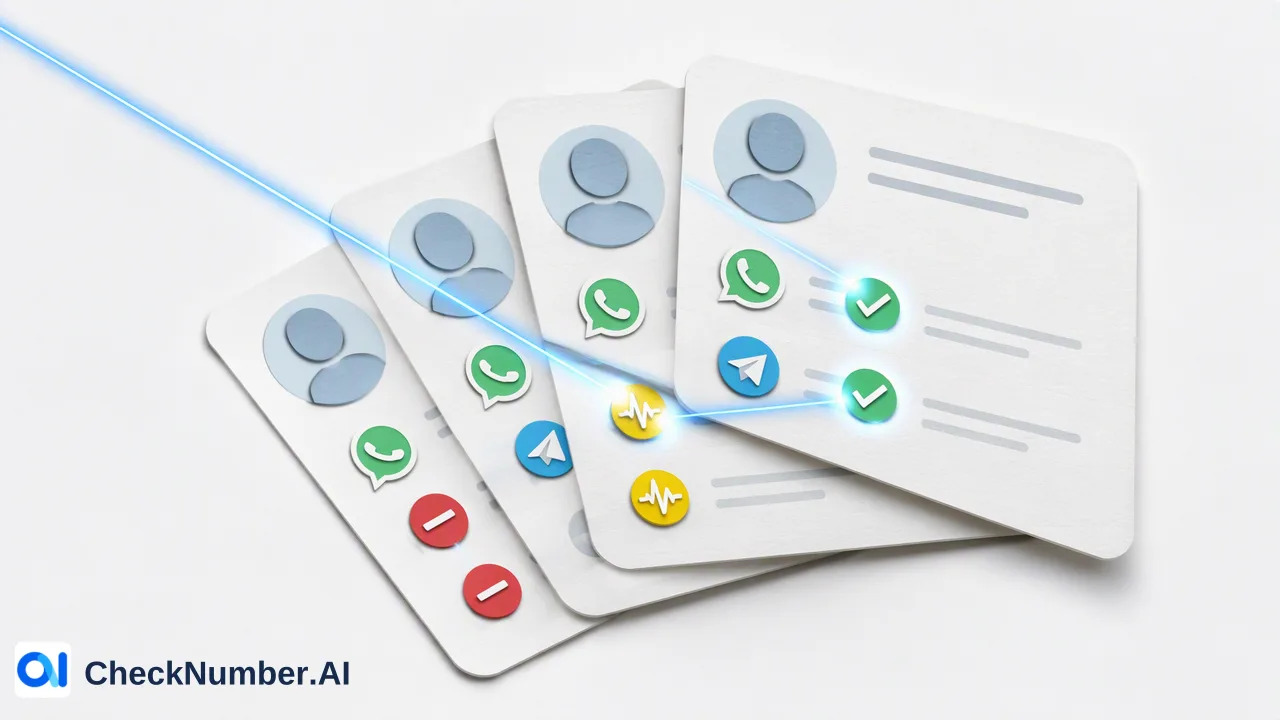
True omnichannel personalization requires moving beyond simple name-based messaging to understand where customer identifiers are actually registered across touchpoints. By incorporating platform registration signals into communication strategies, organizations can identify which platforms—such as messaging apps or email environments—are present for an identifier at check time. This reachability context helps teams route messages appropriately, prevent disjointed interactions, and maintain consistent journeys across channels.
The Limits of Superficial Personalization
Personalization is about relevance, not just inserting a first name into a subject line. While early marketing strategies relied on token substitution, modern omnichannel engagement requires understanding how and where customers interact with an organization. Broadcasting an identical template across multiple disparate channels often leads to fragmented customer experiences. If a user receives a disconnected promotional message via SMS, another via email, and an alert via a chat platform without coordination, the communication feels intrusive rather than helpful. True relevance requires delivering the right message through a channel where the customer actually maintains a presence, grounded in unified data.
Unifying the Customer Journey Through Data
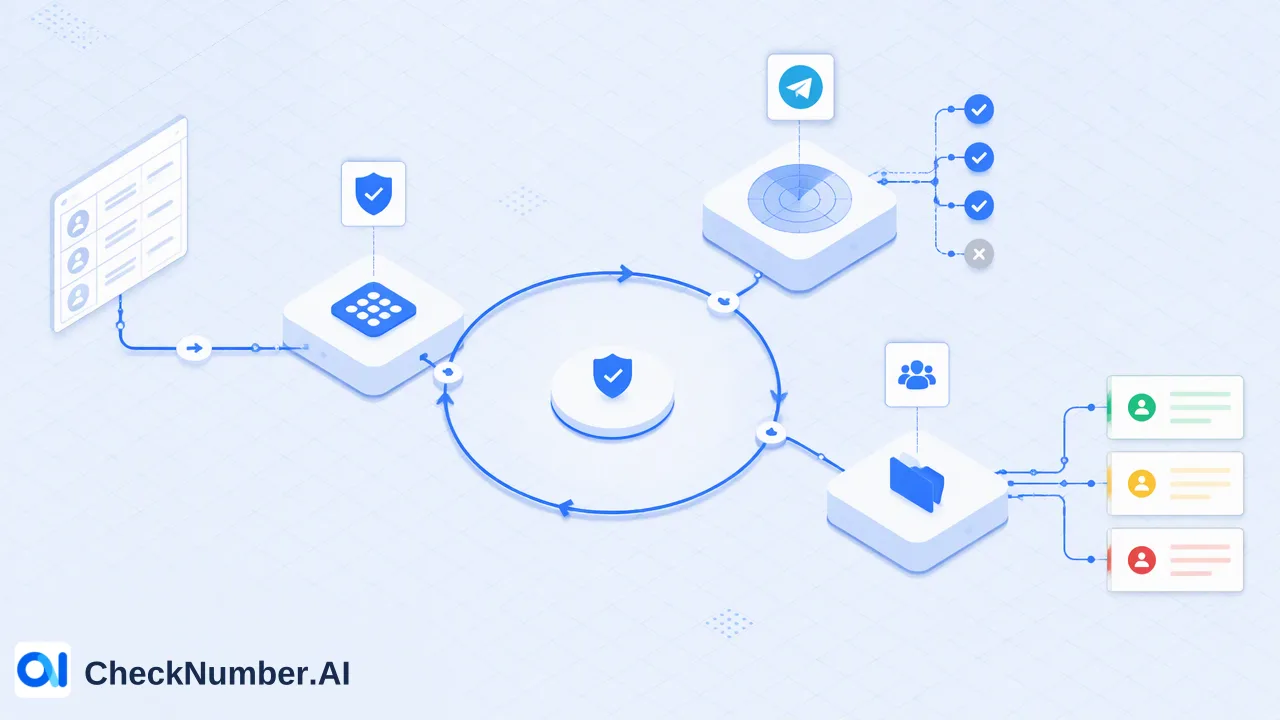
Data silos prevent businesses from understanding the full customer journey. When web analytics, CRM records, support desks, and marketing platforms store contact information independently, organizations lose sight of cross-channel continuity. Omnichannel consistency requires recognizing the same customer across different platforms, connecting identifiers such as phone numbers and email addresses into a cohesive profile. Without this synthesis, teams risk duplicate outreach, contradictory messaging, and disjointed handoffs between support and marketing touchpoints. Resolving these silos allows teams to map customer paths accurately and coordinate interactions across web, email, and messaging networks.
Leveraging Platform Registration Signals
Rather than assuming that every phone number or email address can receive messages across all channels, teams can verify whether an account presence exists on specific platforms. For example, checking whether a phone number is registered on Telegram or associated with Apple devices provides teams with channel-specific context before initiating contact. Similarly, evaluating email provider registration signals helps organizations understand inbox environments. These technical indicators help predict customer communication preferences, optimize messaging timing, and inform routing decisions without requiring guesswork.
Comparing Identifier Validation Approaches
To build an effective data foundation for omnichannel personalization, teams must distinguish between different types of identifier evaluation. Each check provides distinct operational value:
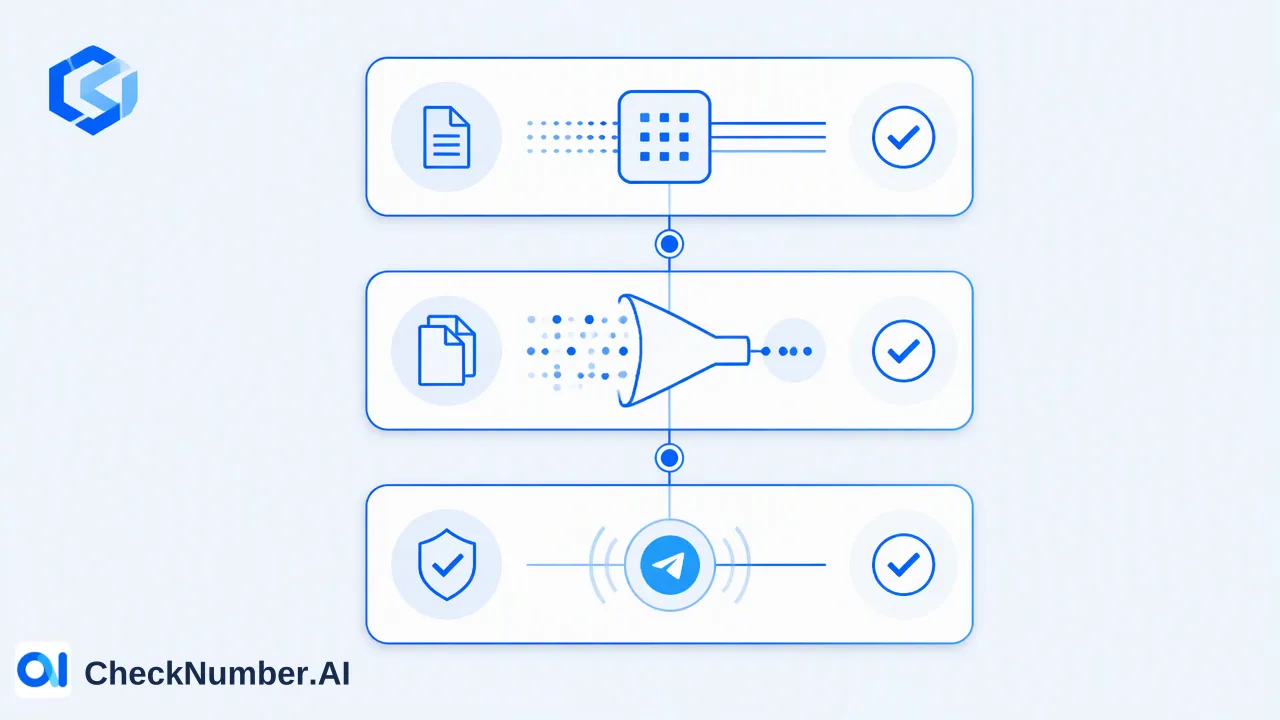
| Validation Layer | Technical Scope | Operational Purpose |
|---|---|---|
| Format & Normalization | Validates syntax, length, and E.164 country code structure | Ensures data uniformity and catches clerical input errors |
| Messaging Platform Registration | Verifies platform account presence (e.g., Telegram, Apple ID) | Informs channel selection and reachability before outreach |
| A platform registration signal specifically confirms platform account presence at check time. |
Governance and Data Hygiene for Scalability
Governance and data hygiene are essential to support scalable personalization. Over time, contact records degrade as users switch providers, abandon accounts, or update communication habits. Relying on stale contact databases leads to failed deliveries and fractured communication journeys. Implementing structured data validation workflows—such as bulk list checks via CSV uploads or programmatic REST API queries—helps organizations audit their contact databases regularly. By maintaining clean, verified identifier registries, businesses support sustainable omnichannel workflows and ensure that personalization logic reflects current platform reachability.
FAQ
What is the difference between basic format validation and platform registration signals?
Basic format or normalization checks verify whether a phone number or email adheres to structural standards, such as proper length and country code syntax. In contrast, a platform registration signal evaluates whether that identifier is registered on a specific communication network at check time, providing reachability context rather than merely confirming syntax.
How do platform registration signals support omnichannel personalization?
Platform registration signals inform channel selection by indicating whether a user’s phone number or email has an active presence on a specific service. This helps teams design relevant customer journeys, select appropriate outreach channels, and avoid sending communications to platforms where an account does not exist.
Why is real-time verification context important for customer journey mapping?
Customer channel usage changes over time. Real-time platform signals provide point-in-time reachability context, helping organizations update their routing logic and maintain consistent messaging across touchpoints without relying on outdated CRM records.