CheckNumber.AI
 · 5 min read
Activation vs. Activity: Two-Stage Messaging Verification
Learn how a two-stage messaging contact list verification workflow uses foundational carrier intelligence and platform registration signals to support audience segmentation.
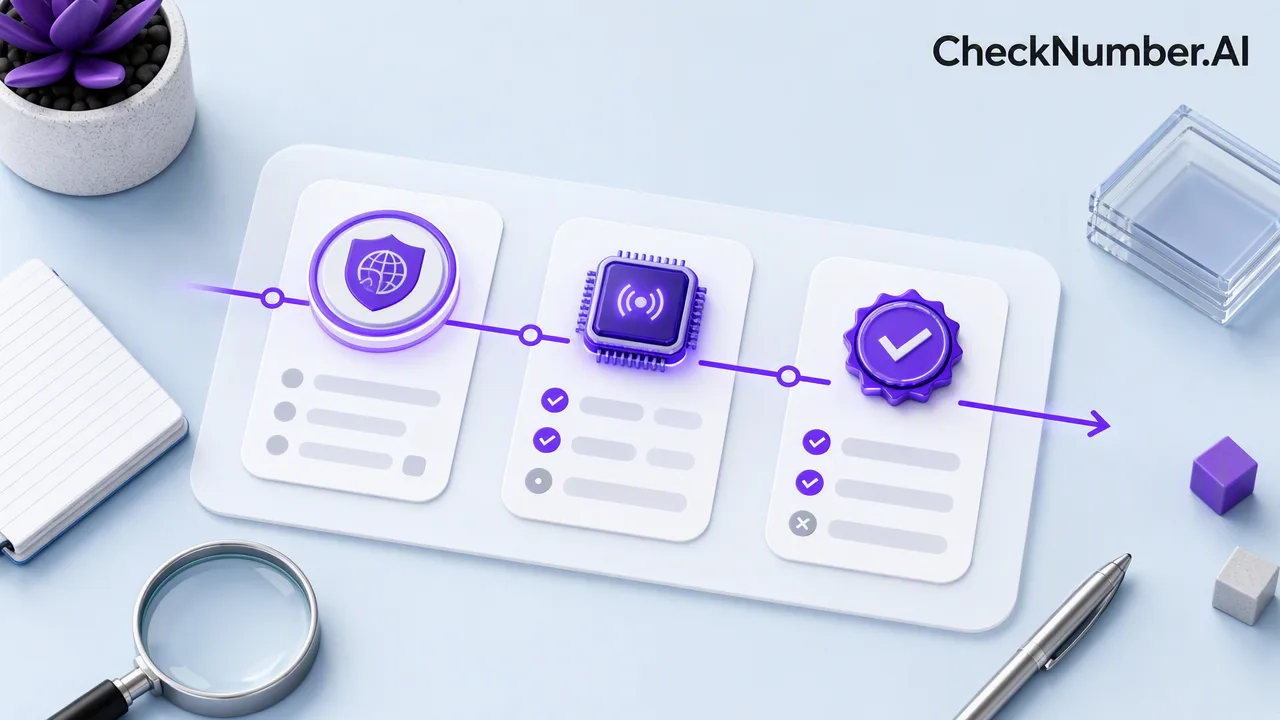
Two-stage messaging contact list verification improves audience segmentation by first validating foundational carrier data—such as line type and regional context—and then identifying platform-specific capabilities like RCS registration. This layered approach helps businesses organize their contact lists based on technical messaging support rather than relying on broad, non-specific validity metrics. By separating carrier intelligence from platform registration signals, teams can build a more structured workflow that informs rich-messaging planning and supports targeted communication strategies.
The Challenge of Messaging List Hygiene
Managing a large database of phone numbers requires consistent hygiene practices. A common challenge for technical and business teams is relying on a single, generic check to determine if a number is useful for outreach. Basic validation might confirm that a number is formatted correctly, but messaging lists require more than basic validation to be effective. When organizations treat all numbers identically, they often miss critical technical context, such as whether a number belongs to a mobile device capable of receiving texts or a landline that cannot. Furthermore, even if a number is a valid mobile line, it may not support modern rich-messaging protocols. Without deeper segmentation, teams struggle to plan their messaging workflows efficiently. Addressing this challenge requires a structured approach that moves beyond simple formatting checks and incorporates specific intelligence about the underlying carrier and the platform capabilities associated with each contact. This ensures that resources are allocated toward numbers that possess the necessary technical attributes for the intended communication channel.
Stage One: Foundational Carrier Intelligence
The first step in a robust verification workflow is gathering foundational carrier intelligence. Carrier intelligence provides essential context like line type and regional data for phone numbers. By utilizing tools like a Global Carrier Checker or an Advanced US Carrier Checker, organizations can identify the specific carrier network, the line type (such as mobile, landline, or VoIP), and the regional context for phone numbers across supported countries, including the United States and Canada. This foundational layer helps teams filter out numbers that are technically incompatible with standard SMS or rich messaging, such as traditional landlines. Understanding the line type and regional context informs internal decisions about how to route messages and which segments of a list are appropriate for mobile-focused campaigns. Carrier intelligence acts as the baseline filter, ensuring that subsequent checks are only performed on numbers that possess the fundamental technical characteristics required for mobile messaging. It provides the necessary groundwork before any platform-specific queries are made.
Stage Two: Platform-Specific Messaging Signals
Once foundational carrier data is established, the next phase involves checking for platform-specific messaging signals. Carrier intelligence is distinct from platform registration and activity. While carrier data confirms the line type and network, platform registration signals identify specific messaging capabilities, such as RCS support. These signals are distinct from carrier intelligence and support audience planning. For example, an RCS Checker can identify phone numbers that support RCS or Google Messages. This specific signal confirms account presence on the platform, which is a critical input for rich-messaging audience planning. Knowing whether a contact is registered for RCS helps teams segment their lists to deliver rich media, interactive buttons, and advanced messaging features only to devices that technically support them. By layering this platform-specific check on top of carrier intelligence, organizations can tailor their messaging workflows to match the actual capabilities of the receiving devices.
Implementing a Scalable Verification Workflow
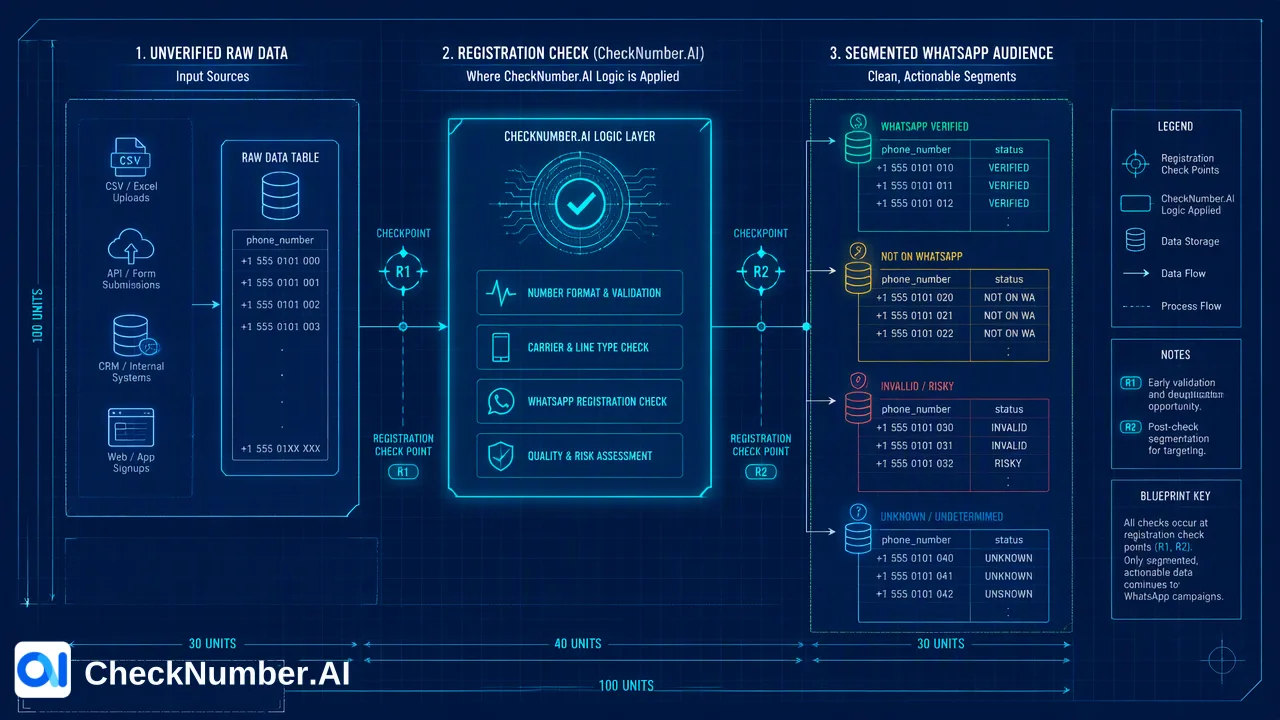
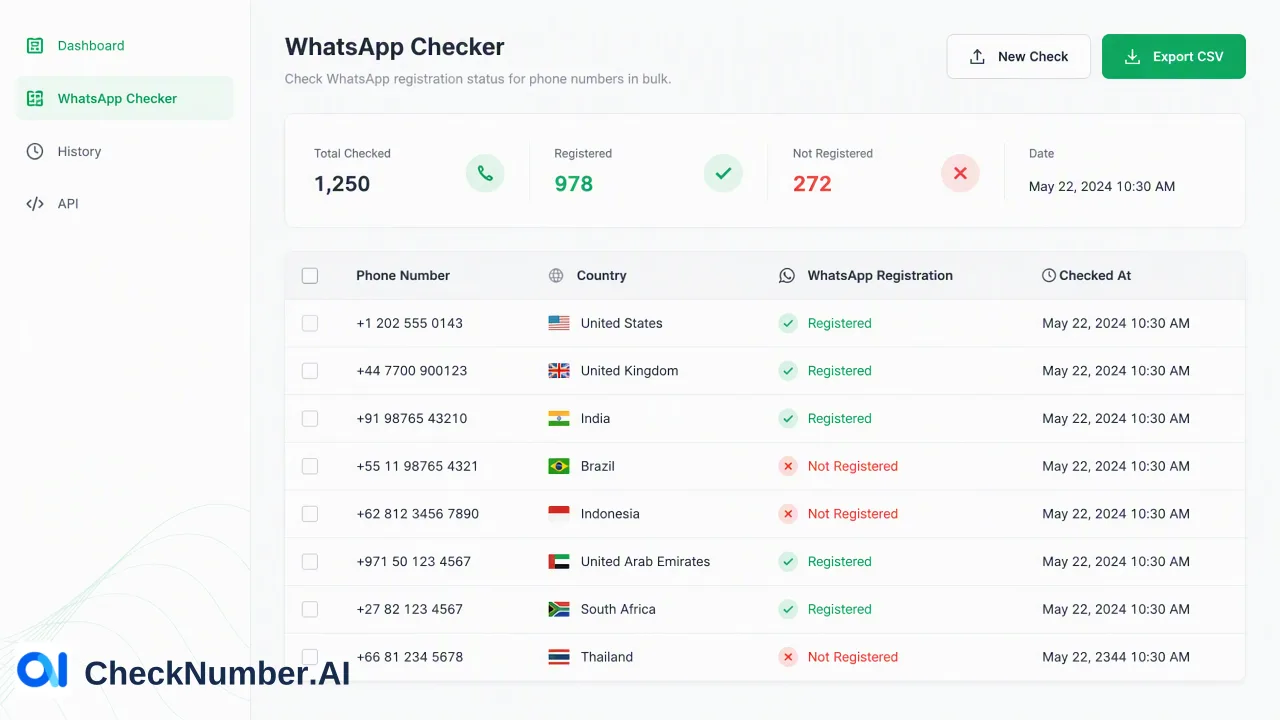
Applying a two-stage verification process to large databases requires scalable infrastructure. The core workflow for CheckNumber.AI involves the bulk checking of supported phone-number or email lists. To accommodate different technical requirements and operational scales, bulk workflows can be managed via CSV or TXT list uploads, as well as through REST API access. For teams managing periodic list hygiene, uploading a CSV or TXT file provides a straightforward method to process thousands of records simultaneously. This approach is often used for quarterly database cleanups or pre-campaign audience segmentation. Alternatively, technical teams can integrate the verification process directly into their internal systems using REST API access. This allows for automated, programmatic checks as new contacts enter the database. Regardless of the chosen method, structuring the workflow to first query carrier intelligence and subsequently query platform registration signals ensures that the verification process remains efficient and highly relevant to the organization’s messaging strategy.
FAQ
What is the difference between carrier intelligence and platform registration?
Carrier intelligence identifies the foundational attributes of a phone number, such as its carrier network, line type (e.g., mobile or landline), and regional context. In contrast, a platform registration signal identifies whether that specific phone number is registered with a particular messaging service, such as RCS or Google Messages. Carrier intelligence provides the basic technical profile of the line, while platform registration confirms account presence on a specific messaging network.
Why is a two-stage verification process better than a single check?
A two-stage verification process supports more precise audience segmentation. A single generic check often fails to distinguish between a valid mobile number and a mobile number that supports rich messaging. By first using carrier intelligence to filter out incompatible line types like landlines, and then using platform registration signals to identify specific capabilities like RCS support, teams can organize their lists based on actual technical capabilities. This layered approach informs better messaging planning and resource allocation.
How can I process bulk lists for messaging verification?
Organizations can process bulk lists for messaging verification using two primary methods. For manual or batch processing, teams can upload CSV or TXT files containing their contact lists directly to the checking service. For automated or programmatic workflows, developers can utilize REST API access to integrate the verification checks directly into their existing software infrastructure. Both methods support the core workflow of bulk checking supported phone-number lists.