CheckNumber.AI
 · 4 min read
How to Build a Scalable Messaging Contact Database: A Practical Guide to Hygiene and Segmentation
Building a scalable messaging contact database requires prioritizing data hygiene, standardization, and platform-specific segmentation over raw contact volume.
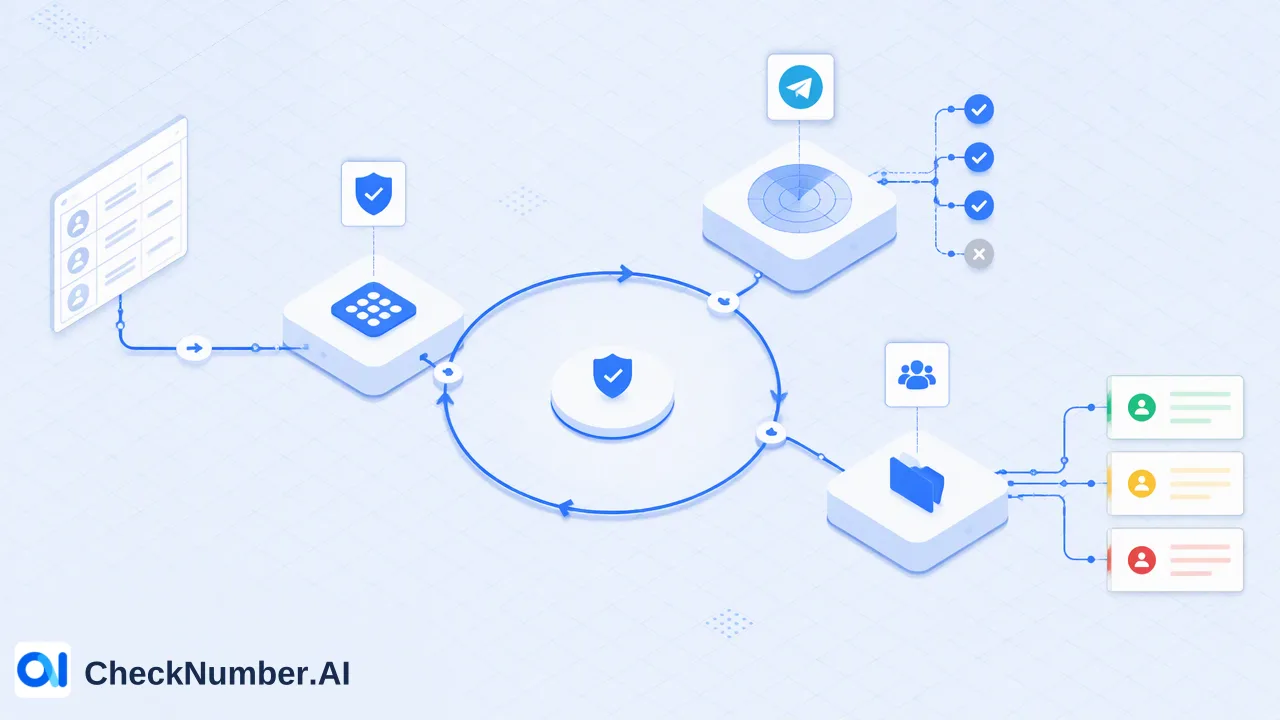
Building a scalable messaging contact database requires organizations to prioritize messaging contact list hygiene, data standardization, and platform-specific verification over raw volume. Rather than collecting unverified phone numbers, high-performing outreach workflows rely on standardized field formatting, automated list cleaning, and check-time platform registration signals to categorize contacts into actionable, channel-appropriate audience segments.
The Fallacy of Raw List Volume
Many outreach strategies focus heavily on database size, operating under the assumption that a larger contact list directly correlates with higher operational output. In reality, raw list volume functions primarily as a vanity metric. Large, uncleaned lists frequently contain obsolete telephone numbers, improperly formatted entries, and records that possess no platform presence on intended messaging applications. Accumulating unverified records introduces substantial inefficiencies. When teams evaluate performance against an inflated denominator of invalid records, key metrics such as engagement rates and platform reach become skewed. A structured data management framework shifts focus away from volume and toward verified contact quality, ensuring that every record in the database represents a standardized, reachable destination.
Establishing a Data Hygiene Framework: Standardization and Normalization
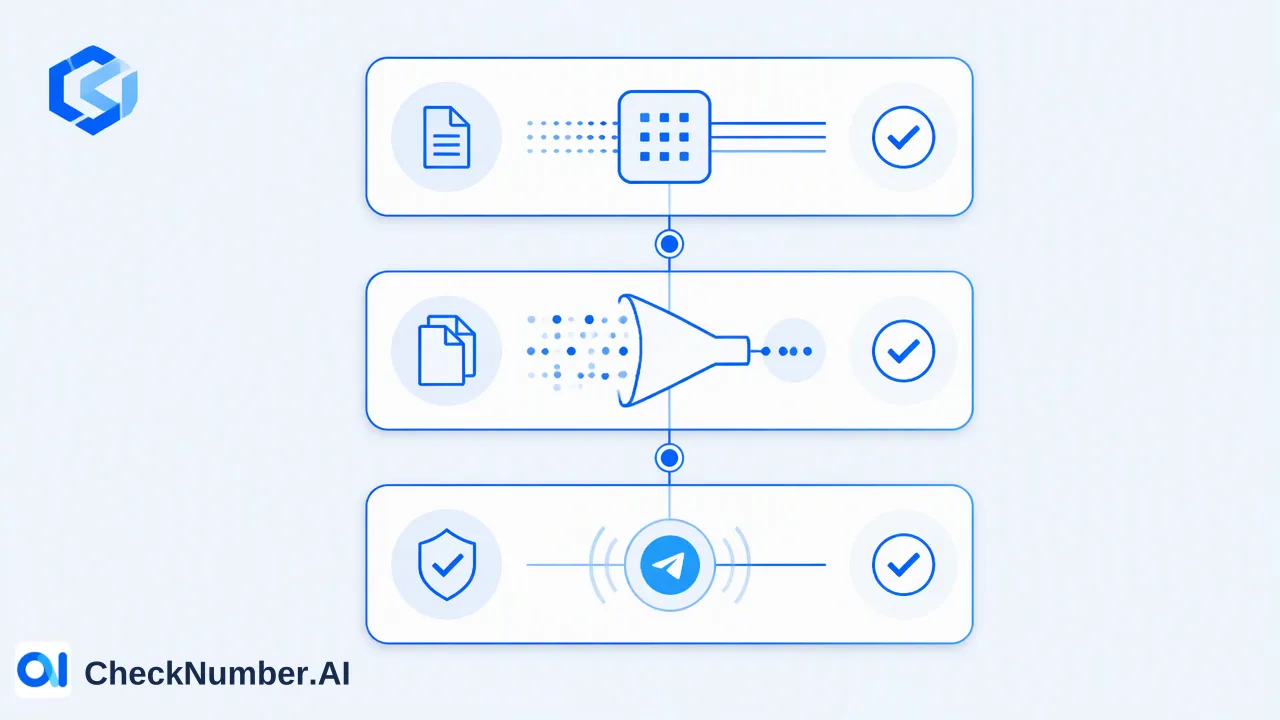
A sustainable contact database begins with strict input hygiene. Before any outreach campaign or verification check occurs, organizations must standardize incoming data fields and phone number formats. Inconsistent data inputs—such as varying local area code conventions, missing country codes, or mismatched custom fields—create fragmented databases that complicate downstream automation. Formatting and normalization checks serve as the primary layer of hygiene. These basic checks verify structural compliance, converting local formats into uniform international standards with explicit country dialing codes. It is important to distinguish basic syntax normalization from deeper validation checks; confirming that a string represents a valid telephone number format does not confirm network activity or platform presence. Once field names, demographic metadata, and telephone numbers are standardized, teams can process contact batches efficiently across CRM systems and data pipelines without structural errors.
Strategic Segmentation Using Platform Registration Signals
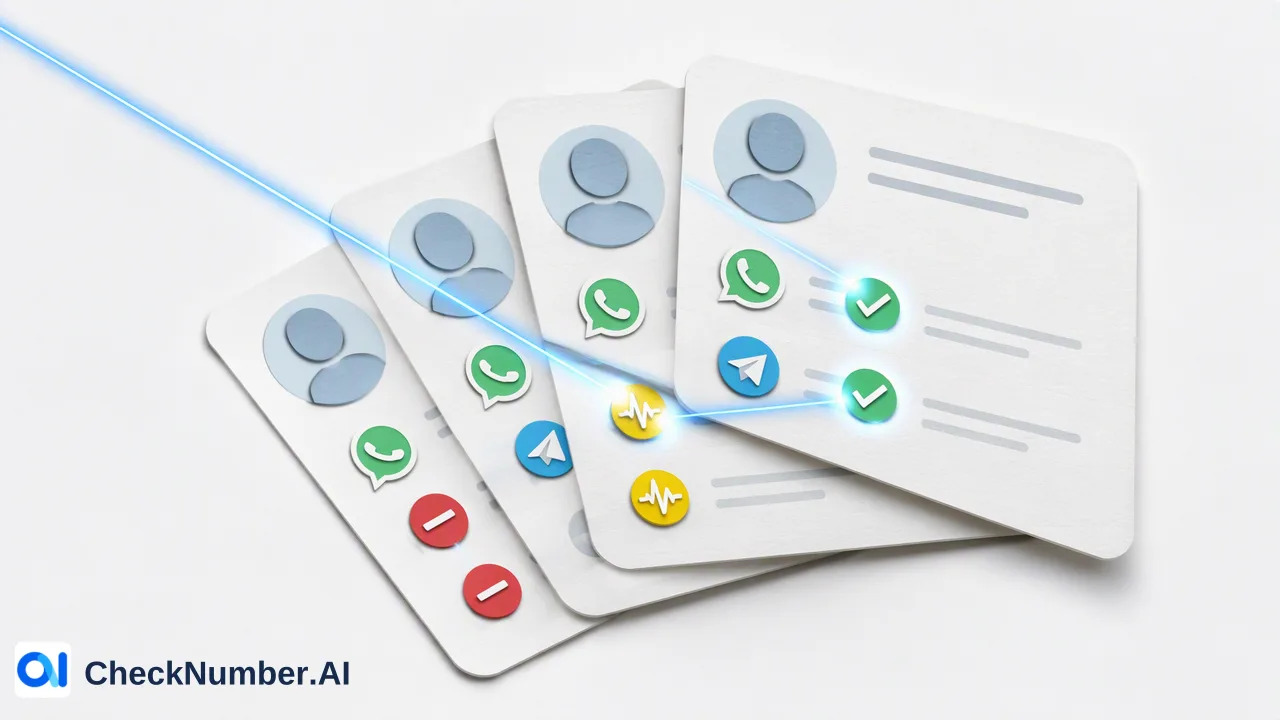
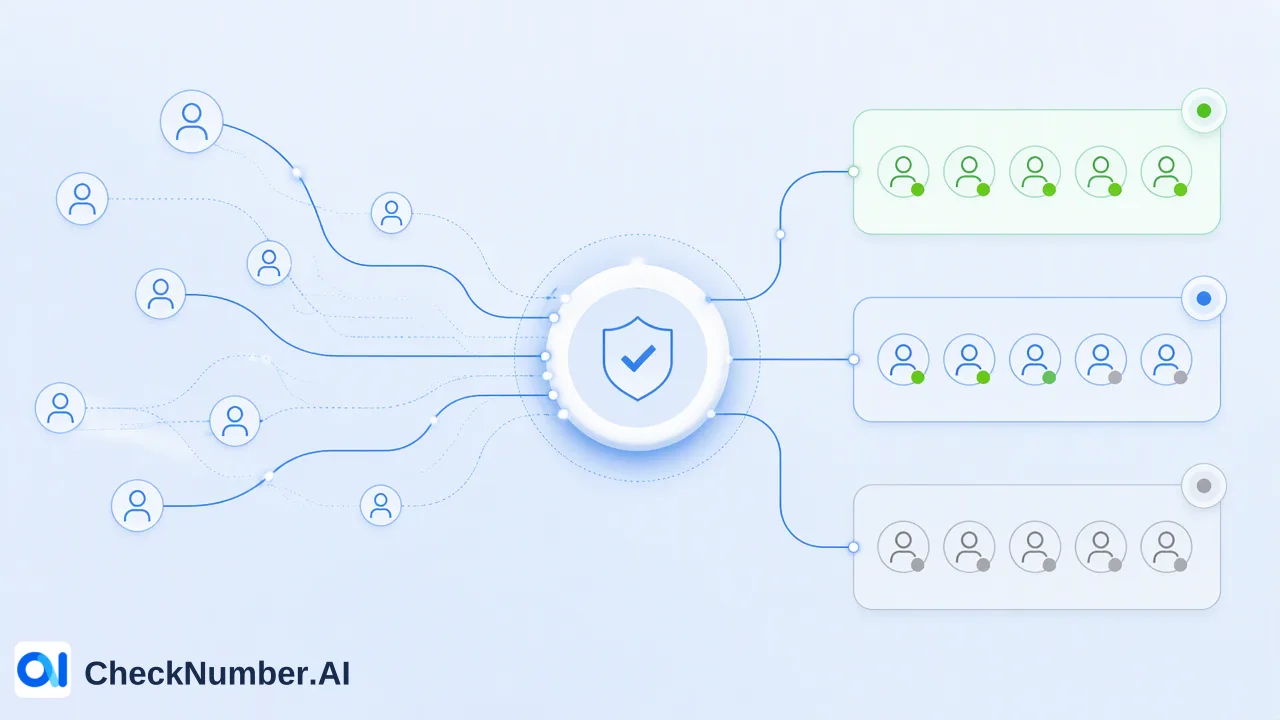
Standardizing telephone numbers provides a clean baseline, but messaging outreach requires knowing whether a number can receive communications on specific channels. Platform registration checks evaluate numbers in bulk to identify account presence on particular messaging platforms at check time. Integrating platform registration signals enables precise audience segmentation:
- Apple Ecosystem Planning: Bulk verification via an iMessage checker identifies numbers registered with iMessage. This provides teams with context for iOS-focused audience segmentation and supports planning for iMessage-specific outreach or support workflows. - Rich Messaging Capability: An RCS checker identifies phone numbers that support RCS or Google Messages, helping teams structure campaigns around rich-messaging features. - Alternative Messaging Channels: Checking platform registration across Telegram establishes whether numbers have active platform presence for multi-channel communication strategies.
Lifecycle Management and Automated Batch Re-Verification
Data hygiene is an ongoing operational discipline rather than a one-time project. Contact lists experience natural decay over time: mobile users abandon accounts, switch phone numbers, or deregister from messaging platforms. Relying on static data collected months prior inevitably leads to decaying delivery rates and wasted marketing spend. To preserve database health, organizations must implement a formal data lifecycle management workflow that incorporates periodic list cleaning and re-verification. Automated bulk workflows allow teams to submit large contact lists via CSV or TXT file uploads, or to integrate verification directly into existing customer management infrastructure through REST API access. By scheduling regular re-checks, organizations can continuously purge defunct records, update platform segmentation attributes, and maintain an accurate, high-quality messaging database at scale.
FAQ
Why is data hygiene critical for messaging campaigns?
Data hygiene ensures that contact records are standardized, accurately formatted, and verified for platform presence before launching campaigns. Managing database hygiene prevents teams from wasting operational capacity on obsolete or unreachable records and helps organizations maintain consistent, organized records across their messaging systems.
How does platform-specific verification improve segmentation?
Platform-specific verification provides a check-time registration signal showing whether a phone number is associated with a specific messaging environment, such as iMessage, RCS, or Telegram.
How often should an organization clean its messaging contact list?
Contact databases degrade over time as numbers change hands, accounts become inactive, or platform registrations shift. Organizations should establish a routine lifecycle management schedule, conducting periodic re-verification through bulk list uploads or API-driven workflows before major campaign pushes or on a scheduled quarterly basis.