CheckNumber.AI
 · 6 min read
How to Clean and Segment Your LINE Contact Lists for Better Outreach
A systematic guide to LINE contact list hygiene in Thailand, covering phone format standardization, deduplication, platform registration checks, and audience segmentation.
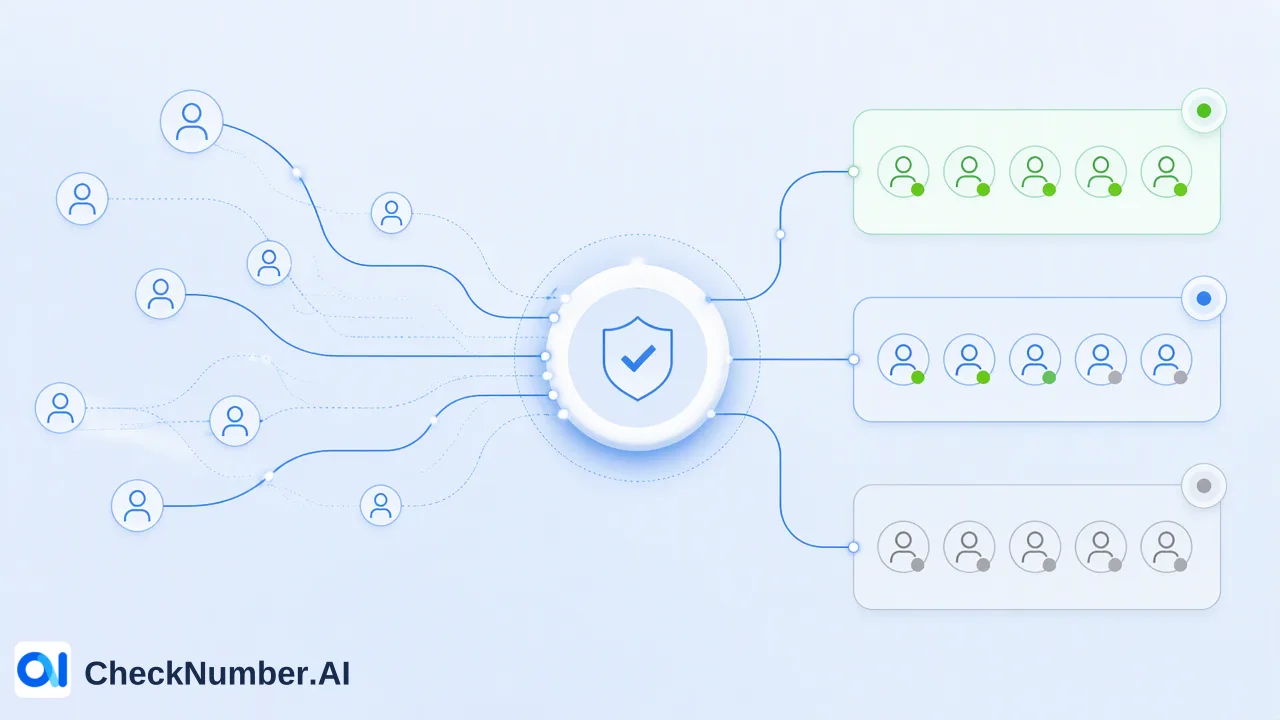
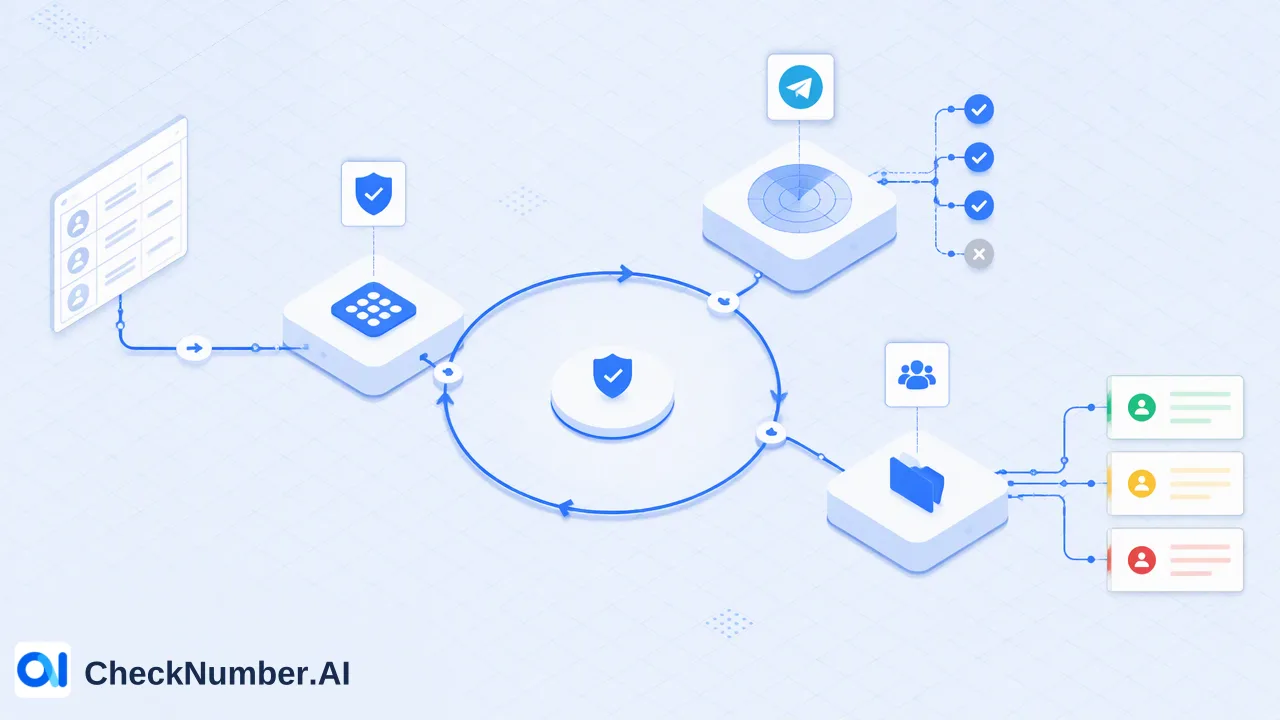
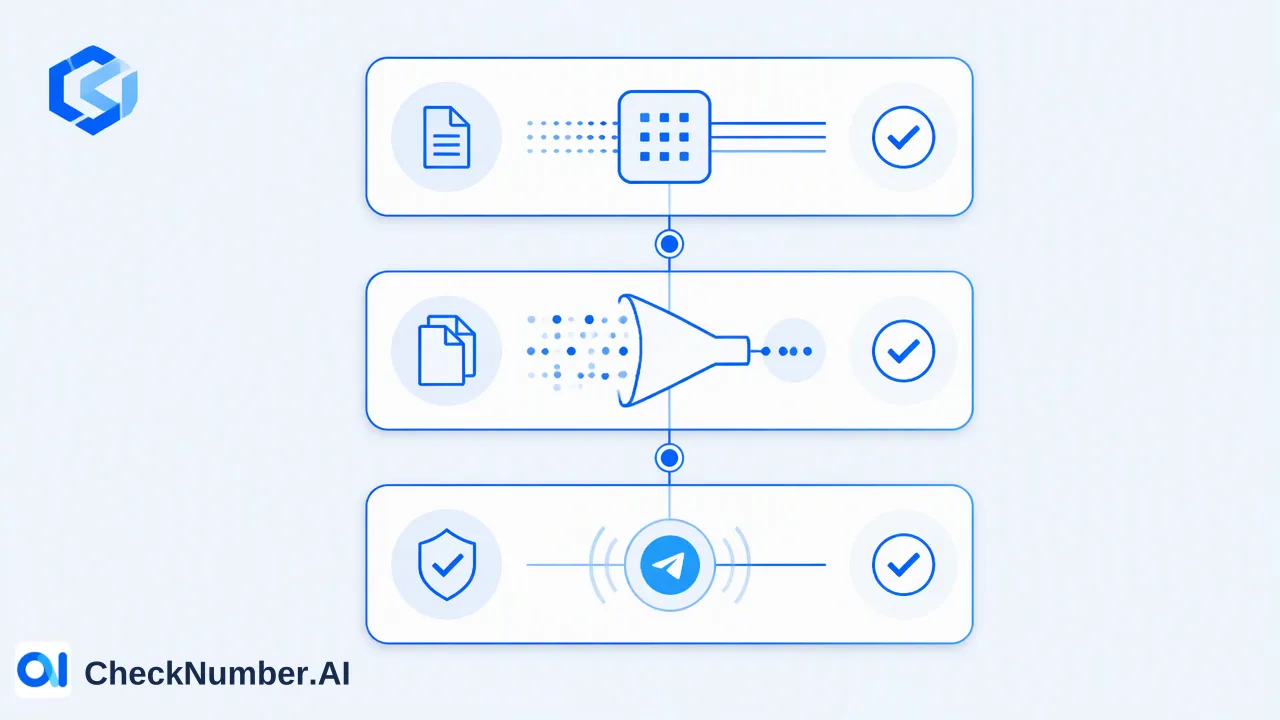
Maintaining LINE contact list hygiene requires a systematic workflow: standardizing local and international phone formats, removing duplicate entries, verifying account presence with platform registration signals, and segmenting contacts by region, origin, and profile data. In markets like Thailand where LINE is a primary communication channel, treating a database as an unvetted monolith leads to wasted resources and poor campaign relevance. Verifying reachability at check time helps marketing and technical teams direct messaging toward active accounts and build structured cohorts for personalized outreach.
The Importance of Data Hygiene for LINE Outreach
For businesses engaging audiences in Thailand, LINE functions as the central conduit for customer support, service alerts, and promotional campaigns. However, customer relationship management (CRM) databases degrade rapidly as users switch numbers, abandon old SIM cards, or enter faulty information during registration. When teams broadcast messages across an unvetted, monolithic contact list, operational waste escalates quickly. Running outreach on uncleaned data creates multiple operational inefficiencies:
- Wasted Campaign Spend: Sending messages to numbers that have no LINE account exhausts marketing allowances without any potential return. - Distorted Analytics: Contact lists burdened by invalid entries skew engagement metrics, making click-through rates and campaign performance difficult to evaluate accurately. - Degraded Audience Targeting: Monolithic lists prevent teams from tailoring content to specific customer segments, leading to generic broadcasts that fail to resonate. Applying structured data hygiene transforms unorganized contact inventories into clean, categorized assets, supporting more efficient budget allocation and higher messaging relevance.
Step 1: Standardizing and Deduplicating Your List
The initial stage of contact list hygiene focuses on data standardization and the elimination of redundant entries. Raw customer files collected from sign-up forms, e-commerce checkouts, and offline events often feature inconsistent numerical representations. ### Phone Number Normalization
In Thailand, local mobile numbers typically begin with a leading zero (e.g., 081xxxxxxx). For programmatic processing and platform lookups, numbers must be converted into standard international formats, including the country code +66 while stripping spaces, hyphens, and leading local prefixes. Normalizing local and international inputs ensures that subsequent automated validation systems process every record uniformly. ### Systematic Deduplication
Deduplication is the foundational step for cutting operational waste. Multiple sign-ups by the same individual across different landing pages or purchase points often introduce identical phone numbers under varying customer names or timestamps. Merging duplicate records protects teams from sending repeated, annoying broadcasts to the same recipient, preserving message budgets and brand reputation.
Step 2: Verifying Reachability with Platform Signals
Syntax normalization confirms only that a phone number meets international formatting rules; it cannot verify whether the number is operational or registered on messaging platforms. To establish channel-level viability, organizations rely on bulk verification services. CheckNumber.AI provides bulk list checking capabilities, supporting list uploads via CSV or TXT files as well as direct integration through a REST API. Within this workflow, specialized platform tools provide critical reachability signals:
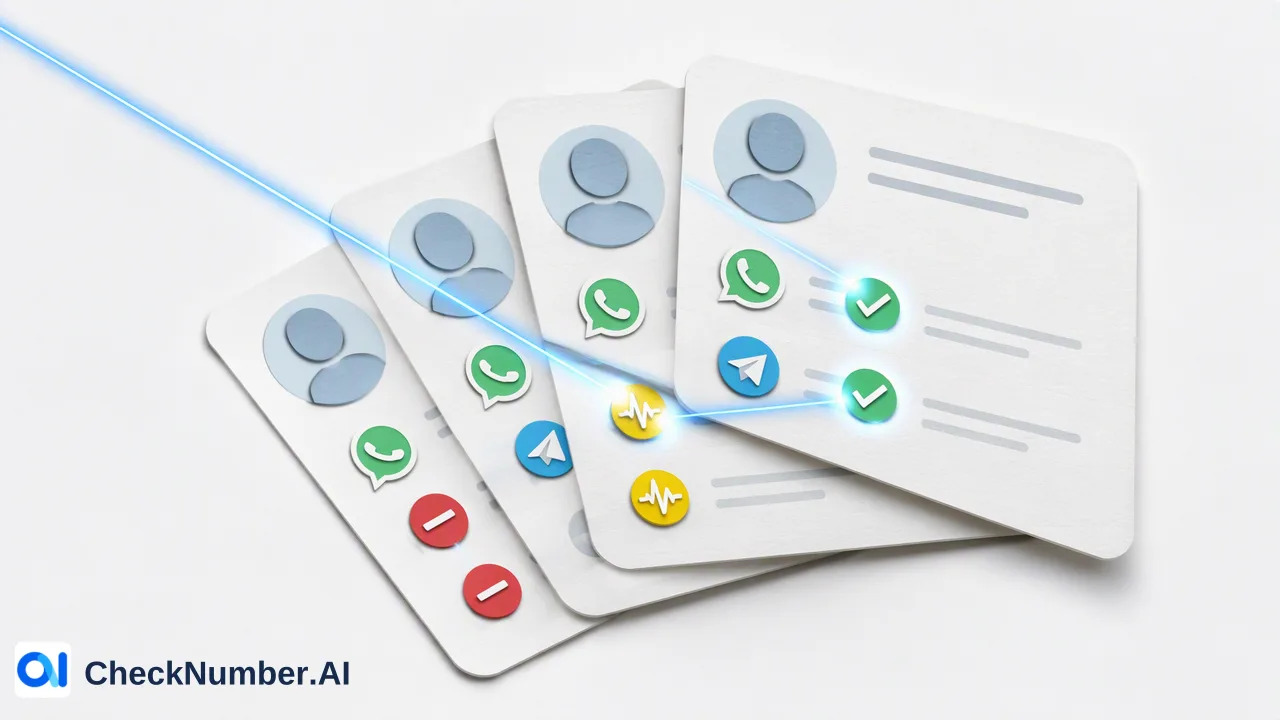
- Line Checker: Evaluates input phone numbers to verify whether an active account is registered with LINE at check time. This platform registration signal indicates whether the recipient is reachable on the channel. - Line Profile Checker: Confirms LINE account presence and supplies available profile and demographic enrichment context, alongside account identifier signals. Incorporating these platform checks allows teams to partition their lists into registered and non-registered cohorts. Non-registered numbers can be set aside or routed to alternative communication channels, ensuring LINE marketing budgets are reserved solely for registered platform users.
Step 3: Advanced Segmentation Strategies
Once a list has been standardized, deduplicated, and verified for platform presence, the next phase is categorizing contacts to support tailored communication. Rather than broadcasting generic announcements to an entire subscriber base, teams can establish targeted cohorts based on available data attributes. | Segmentation Dimension | Data Points Used | Outreach Workflow Application | | :--- | :--- | :--- | | Geographic Context | Country code, carrier data, regional prefixes | Aligning message language, localized promotions, and regional operating hours. | | Acquisition Source | Lead capture channel, campaign tag, sign-up date | Structuring customized onboarding sequences based on initial user intent. | | Profile Enrichment | Available profile and demographic attributes | Tailoring creative tone and product recommendations using Line Profile Checker context. | | Carrier Intelligence | Carrier name, line type (mobile vs. landline) | Informing multi-channel routing decisions using Global Carrier Checker data. | Using signals from tools like the Global Carrier Checker helps organizations identify line type and country context, ensuring fixed landlines are excluded from mobile messaging queues. Meanwhile, demographic enrichment from the Line Profile Checker gives teams context to refine message personalization without relying on invasive guesswork.
Establishing a Recurring Maintenance Cycle
Contact data is dynamic rather than static. Subscriber numbers are routinely reassigned, accounts are closed, and user behaviors shift over time. As a result, data hygiene cannot be treated as a one-time onboarding task; it requires a structured, recurring maintenance schedule. To keep contact data accurate and operational, teams should integrate hygiene protocols into their ongoing operational cadence:
- Pre-Campaign Verification: Run bulk list checks across CSV or TXT uploads prior to major seasonal marketing pushes to remove recently lapsed accounts. 2. Periodic Database Cleansing: Schedule quarterly audits to re-verify registration signals and update carrier line-type intelligence. 3. Automated Ingestion Hygiene: Use REST API endpoints to normalize numbers, strip duplicate entries, and check registration status at the point of customer data entry. Establishing regular maintenance routines keeps outreach workflows efficient, preserves marketing resources, and provides marketing teams with dependable contact intelligence for ongoing audience engagement.
FAQ
Why is it necessary to verify LINE registration status for a contact list?
Raw databases frequently contain inactive, disconnected, or landline phone numbers that cannot receive mobile messaging. Checking platform registration status provides a reachability signal at check time, confirming whether an account currently exists on LINE. This helps teams filter out non-registered numbers before launching outreach, reducing unnecessary processing and message spend.
How does data hygiene improve the efficiency of LINE marketing campaigns?
Data hygiene removes redundant duplicate contacts and filters out numbers that lack an active LINE presence. By eliminating dead weight from the database, teams ensure their outreach budget focuses exclusively on reachable users. Furthermore, clean contact data supports better categorization by region and demographics, which informs more targeted, personalized communication strategies.
What is the difference between format validation and platform registration verification?
Format validation is a structural syntax check that confirms whether a phone number follows standard country numbering plans (such as country and area codes). In contrast, platform registration verification checks whether that specific number is currently associated with an active account on LINE at the time of the query. Format validation confirms structure, whereas platform checks confirm channel reachability.