CheckNumber.AI
 · 5 min read
Invalid vs Inactive Phone Number: Definitions and Data Hygiene
Understand the differences between invalid, inactive, and risky phone numbers to improve data hygiene, list quality, and verification workflows.

In an invalid vs inactive phone number evaluation, the distinction centers on foundational validity versus current operational status. An invalid phone number fails basic format, numbering plan, or carrier allocation criteria and cannot receive communications under any circumstance. An inactive phone number meets general number validity standards but is currently disconnected, deactivated, or unassigned. By contrast, a risky phone number may be both valid and active, yet carries attributes that warrant operational caution, such as security flags, high churn probability, or the absence of expected platform reachability signals.
Understanding Invalid Phone Numbers
An invalid phone number represents a record that fails fundamental phone-number validity requirements. These entries typically stem from data entry typos, truncated digits, unsupported country or area codes, or syntactical errors that violate standard numbering plans. In addition, numbers that have never been allocated by administrative authorities to a telecommunications provider fall into this category. Because an invalid number lacks the structural or administrative basis to exist on a network, any attempt to dispatch SMS, voice calls, or digital messages will fail immediately at the routing level. In data hygiene workflows, invalid numbers represent zero-utility records. Maintaining them in active customer relationship management (CRM) systems or outreach lists wastes operational resources, distorts database metrics, and skews reporting accuracy.
Understanding Inactive Phone Numbers
An inactive phone number possesses structural validity and exists within an allocated carrier block, but it is not currently provisioned to an active subscriber. Numbers transition into inactive states for various operational reasons, including voluntary service cancellation, non-payment disconnection, or temporary quarantine periods before carrier reassignment. The critical operational challenge with inactive numbers is that they cannot be identified through formatting checks alone. A syntax validation tool will confirm the number follows the correct length and prefix conventions. However, messages sent to inactive numbers still fail to deliver or terminate at a disconnected carrier intercept. Distinguishing inactive numbers from invalid ones helps organizations maintain historical records appropriately. While invalid numbers should generally be scrubbed or corrected at ingestion, inactive numbers often reflect churned contacts that may require re-engagement workflows, account updates, or archival.
What Defines a Risky Phone Number?
Risk categorization is determined by operational context and organizational rules rather than a single technical failure. Common examples of risky numbers include temporary or disposable virtual numbers, lines associated with frequent carrier porting, numbers demonstrating abnormal traffic patterns, or contact records that consistently fail platform reachability checks. For instance, in messaging workflows, attempting outreach to numbers that show no platform presence on the target channel can waste budget and harm sender reputation. Treating risky numbers requires nuanced handling. Rather than executing automatic list deletions, organizations often route risky records into secondary verification paths, manual reviews, or multi-factor authentication step-ups.
Comparing Number Statuses
To structure data cleaning pipelines effectively, teams must understand how each category behaves across core technical dimensions:
| Attribute | Invalid Number | Inactive Number | Risky Number |
|---|---|---|---|
| Syntax & Formatting | Non-compliant or malformed | Fully compliant | Fully compliant |
| Carrier Allocation | Unallocated or nonexistent | Allocated to carrier network | Allocated to carrier network |
| Current Routing | Cannot route | Disconnected or unassigned | Actively routed |
| Platform Reachability | Not reachable | Not reachable | Variable by channel |
| Recommended Action | Immediate purge or syntax fix | Archival or data update | Risk review or step-up verification |
| Conflating these categories leads to flawed data management. For example, treating all inactive numbers as invalid syntax errors prevents teams from analyzing genuine customer churn, while treating risky numbers as simple invalid records can discard legitimate high-intent users. |
The Role of Platform-Registration Signals
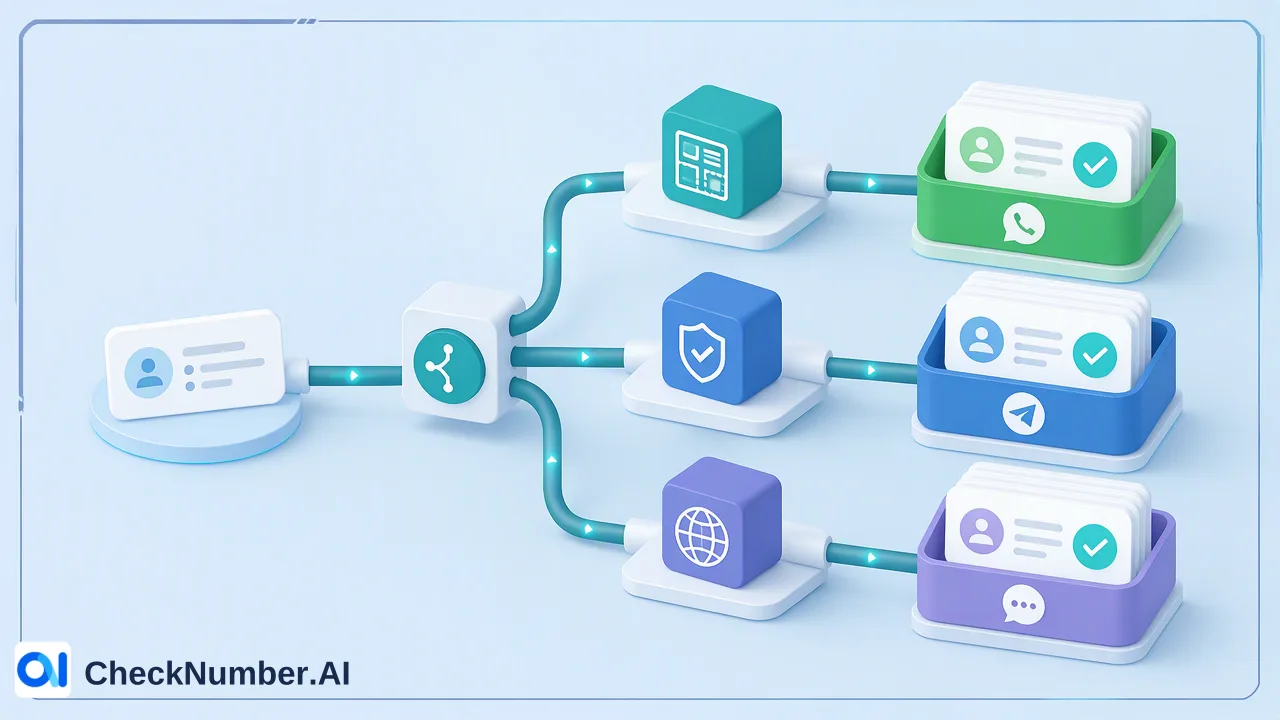
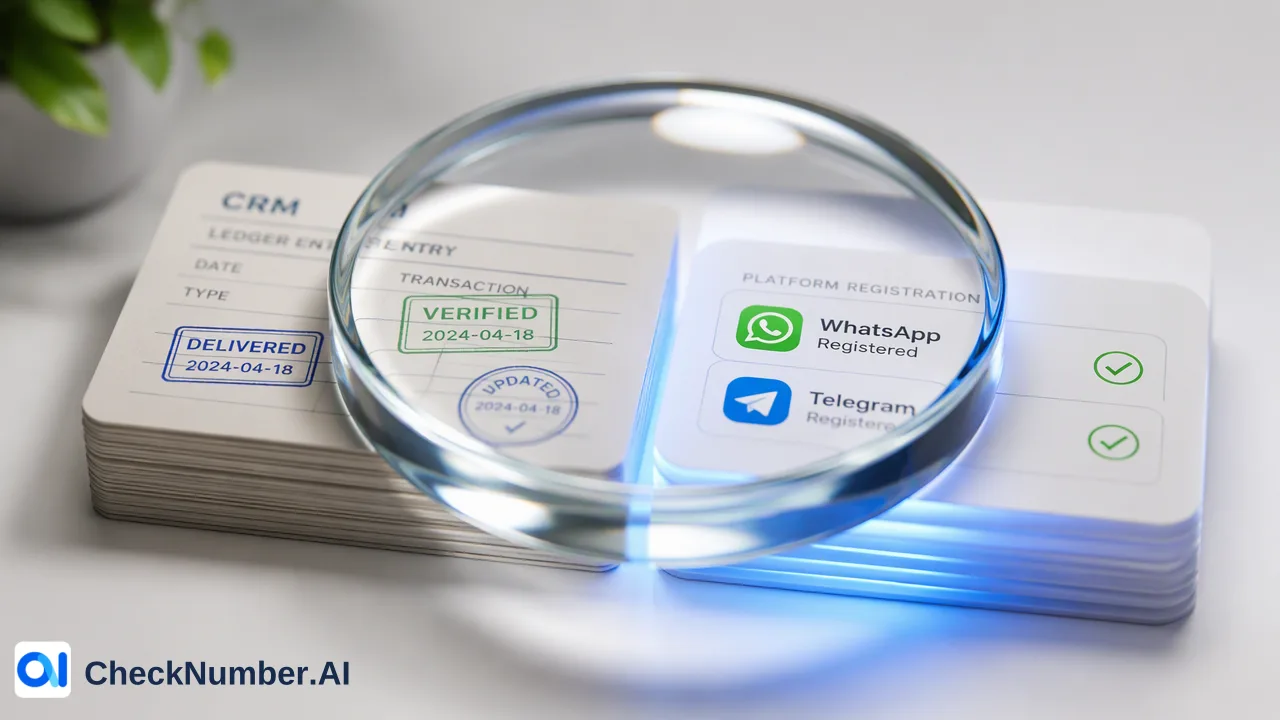
This is where platform-registration signals provide critical operational context. A platform-registration signal indicates whether a phone number is registered on a dedicated service, such as WhatsApp or Telegram, at the exact time of the check. CheckNumber.AI provides specialized checking capabilities, including the WhatsApp Number Checker and Telegram Checker, which evaluate account registration across large datasets. For instance, knowing whether a line is registered with WhatsApp helps organizations avoid dispatching messages to dormant accounts.
Building a Robust List Hygiene Pipeline
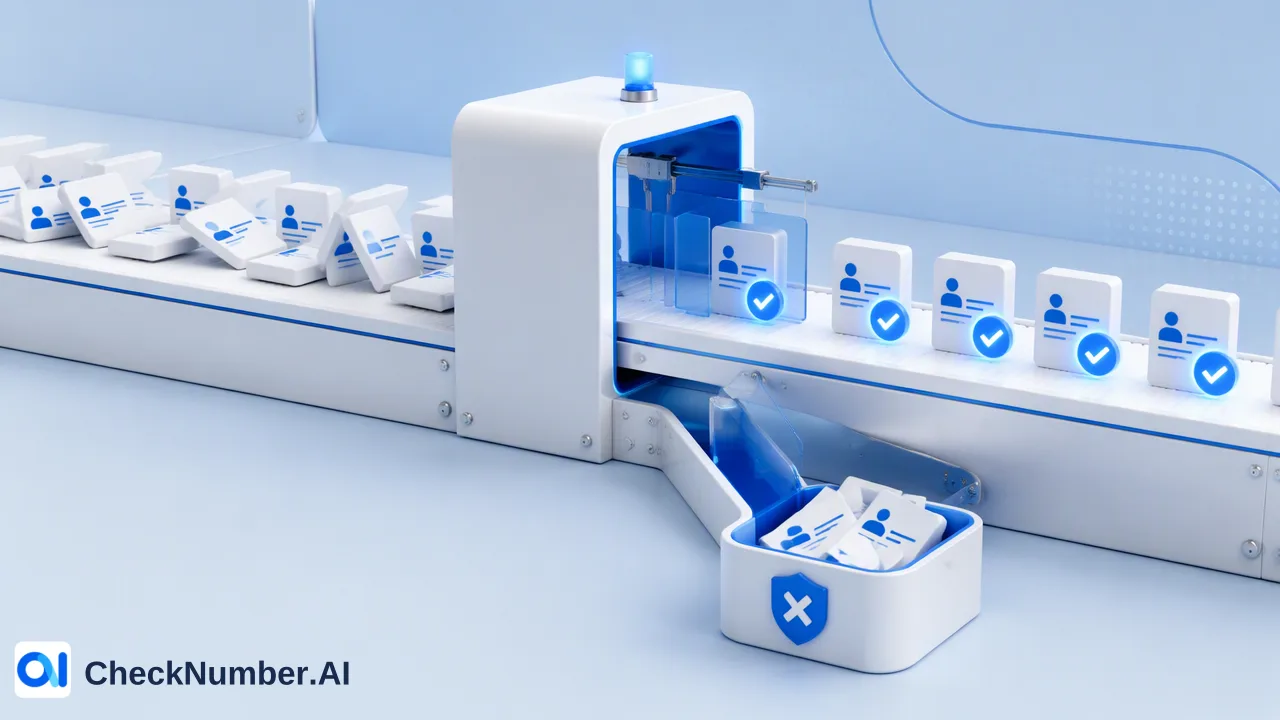
Maintaining a clean contact database requires a multi-stage verification strategy rather than a single binary filter. Teams managing large-scale contact lists can structure their hygiene pipeline into three logical phases:
- Format Normalization and Syntax Filtering: Standardize incoming numbers into international formats (such as E.164) and purge malformed entries that fail basic number validity rules. 2. Platform Reachability Checks: Use bulk checking tools to evaluate platform registration across target communication channels. CheckNumber.AI supports bulk workflows through CSV or TXT file uploads as well as REST API integration, allowing teams to automate checks across extensive datasets. 3. Contextual Risk Routing: Segment numbers that present elevated operational risk or lack required channel registrations. Route these records to alternative communication methods, step-up verification, or account update requests. Implementing this tiered approach helps teams optimize list quality, protect messaging reputation, and focus operational resources on reachable, high-utility contacts.
FAQ
What is the primary difference in an invalid vs inactive phone number comparison?
How can teams clean contact lists using bulk verification workflows?
Teams can upload contact datasets in CSV or TXT format or integrate via REST API to perform bulk verification, filtering out invalid records, segmenting platform-registered lines, and categorizing numbers for targeted workflows.