CheckNumber.AI
 · 5 min read
Improving Instagram Audience Match Rate
Learn why Instagram audience match rates drop and how organizations can improve them by prioritizing CRM data hygiene and bulk checking before list uploads.

Low Instagram audience match rates are typically caused by outdated, incomplete, or incorrectly formatted contact data in the CRM, rather than issues with the ad platform itself. To improve match rates, organizations should prioritize data hygiene by validating phone numbers and email addresses for platform registration before uploading lists to ad managers. Proactive list management helps teams filter out low-quality records and supports more accurate audience targeting.
Understanding the Audience Match Rate Challenge
The audience match rate is defined as the percentage of customer records in a provided list that a social media platform successfully links to an active user account. Marketing managers and data analysts often face discrepancies between the size of their CRM export and the final matched audience on social platforms. Match rates depend entirely on the platform’s ability to link CRM records to real user accounts. When organizations upload raw lists, the platform attempts to match the provided identifiers against its own user database. Outdated or invalid contact data is the most common cause of low matching. Over time, customer data decays as individuals change phone numbers, abandon email addresses, or close accounts. If a CRM is not regularly maintained, the exported lists will contain a high volume of these stale identifiers. This accumulation of outdated data directly reduces the match rate during the audience creation process, limiting the reach of the intended campaign.
The Role of CRM Data Hygiene in Improving Instagram Audience Match Rate
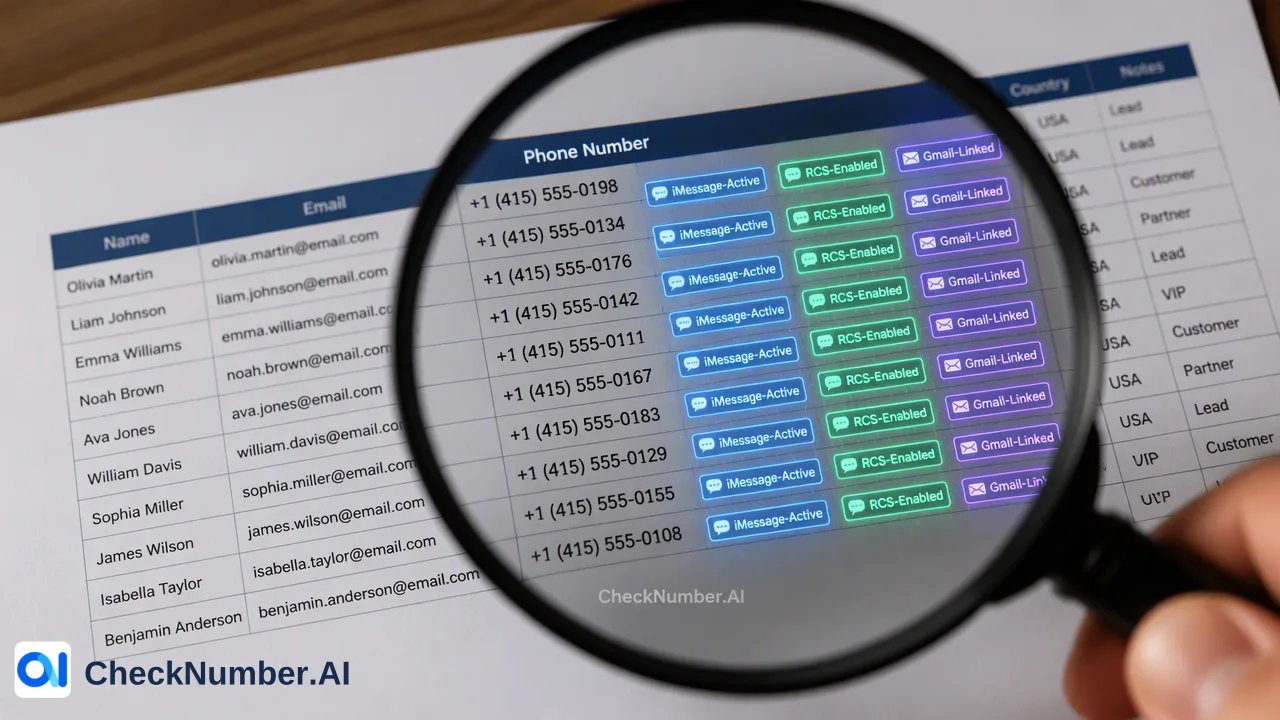
Raw CRM exports often lack the platform-specific context needed for successful matching. Teams frequently export lists directly from their database and upload them to ad managers without intermediate processing. This approach assumes that all stored contact information remains tied to an active social media account. However, data hygiene should be performed as a standard step before list upload to ensure the data is ready for platform ingestion. Organizations must distinguish between basic format checks and actual platform-registration checks. While format checks are a necessary baseline, they do not confirm whether the identifier is currently associated with a social media account. A platform-registration signal provides account-related presence at check time only. By incorporating platform-registration checks into the data hygiene workflow, teams can identify which records are actually present on the target platform, providing a more accurate baseline for expected match rates.
Using Bulk Checking for Proactive List Management
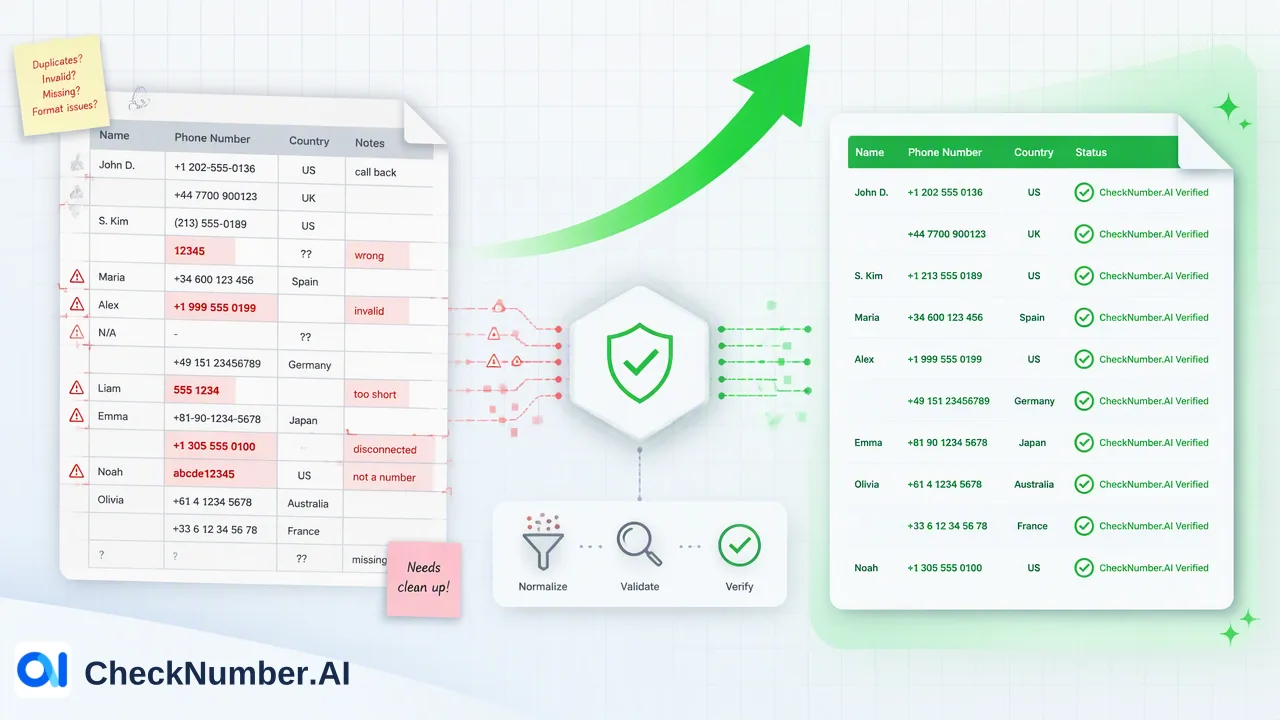
To address data quality at scale, organizations can implement bulk checking workflows. The core workflow involves the bulk checking of supported phone-number or email lists before they are routed to ad platforms. Bulk verification allows teams to filter out unreachable or low-quality identifiers from their CRM exports, ensuring that only the most relevant data is used for audience creation. Bulk workflows support CSV or TXT list uploads and REST API access, giving technical teams flexible options for integrating data hygiene into their existing marketing operations. For example, a data analyst can export a CSV file from the CRM, process it through a bulk checking service to validate registration status, and then upload only the validated records to the ad platform. Validating registration status helps ensure that only high-quality records are included in ad audiences. This proactive filtering supports better resource allocation and informs internal decisions regarding audience segmentation and campaign planning.
Best Practices for Sustainable Audience Targeting
Sustainable audience targeting requires a shift in focus from platform-side adjustments to internal data governance. Troubleshooting should start with source list quality rather than ad campaign settings. When match rates drop, teams often spend time adjusting campaign parameters, but if the underlying identifiers are invalid, platform-side changes will not resolve the issue. Regularly cleaning contact lists reduces the accumulation of stale data. Organizations should establish a routine schedule for data hygiene, processing lists through bulk checking workflows prior to every major campaign launch. By treating CRM data quality as a continuous operational requirement, marketing and technical teams can maintain cleaner databases, support more predictable audience matching, and build a more reliable foundation for their advertising efforts.
FAQ
Why is the Instagram audience match rate lower than expected?
Low match rates are primarily driven by outdated, incomplete, or incorrectly formatted contact data within the CRM. Match rates depend on the platform’s ability to link CRM records to real user accounts, and stale identifiers prevent successful matching.
Does CRM data quality affect ad targeting performance?
Yes, CRM data quality directly impacts the ability to build accurate target audiences. Outdated or invalid contact data prevents platforms from linking records, which limits the size and accuracy of the matched audience.
How can organizations clean contact lists before uploading them to ad platforms?
Teams can clean contact lists by implementing proactive data hygiene workflows, including the bulk checking of supported phone-number or email lists. Bulk workflows support CSV or TXT list uploads and REST API access to filter out low-quality identifiers.
What is the difference between format checks and platform-registration signals?
Format checks confirm that an identifier aligns with standard formatting rules, while a platform-registration signal indicates account-related presence for a named platform at check time only. Both are distinct steps in a comprehensive data hygiene process.
What should teams check first when troubleshooting low match rates?
Troubleshooting should start with the source list quality rather than ad campaign settings. Validating the CRM export for outdated or invalid contact data is the most effective first step in addressing matching discrepancies.