CheckNumber.AI
 · 4 min read
The Pre-Send Contact List Cleaning Checklist
A practical pre-send contact list cleaning checklist covering deduplication, data normalization, batch phone-number validity checks, and platform registration signals.
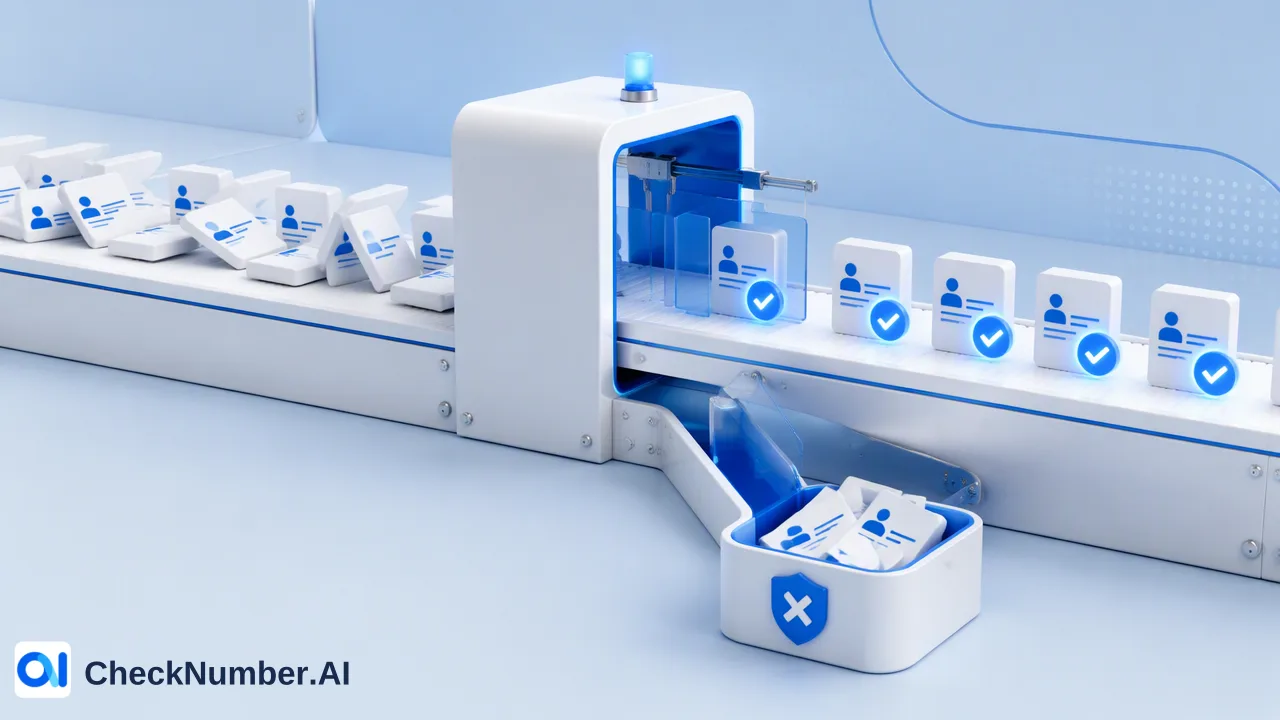
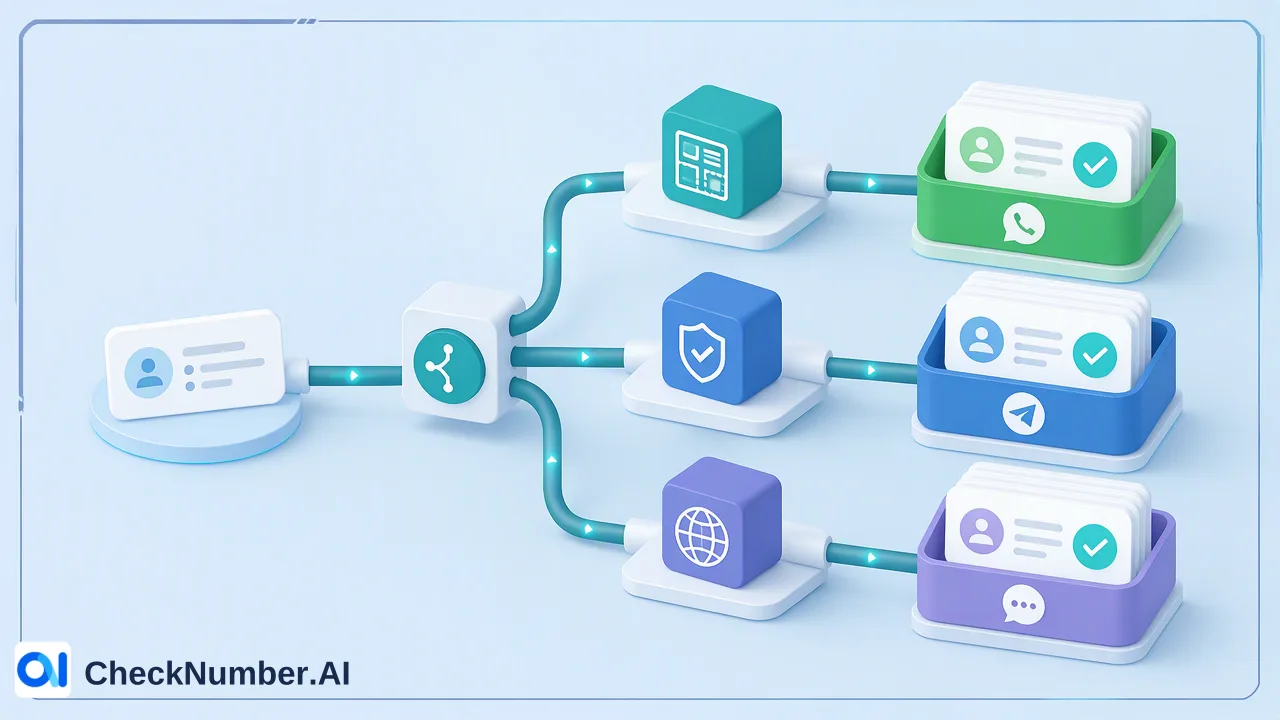
A pre-send contact list cleaning checklist establishes a systematic sequence to evaluate, clean, and enrich contact records before executing communications. The workflow begins with normalizing data formatting and deduplicating records across the dataset. Teams then run batch checks to evaluate phone-number validity, followed by querying platform-specific registration signals across target networks such as Gmail or Telegram. Finally, records are segmented using these signals to inform channel routing and outreach workflows. This structured preparation helps organizations avoid sending to redundant or unallocated numbers, supports routing precision, and informs list hygiene decisions.
1. Data Normalization and Deduplication
The initial phase of any contact list cleaning checklist focuses on formatting consistency and removing redundant entries within the dataset. * Standardize formatting: Phone numbers and email addresses frequently enter databases through varied collection channels, resulting in inconsistent conventions, extraneous spacing, and mixed international dialing prefixes. Standardizing these records ensures uniform syntax across every entry before downstream tools process them. * Deduplicate records: Duplicate entries lead to repeated processing, skewed campaign metrics, and redundant outreach attempts to the same individual. Identifying and merging identical records establishes a clean, unique baseline for the entire dataset. * Standardize custom fields: Ensure related metadata—such as account identifiers, team tags, or date attributes—follow standardized naming rules so records can be merged or segmented without structural mismatches.
2. Batch Phone-Number Validity Checking
Once formatting is consistent and duplicates are eliminated, the next step involves verifying core line status. * Execute bulk validity checks: CheckNumber.AI provides dedicated phone-number validation to batch-check phone-number validity for list cleaning before downstream workflows run. This process evaluates phone-number validity to identify unallocated, disconnected, or malformed numbers within the database. * Choose an operational workflow: Depending on your operational cadence, execute checks using list uploads or programmatic interfaces. CheckNumber.AI supports bulk workflows through CSV or TXT list uploads as well as direct REST API access. * Separate invalid records: Isolate phone numbers identified as invalid into a quarantine repository. Excluding invalid numbers early prevents unnecessary queries during subsequent platform-specific checking phases.
3. Applying Platform-Specific Registration Signals
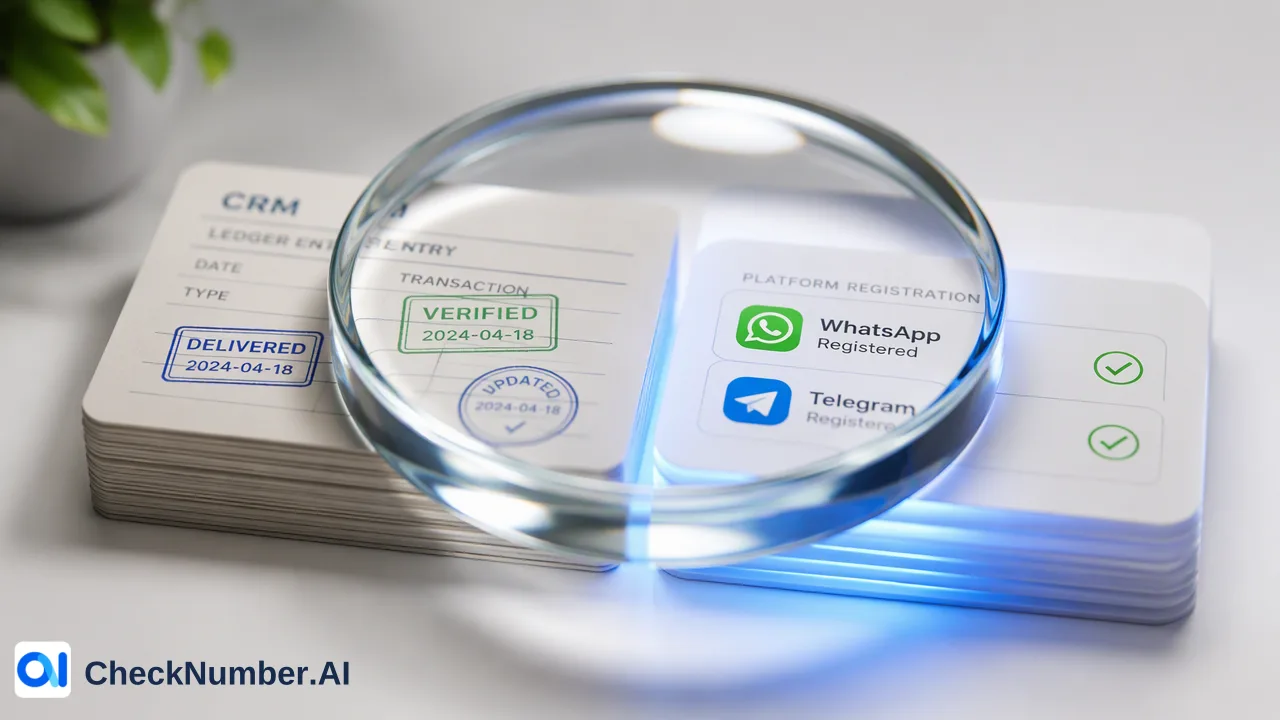
A phone number or email address that demonstrates basic validity may only be registered on select communication platforms. Applying platform-specific signals helps teams verify account presence on the exact channels intended for outreach. * Check email registration: CheckNumber.AI offers a Gmail Account Checker to determine whether email addresses are registered with Gmail. For deeper contact intelligence, the Gmail Avatar Checker evaluates whether email addresses are Gmail accounts and retrieves available avatar data. * Evaluate messaging platform presence: The Telegram Checker queries phone numbers to confirm whether they are registered with Telegram. For additional context, the Telegram Days Checker checks Telegram account presence and provides available activity or last-seen context, account-identifier data, and Premium-membership context. * Inspect public usernames when applicable: For workflows utilizing social handles, the Telegram Username Activity Checker evaluates Telegram usernames for registration and public profile information, including avatar data when available.
4. Final List Segmentation and Review
The final stage of the contact list cleaning checklist organizes enriched contacts into tailored cohorts based on the signals gathered. * Group by confirmed channel: Segment contacts according to the platforms where their registration signals are confirmed. Direct email workflows toward verified Gmail addresses and routing phone numbers with confirmed Telegram presence into dedicated messaging queues. * Leverage membership and profile context: Use auxiliary data—such as Premium membership or last-seen activity context from the Telegram Days Checker—to help teams prioritize outreach sequences or tailor communication templates. * Archive and export: Export the finalized segments into your delivery systems using clean CSV files or API endpoints. Retain unallocated numbers and non-registered records in internal suppression lists to inform future hygiene audits.
FAQ
Why incorporate platform-specific checks into list preparation?
While generic checks evaluate baseline validity, platform registration signals confirm whether an account presence exists on that specific network. This context helps teams determine which channel is appropriate for each record.
How do registration signals support campaign planning?
Registration signals indicate account presence on a destination service at the time of the query. Teams use these signals to segment contact lists into relevant channel buckets, directing email workflows to confirmed Gmail accounts or messaging campaigns to active Telegram registrations, which supports efficient operational planning.
What methods exist for executing bulk list checks?
Bulk checking workflows can be executed by uploading contact files in CSV or TXT format or by integrating directly via a REST API. This flexibility accommodates both scheduled, file-based list reviews and programmatic checks embedded into internal data pipelines.