CheckNumber.AI
 · 5 min read
Beyond the Prefix: Why Real-Time Carrier Validation is Essential for SMS Deliverability
Static phone number prefixes no longer reliably identify mobile networks due to Mobile Number Portability. Real-time carrier-based phone number validation helps organizations optimize SMS routing paths, manage delivery costs, and maintain accurate campaign analytics.

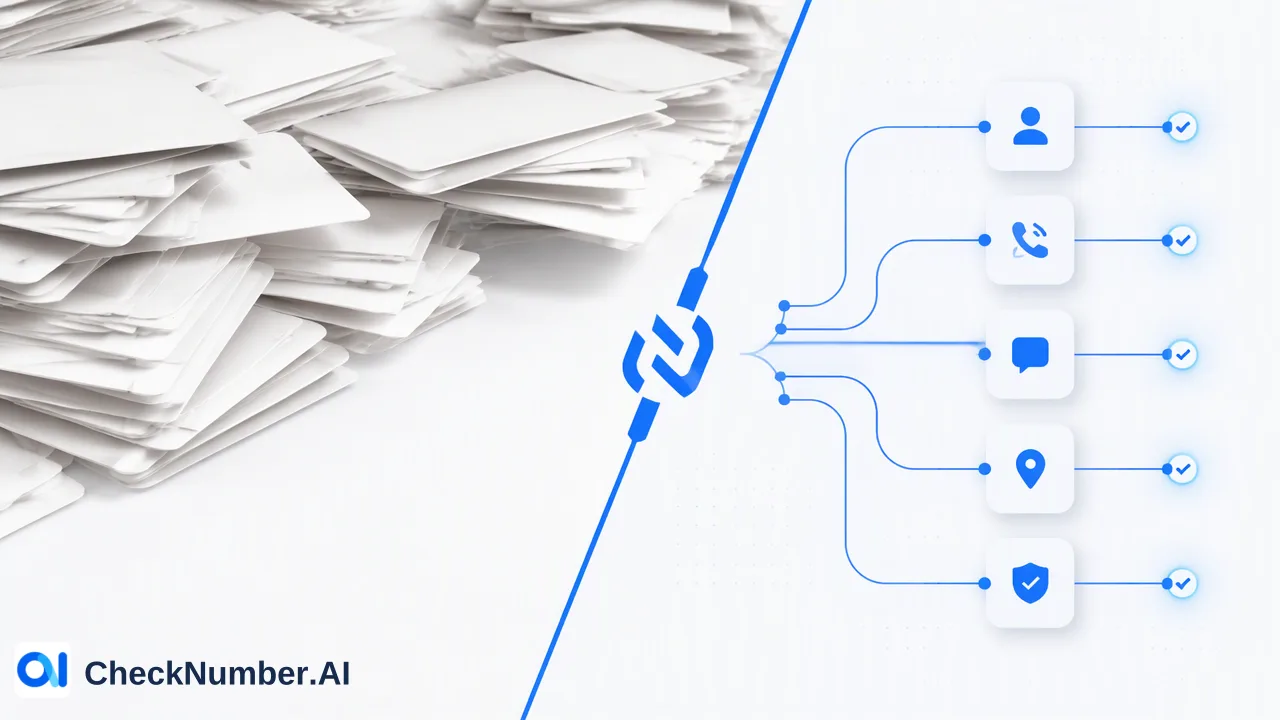
Mobile Number Portability (MNP) decouples phone numbers from their original network prefixes, making static prefix-based routing unreliable. Real-time carrier-based phone number validation identifies the current network provider, line type, and regional context of a destination number at check time. Incorporating dynamic carrier intelligence into messaging workflows helps organizations choose appropriate routing paths, mitigate preventable delivery failures, reduce misrouted message costs, and avoid skewed campaign performance metrics.
The End of the Prefix Era
For years, telecommunications routing relied on static national numbering plans where specific dial codes and initial digits corresponded directly to individual mobile network operators. If a number began with a certain prefix, routing systems assumed with high confidence which carrier operated the line. The widespread adoption of Mobile Number Portability (MNP) has fundamentally dismantled that assumption. MNP is a regulatory framework that allows mobile subscribers to retain their existing phone numbers when switching service providers. Because millions of consumers and businesses transfer their numbers between carriers while keeping their original digits, the prefix no longer serves as an accurate indicator of the underlying carrier. Relying on static lookup tables or legacy databases creates persistent blind spots. When numbers migrate from one provider to another, routing tables that depend solely on the initial digits point to the original issuing network rather than the current servicing carrier. As porting volumes continue to accumulate over time, static carrier attribution introduces systemic errors into outbound messaging pipelines.
The Hidden Costs of Inaccurate Routing
When organizations route SMS traffic without current network data, the operational consequences extend far beyond a technical mismatch. Inaccurate routing introduces practical challenges across messaging budgets, infrastructure performance, and campaign measurement. * Elevated Gateway and Transit Costs: Aggregators and network gateways often apply surcharges or intermediate transit fees when forced to reroute misdirected traffic to the actual recipient network. In some cases, senders are charged termination rates for the wrong network or billed repeatedly for retries across mismatched routes. This leads to delivery failures for critical transactional alerts, verification codes, or marketing announcements. * Skewed Campaign Analytics: Marketing and communications teams rely on aggregate delivery metrics to evaluate engagement and conversion rates. When messages fail silently or stall in gateway retry queues due to carrier mismatch, teams cannot distinguish between genuine user disinterest and underlying routing errors, obscuring true performance data.
Best Practices for SMS Data Hygiene
Implementing carrier-based phone number validation is most effective when integrated into a structured, multi-stage data hygiene pipeline. Querying carrier endpoints for malformed or completely inactive records consumes processing resources without generating actionable value. Organizations should structure list maintenance using a sequential workflow:
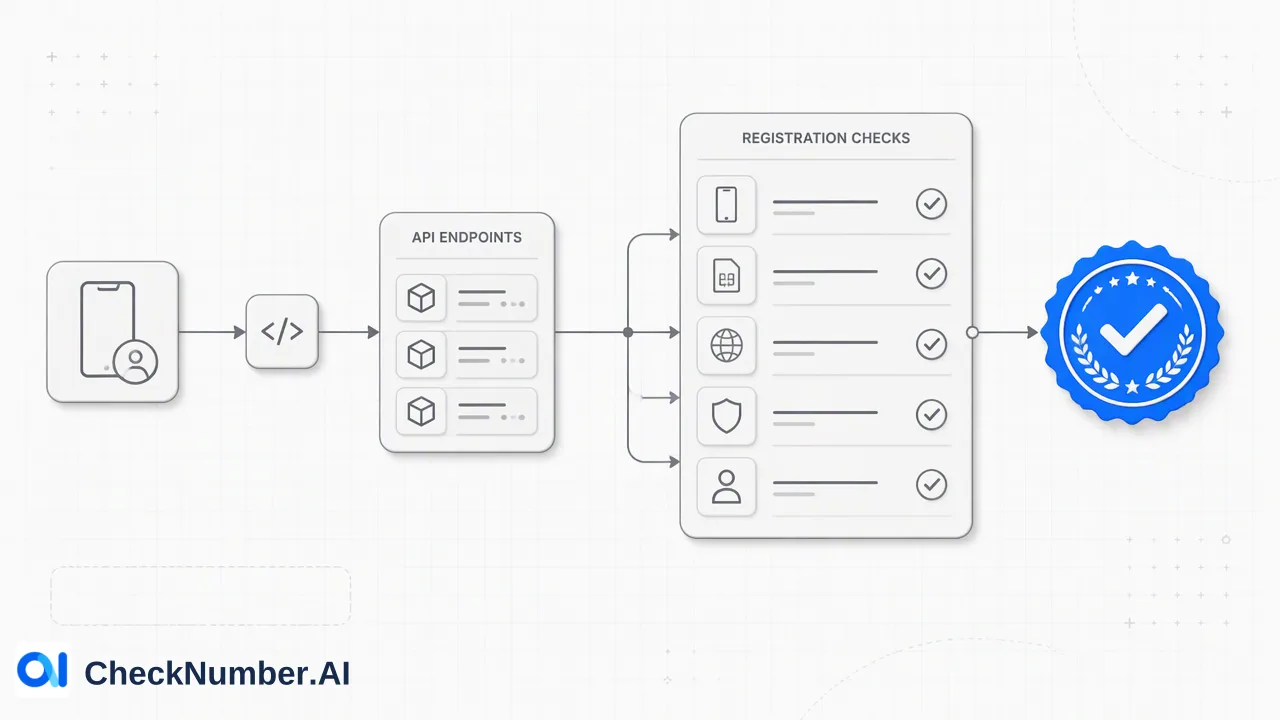
- Syntax Normalization and Format Verification: Verify that phone records conform to standardized international formats and numbering plans. This step removes incomplete strings, invalid characters, and structural errors. 2. Validity Screening: Apply batch phone number validation to screen out inactive or non-existent numbers before routing checks. CheckNumber.AI supports batch list cleaning through CSV or TXT file uploads as well as programmatic REST API access, helping teams filter records before downstream operations. 3. Carrier and Line-Type Inspection: Once records are normalized and filtered for validity, run carrier validation to identify the current mobile network, line type (such as mobile, landline, or VoIP), country, and regional context. 4. Periodic List Re-validation: Phone lists are dynamic. Subscribers continually switch carriers, deactivate numbers, or reassign accounts. Establishing a periodic re-validation routine for historical contact records helps organizations maintain database accuracy over time.
Leveraging Real-Time Carrier Intelligence
Modern communication systems require dynamic carrier intelligence to navigate the complexities of global telecommunications networks. Tools like the Global Carrier Checker on CheckNumber.AI provide critical metadata by identifying the active carrier, line type, country, and regional context for phone numbers across supported countries. | Signal Dimension | Operational Information Provided | Downstream Technical Value | | :--- | :--- | :--- | | Current Carrier | Identifies the active network provider handling the subscriber’s line | Informs direct SMS routing paths and helps reduce unnecessary transit hops | | Line Type | Differentiates mobile, landline, VoIP, and other line classifications | Prevents sending SMS to non-SMS-capable endpoints such as fixed landlines | | Country & Region | Confirms geographic context and international dial codes | Supports compliance with local messaging regulations and sender ID rules | Carrier intelligence should be deployed strictly within its operational scope. Carrier data is designed to optimize routing mechanics, select appropriate transmission protocols, and manage technical delivery efficiency. It should not be treated as a proxy for lead quality, creditworthiness, or user purchase intent. When used alongside established data hygiene practices, real-time carrier validation provides the network-level visibility teams need to run efficient, data-driven messaging programs.
FAQ
Why does SMS routing fail despite using numbers with valid prefixes?
A valid prefix only reflects the original block of numbers assigned to an operator when the range was created. Through Mobile Number Portability (MNP), subscribers frequently migrate their numbers between networks while keeping the exact same digits. If an organization routes messages based on static prefix tables, the delivery request is sent to the legacy network rather than the active provider, which often leads to dropped messages, extra intermediary hops, or delivery failures.
How often should organizations re-validate their contact lists?
Contact databases degrade over time as subscribers switch mobile operators, change line types, or abandon numbers. Organizations should conduct periodic re-validation of historical lists on a schedule aligned with campaign cadence or internal data governance cycles. Routine re-checking helps keep carrier, country, and line-type records aligned with current network realities before initiating major outbound communication efforts.
What is the difference between format validation and carrier detection?
Format validation focuses on syntax and structural normalization, verifying whether a string of digits conforms to standard numbering plans such as E.164. In contrast, carrier detection inspects network-level attributes in real time, identifying the active carrier, line type, country, and regional context. While format checks confirm that a number looks valid syntactically, carrier intelligence reveals which network currently services that number.