CheckNumber.AI
 · 5 min read
Streamlining B2B Cold Outreach: Automating Platform-Specific Lead Qualification with Bulk API Signals
Discover how B2B teams can use bulk API signals to qualify leads by verifying platform-specific presence. Learn to leverage registration, activity, and enrichment data to improve outreach segmentation and operational efficiency.
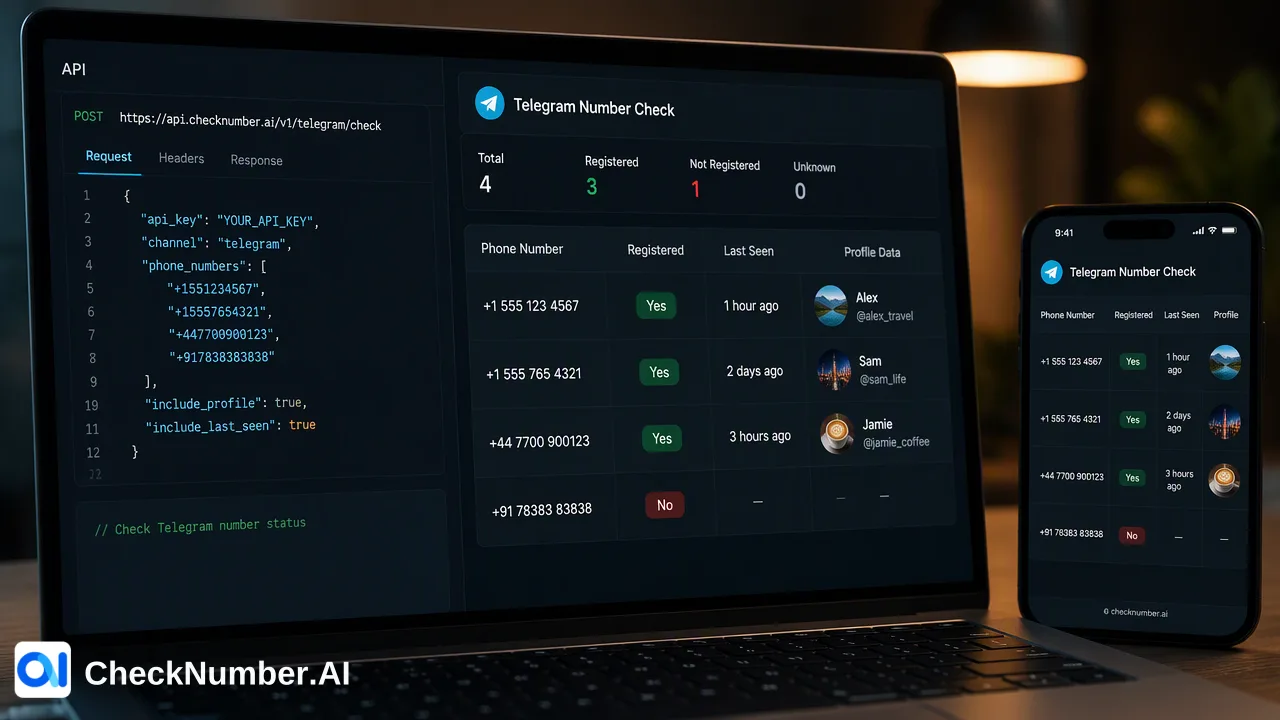
An automated phone number validation API helps B2B teams qualify leads by confirming platform presence before initiating outreach. By utilizing bulk API signals—such as registration status, activity signals, and profile enrichment—organizations can segment their contact lists to focus on relevant accounts. This data-driven approach supports more efficient communication strategies, helps marketing operations professionals prioritize active channels, and informs internal decisions regarding outreach workflows.
The Challenge of Modern B2B Outreach
B2B sales managers and marketing operations professionals frequently manage large volumes of contact data. When outreach campaigns are executed without prior list qualification, teams often expend resources attempting to contact numbers that are not registered on the intended communication platforms. This lack of visibility into account presence creates friction in the outreach process and complicates audience segmentation. Outreach efficiency depends heavily on accurate list segmentation. Without understanding which contacts are active on specific channels, organizations struggle to tailor their communication strategies effectively. Implementing an automated phone number validation API helps teams review their contact lists systematically, providing the necessary context to route leads to the most appropriate outreach workflows.
Understanding Platform-Specific Signals
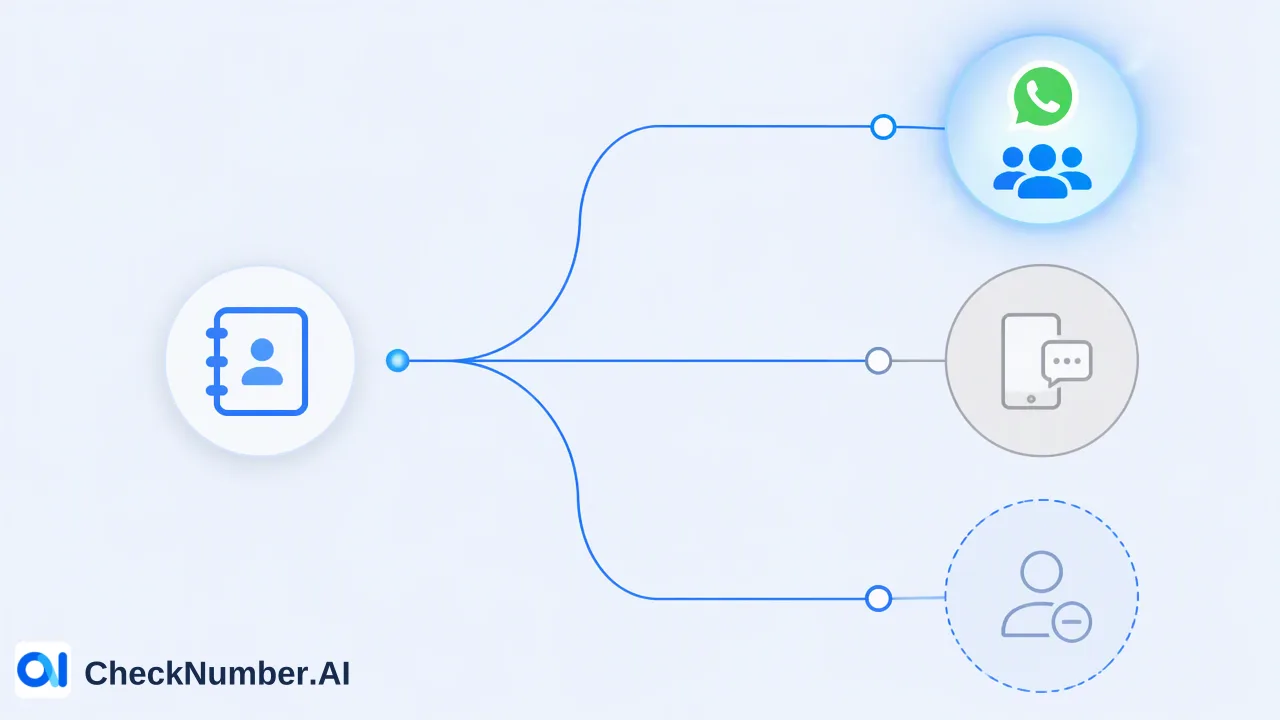
Effective lead qualification relies on distinct types of data points, each serving a specific role in the segmentation process. Understanding the differences between these signals helps outreach strategists build more informed workflows. Platform Registration Signals A platform registration signal indicates whether a specific phone number is associated with an account on a target platform. This is the foundational data point for channel-specific outreach, confirming basic account presence. For instance, identifying iMessage registration supports iOS and Apple ecosystem audience segmentation, which informs iMessage-focused outreach planning. Activity Signals While registration confirms an account exists, an activity signal provides context on account usage. This data typically includes last-seen status or recent activity signals, helping teams gauge the recency of a contact’s platform presence. Profile Enrichment Profile enrichment involves retrieving available demographic or profile-related information associated with a registered account. This can include available usernames, avatars, or other public profile details, which contributes to more granular audience segmentation.
Telegram Checkers and Capability Scopes
CheckNumber.AI provides specific checkers designed to retrieve varying levels of data for Telegram. Each checker is scoped to distinct high-level capabilities, allowing teams to select the exact signal required for their workflow.
- Telegram Checker: This standard check focuses on platform registration. It provides the platform registration signal, an account identifier signal (such as an available username), and a membership signal indicating Premium-membership context.
- Telegram Days Checker: For workflows that require recency context, this checker includes all the capabilities of the standard check while adding an activity signal. This provides available activity or last-seen context to help teams understand recent account presence.
- Telegram Avatar, Age, Gender & Others Checker: This comprehensive checker is designed for detailed segmentation. In addition to registration, activity, and membership signals, it provides available profile and demographic enrichment. By keeping these capabilities distinct, organizations can align their API requests with their specific data requirements, ensuring they only process the signals necessary for their current outreach strategy.
Streamlining Workflows with Bulk API Integration
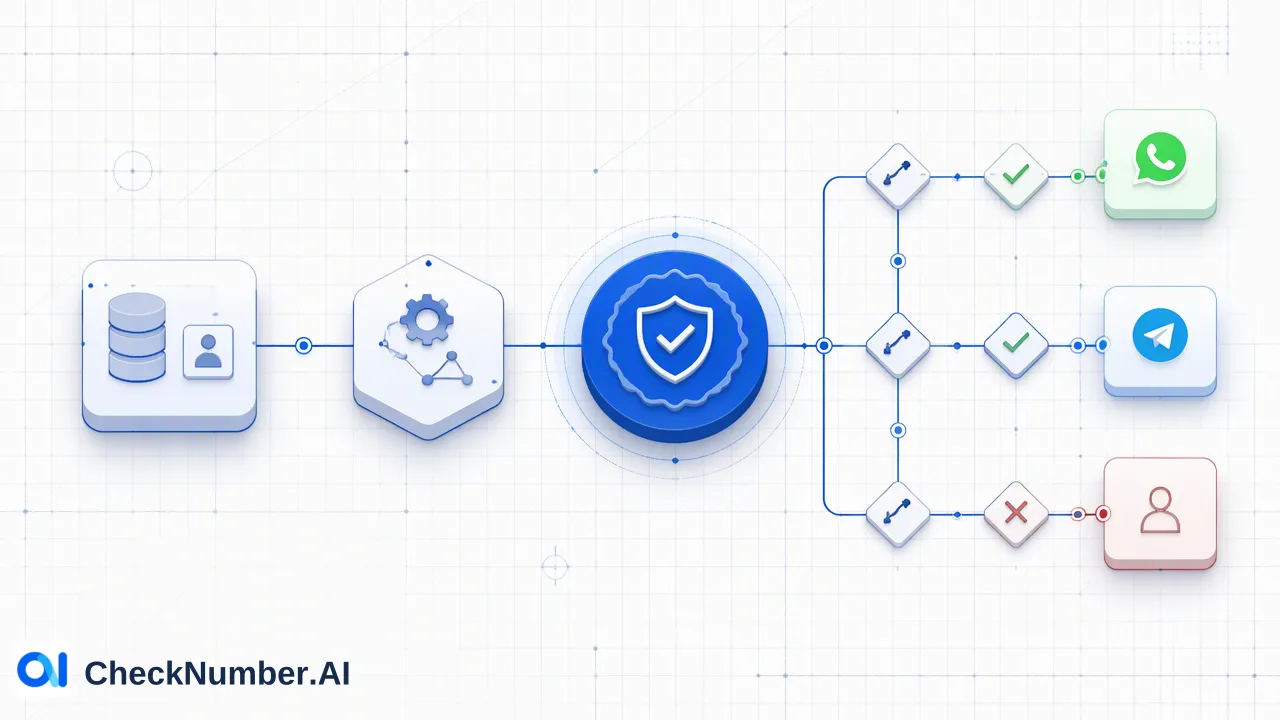
Processing large lead lists manually is impractical for modern B2B operations. CheckNumber.AI addresses this by making the core workflow the bulk checking of supported phone-number or email lists. This infrastructure allows marketing operations professionals to validate extensive contact databases efficiently. Bulk workflows support two primary methods of data ingestion. Teams can utilize CSV or TXT list uploads for straightforward, batch-based processing. Alternatively, organizations can integrate directly via REST API access. Utilizing an automated phone number validation API allows for programmatic list qualification, enabling systems to request platform signals as new leads enter the database. This integration supports continuous list hygiene and ensures that outreach teams are working with updated account presence data.
Best Practices for Platform Segmentation
Integrating platform-specific signals into B2B workflows requires a structured approach to segmentation. First, use registration signals to filter out numbers that are not present on the target platform. This immediate segmentation step helps focus resources on contacts with confirmed account presence. Next, apply activity signals to prioritize outreach. Contacts with recent last-seen context can be routed to immediate outreach queues, while those lacking recent activity signals may warrant alternative communication methods or secondary checks. Finally, incorporate available profile enrichment data to tailor the outreach approach. Demographic and membership signals can be one input alongside other internal checks to refine messaging. By systematically applying these bulk API signals, B2B organizations can build highly segmented lists that support more relevant and efficient outreach campaigns.
FAQ
What is the difference between a registration signal and an activity signal?
A registration signal confirms whether a specific phone number is associated with an account on a target platform. An activity signal provides additional context regarding the recent usage or last-seen status of that account, helping teams understand account presence beyond initial registration.
How does profile enrichment help in B2B segmentation?
Profile enrichment retrieves available demographic or profile-related information associated with a registered account. This data can be one input alongside other checks to help outreach strategists tailor their messaging and segment audiences based on available profile characteristics.
What data formats are supported for bulk list processing?
The core workflow for bulk checking supports processing contact lists through direct CSV or TXT file uploads, as well as programmatic integration via REST API access.