CheckNumber.AI
 · 4 min read
From Raw Lists to High-Conversion Audiences: A Framework for WhatsApp Data Hygiene
A systematic framework for WhatsApp data hygiene that leverages format standardization, platform verification, and audience segmentation to support efficient marketing outreach.
Effective WhatsApp marketing relies on a rigorous data hygiene framework. By standardizing contact formats, verifying platform registration, and segmenting audiences based on activity signals, organizations can significantly improve campaign efficiency. A systematic approach to WhatsApp marketing list cleanup ensures that outreach efforts are directed toward active accounts, reducing wasted resources and supporting overall engagement metrics. This process transforms raw contact lists into structured data, providing teams with the necessary context to prioritize outreach and maintain long-term CRM health.
The Strategic Importance of WhatsApp Data Hygiene
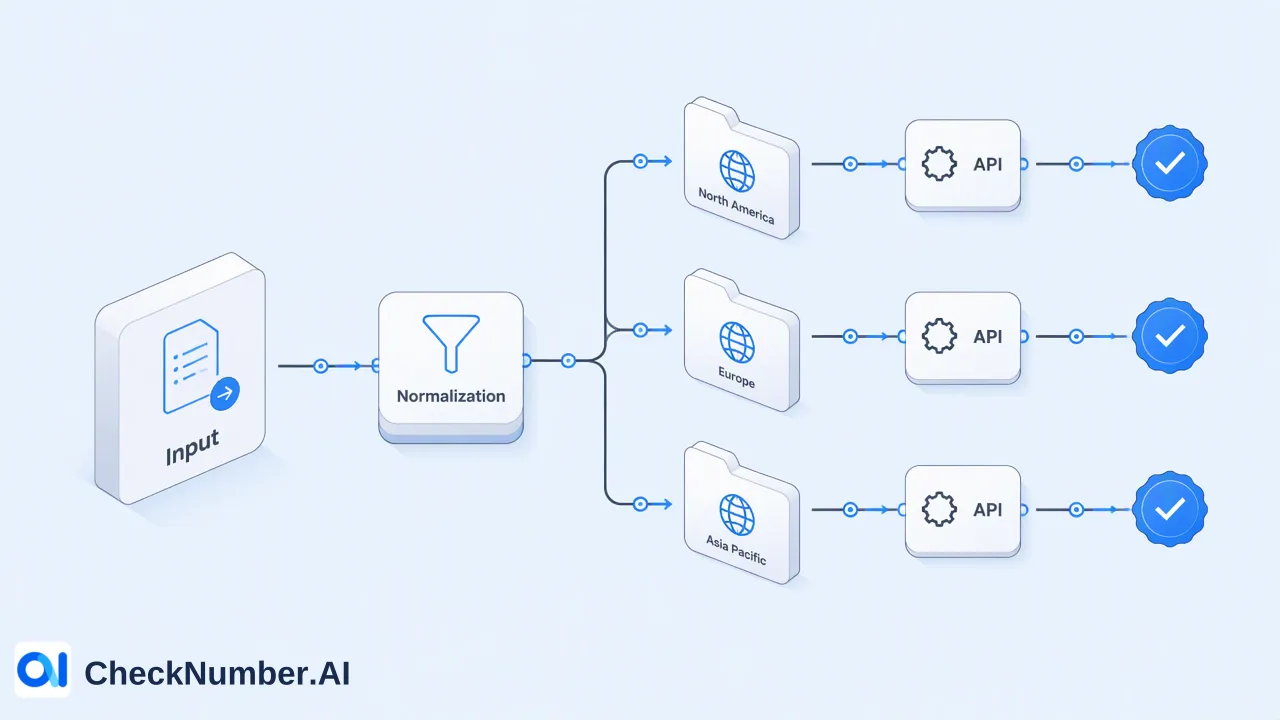
Data hygiene is the foundation of high-conversion WhatsApp campaigns. When organizations collect contact information from multiple channels, the resulting raw lists often contain inconsistencies, duplicates, and formatting errors. The systematic process of maintaining accurate, active, and relevant contact lists is necessary to support efficient messaging workflows. The first step in list preparation is standardizing international phone number formats before verification. Normalization checks ensure that all numbers conform to a uniform structure, which is a prerequisite for accurate platform-registration checks. Without standardized formats, valid contacts might be misclassified or fail subsequent verification steps. Alongside formatting, deduplication and source tracking are critical for sales team efficiency. Removing duplicate entries prevents redundant outreach, which can frustrate recipients and waste operational resources. Tracking the original source of each contact provides teams with context for how the lead was acquired, informing future segmentation and messaging strategies.
Beyond Raw Lists: The Role of Platform Verification
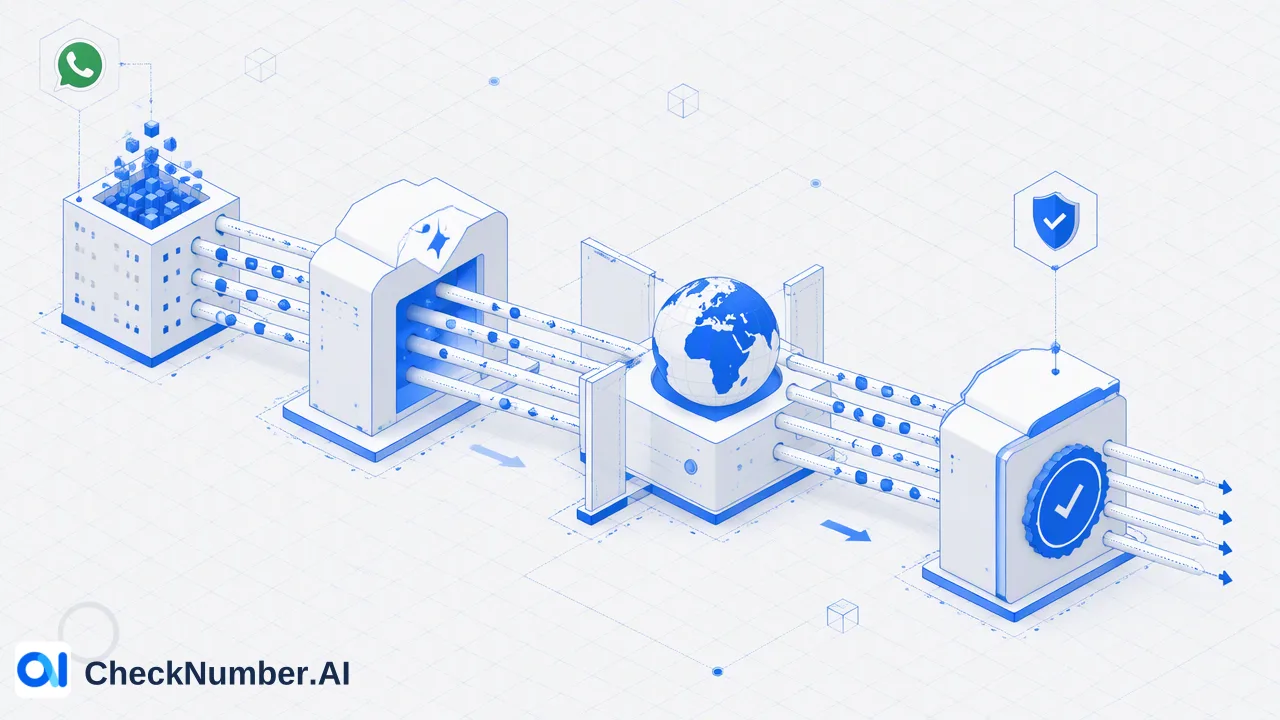
Once a list is standardized and deduplicated, the next phase of WhatsApp marketing list cleanup involves confirming that the phone numbers are actually registered on the platform. Platform-specific verification confirms account presence at the time of the check. Registration status is a prerequisite for effective outreach planning, as it identifies which contacts have an account on the target platform. CheckNumber.AI provides bulk checking workflows that support CSV or TXT list uploads, as well as REST API access, to streamline this process. Using the WhatsApp Days Checker, organizations can check WhatsApp account presence at scale. However, confirming this baseline presence helps teams filter out unregistered numbers before initiating campaigns, thereby supporting more efficient resource allocation and reducing the volume of undeliverable messages sent through the platform.
Segmentation Strategies for Better Engagement
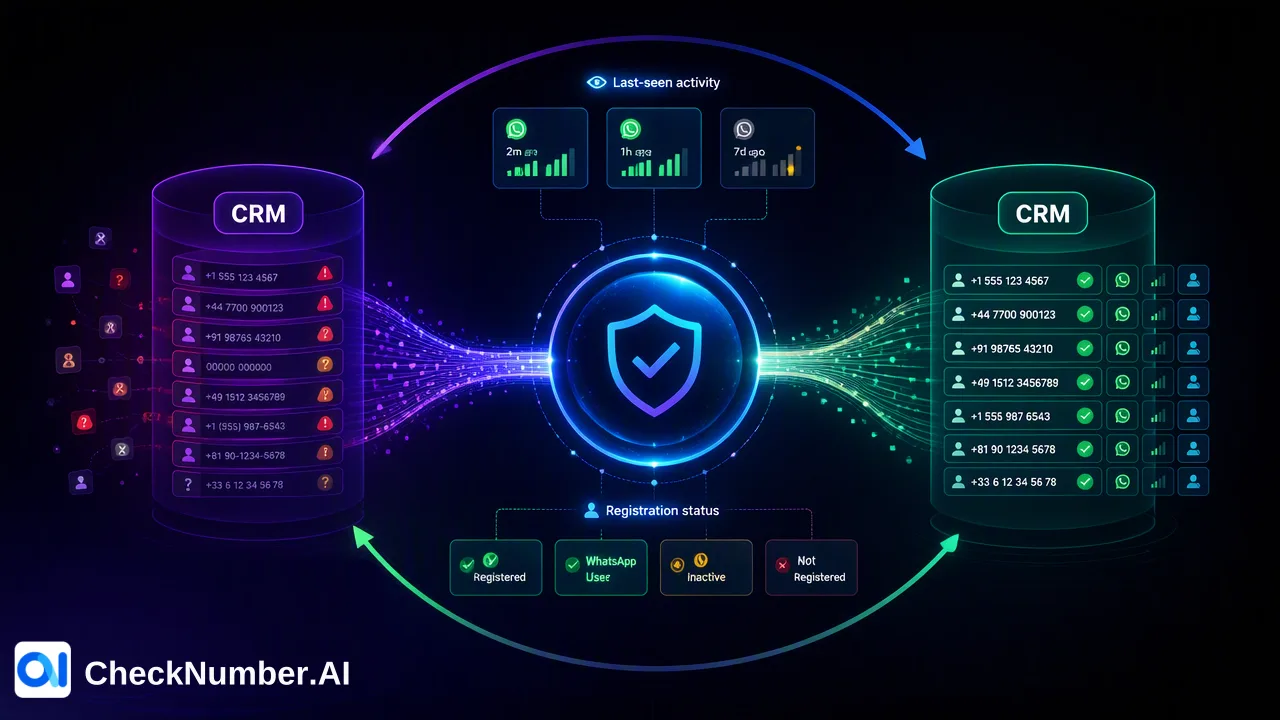
Effective WhatsApp outreach requires a systematic process of data cleaning, platform-specific registration verification, and audience segmentation. After verifying account presence, organizations can use additional signals to categorize their audiences. Distinguishing between registration status and activity signals improves prioritization. Registration status confirms account presence, while lead quality requires additional context like activity signals to indicate potential engagement readiness. The WhatsApp Days Checker provides available activity or last-seen context, plus available business-account and profile context. By segmenting lists based on these platform activity signals, teams can prioritize high-value users for immediate outreach. Furthermore, source-based segmentation allows for tailored messaging strategies and improves response rates compared to generic bulk messaging. When teams tailor their messaging based on the contact’s origin and available profile enrichment data, the outreach becomes more relevant to the recipient. This structured segmentation supports review workflows and informs internal decisions on how to route or tier different audience segments.
Maintaining Hygiene: The CRM Feedback Loop
WhatsApp marketing list cleanup is not a one-time task; it requires an ongoing operational workflow. Feeding verification results back into the CRM maintains long-term data health. When organizations update their internal databases with the latest platform-registration signals and profile context, they ensure that sales and marketing teams are working with current information. Regular list cleaning prevents the accumulation of inactive contacts over time. As users change phone numbers or leave the platform, previously registered accounts may become inactive. By establishing a continuous feedback loop between the bulk checking service and the CRM, organizations can systematically archive unregistered numbers and update activity signals. This ongoing maintenance supports accurate reporting, informs future campaign planning, and helps teams maintain a streamlined, highly relevant contact database that supports sustained marketing efficiency.
FAQ
Why is data hygiene critical for WhatsApp marketing?
Data hygiene is the foundation of high-conversion WhatsApp campaigns. The systematic process of maintaining accurate, active, and relevant contact lists helps organizations direct their outreach efforts toward active accounts. By standardizing international phone number formats, removing duplicates, and verifying platform registration, teams can reduce wasted resources and support overall campaign efficiency.
What is the difference between registration status and lead quality?
Registration status confirms account presence on the platform at the time of the check, indicating that a number is registered to a WhatsApp account. Lead quality, however, requires additional context like activity signals, source tracking, and user intent.
How does segmentation improve response rates?
Source-based segmentation allows for tailored messaging strategies rather than generic bulk messaging. By categorizing audiences using available activity context, business-profile signals, and original acquisition sources, organizations can prioritize high-value users. This targeted approach helps teams deliver more relevant content, which supports better engagement and informs internal prioritization decisions.