CheckNumber.AI
 · 5 min read
What Is Mobile Number Portability (MNP)?
Learn what Mobile Number Portability (MNP) is, how it decouples phone numbers from carriers, and why periodic carrier intelligence updates are necessary.
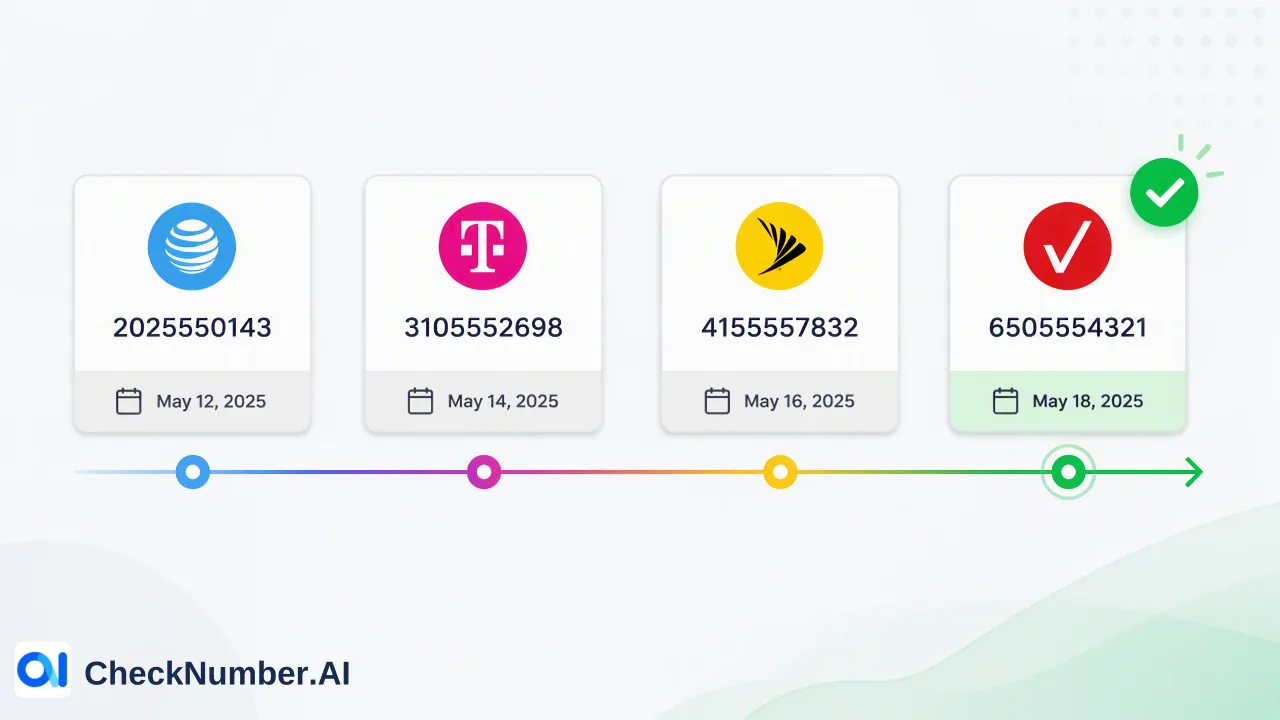
Mobile Number Portability (MNP) is a regulatory mechanism and technical process that allows mobile subscribers to keep their existing phone number when switching between different telecommunications carriers. Because MNP decouples a phone number from its original network provider, the carrier associated with any given number can change over time while the ten-digit number itself remains constant. This decoupling means that static carrier-to-number associations eventually become obsolete, necessitating regular data updates to ensure contact information and routing intelligence remain accurate.
Defining Mobile Number Portability
Mobile Number Portability (MNP) is a service that enables mobile phone users to retain their mobile telephone numbers when changing from one mobile network operator to another. Historically, phone numbers were permanently tied to the specific telecommunications provider that issued them. If a user wanted to change their service provider, they were required to adopt a completely new phone number. The introduction of MNP fundamentally changed this dynamic by decoupling the phone number from the underlying carrier infrastructure. For example, a user can move their service from a regional carrier to a national provider while keeping the exact same 10-digit number. This regulatory and technical shift supports market competition by removing the friction of updating contacts, but it introduces complexity for organizations that rely on accurate network routing data. Because the number no longer dictates the network, organizations cannot rely on the original prefix or historical data to determine which carrier currently services the line.
Why MNP Matters for Data Management
The primary impact of Mobile Number Portability on business operations is that carrier associations are not static. When a subscriber ports their number to a new network, the routing requirements for that number change immediately. Organizations managing large contact databases often capture carrier information at the point of initial data entry. However, due to MNP, that static data degrades over time. Maintaining accurate contact data requires periodic carrier intelligence updates. If an organization attempts to route communications or apply network-specific logic based on outdated carrier associations, those workflows may fail or operate inefficiently. Regular carrier intelligence checks help teams review the current network provider for a given number, supporting accurate routing and list segmentation. Because MNP renders static carrier-to-number associations obsolete, organizations must treat carrier identification as a dynamic data point that requires ongoing maintenance rather than a one-time verification step.
Carrier Intelligence vs. Platform Registration
When updating contact databases, organizations must distinguish between carrier intelligence and platform registration signals. These are distinct concepts that serve different operational purposes. Carrier intelligence identifies the underlying telecommunications network provider currently servicing a phone number, along with the line type, country, and regional context. This data is directly impacted by Mobile Number Portability, as the carrier can change while the number remains the same. Products like the Global Carrier Checker and Advanced US Carrier Checker provide this specific carrier intelligence and location signal. In contrast, platform registration signals identify account-related presence on specific messaging services, such as RCS or Google Messages. A platform registration signal confirms that a number is registered with a specific application or ecosystem; it does not identify the underlying mobile network operator. Organizations evaluating risk or verification workflows should use carrier intelligence to understand network-level routing and platform registration signals to understand application-level account presence, recognizing that neither signal serves as proof of user identity.
Maintaining Contact Accuracy
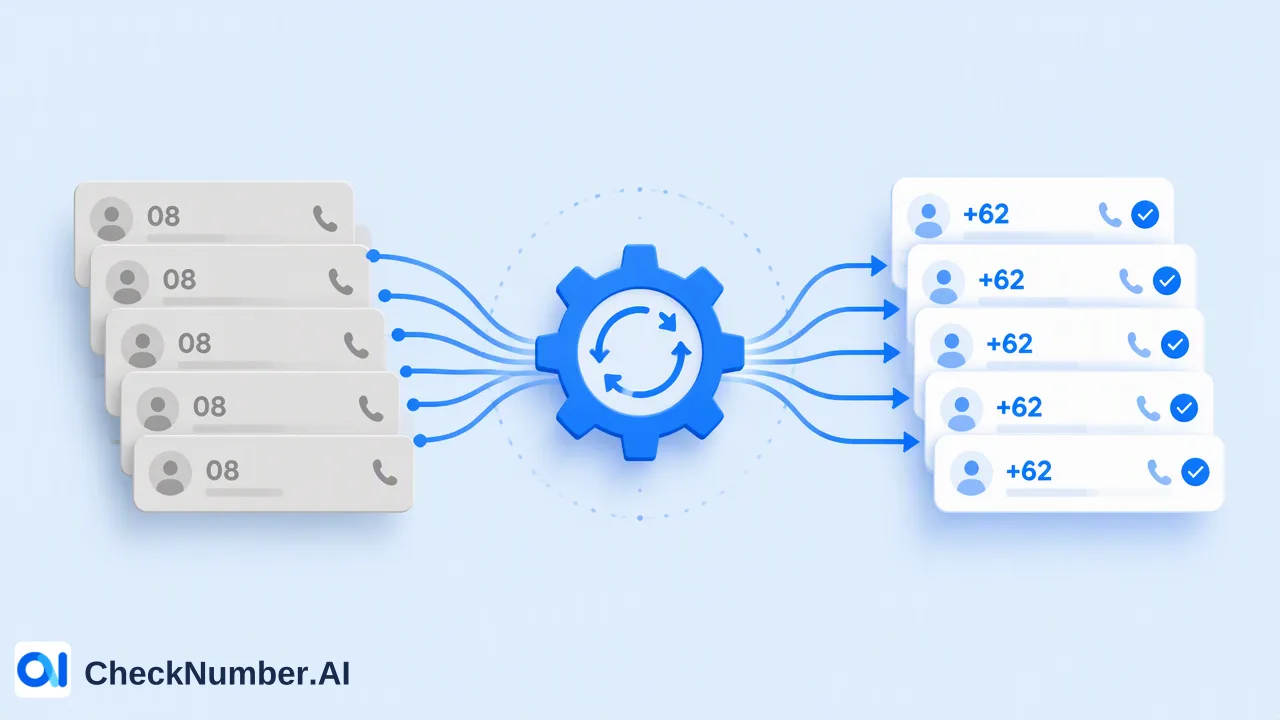
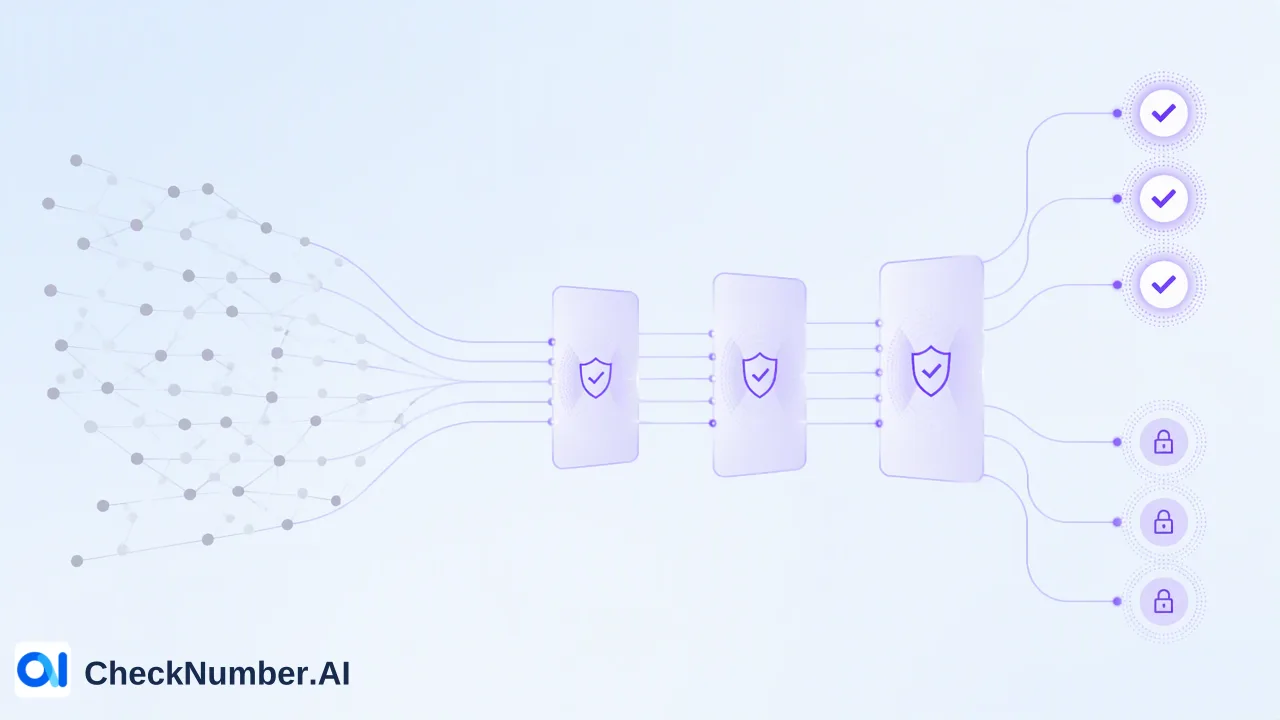
To manage the ongoing changes introduced by Mobile Number Portability, organizations utilize bulk checking workflows to process contact lists for carrier identification. Bulk checking supports the systematic review of large databases, helping teams identify which numbers have been ported to new networks since their last update. These workflows typically support CSV or TXT list uploads, allowing teams to process multiple records simultaneously. For automated environments, REST API access provides a programmatic method to query carrier intelligence. By integrating bulk checking into regular data hygiene practices, organizations can systematically update their records to reflect the current carrier for each phone number. This ongoing maintenance informs internal decisions regarding network routing and helps teams maintain accurate contact intelligence despite the continuous movement of subscribers between telecommunications providers.
FAQ
Does MNP change the phone number itself?
No, Mobile Number Portability does not change the phone number. MNP is specifically designed to allow a subscriber to keep their existing phone number while changing their telecommunications service provider. The carrier associated with the number changes, but the digits remain constant.
How often should contact lists be updated to account for MNP?
Because subscribers can port their numbers at any time, static carrier associations become obsolete. Organizations should perform periodic carrier intelligence updates using bulk checking workflows to ensure their contact data reflects the most current network provider for each number.
Is carrier intelligence the same as platform registration?
Carrier intelligence is distinct from platform registration. Carrier intelligence identifies the telecommunications network provider currently servicing the number. Platform registration signals identify account-related presence on specific messaging services (such as RCS) and do not provide underlying network routing data.