CheckNumber.AI
 · 4 min read
Snapchat Contact Discovery: A Framework for Filtering Reachable Accounts
A practical guide to Snapchat contact discovery, explaining how user privacy settings affect reachability and how bulk registration checks optimize list hygiene.
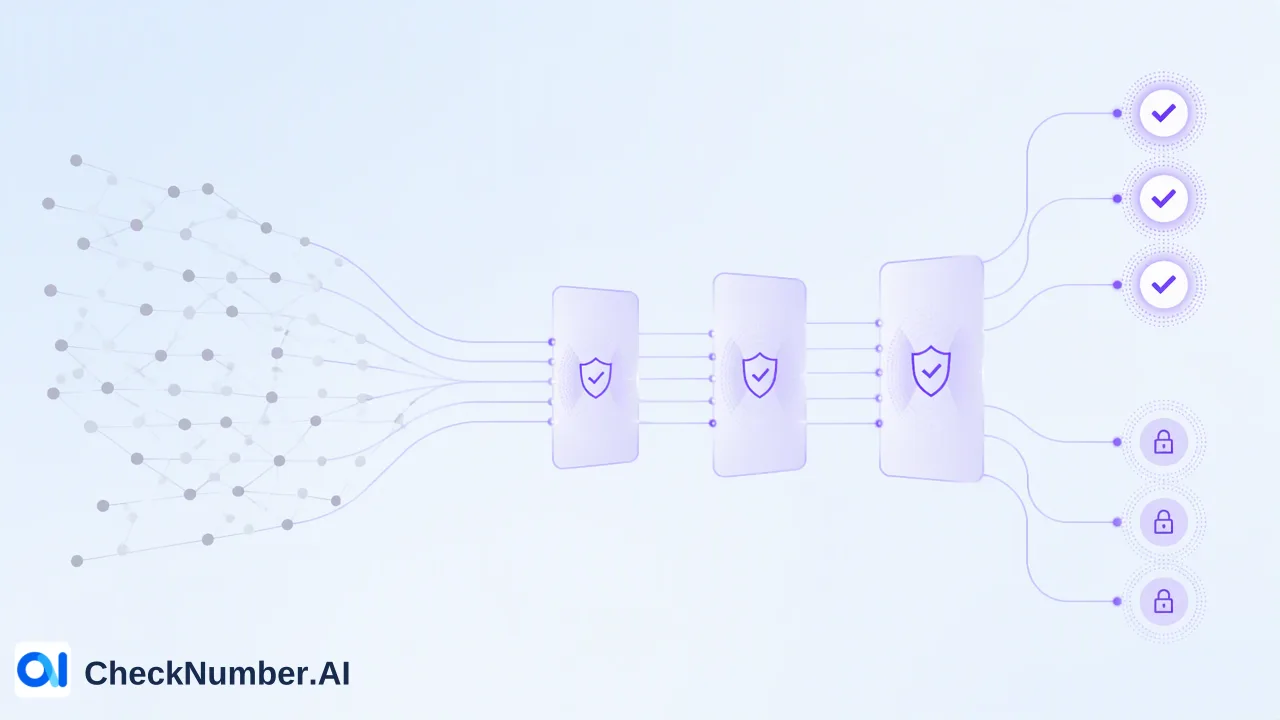
Snapchat contact discovery is the process of identifying which phone numbers in a contact list correspond to registered, reachable accounts on Snapchat. On Snapchat, general phone-number validity does not equate to platform reachability. Individual user privacy configurations govern whether an account permits contact discovery via mobile number. By utilizing bulk platform-registration checks prior to initiating outreach or support workflows, organizations can isolate reachable accounts, filter out non-discoverable records, and focus resources on responsive list segments.
The Distinction Between Platform Registration and Searchable Reachability
Managing outreach across social platforms requires understanding the difference between a functional mobile line and an accessible platform user. In standard telecommunications, line validity confirms that a number adheres to formatting standards and connects to an active carrier network. On Snapchat, reachability requires an additional layer: account registration combined with discoverability permissions.
Snapchat provides user controls that determine whether an account can be matched to a phone number. Even when an account is linked to an active number, user privacy preferences may restrict contact searchability. If an account holder configures their profile to remain unsearchable via phone, external contact discovery tools and standard lookup routines will return an unreachable status. Consequently, treating every validated phone number as reachable on Snapchat creates friction, increases false assumptions in campaign planning, and dilutes outbound effectiveness.
Evaluating platform presence at check time establishes whether a target contact exists as a discoverable recipient, providing an empirical baseline for list readiness.
Operational Bottlenecks in Manual Contact Searching
Manual contact lookup involves inputting phone numbers individually into an interface to observe whether a profile populates. While feasible for low-volume checks, this practice becomes unsustainable when managing operational or marketing datasets containing thousands of contacts.
Manual verification introduces several operational challenges:
- Throughput Constraints: Searching individual records by hand demands substantial labor hours, delaying campaign launches and diverting staff from core activities.
- Error Vulnerability: Human data entry frequently introduces transcription mistakes, leading to misclassified contacts and missed discovery opportunities.
- Inconsistent Auditing: Manual checks lack centralized logs, making it difficult to record check times or export structured results back into customer relationship management (CRM) systems.
Automating this verification via bulk workflows transforms contact discovery from a speculative manual task into a structured data-hygiene routine.
A Batch-Processing Framework for List Hygiene
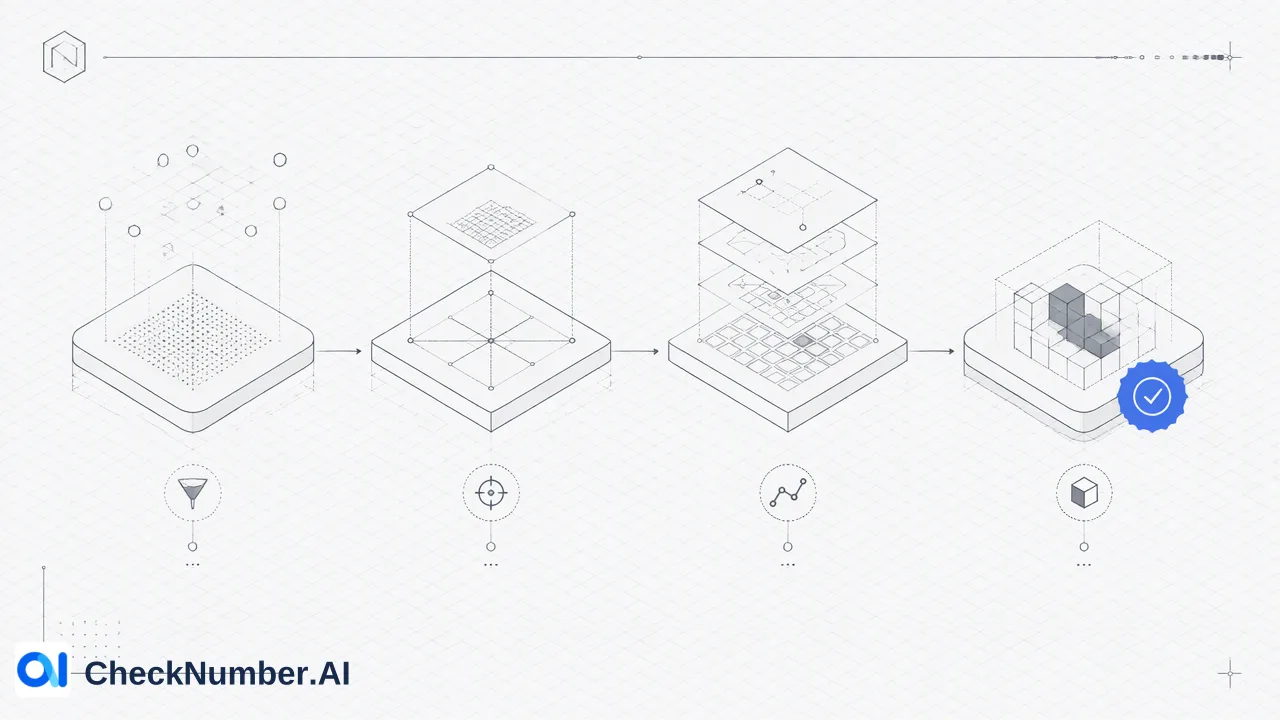
Implementing a structured pre-campaign hygiene framework helps organizations isolate reachable Snapchat accounts systematically. Rather than deploying unchecked lists directly into outreach workflows, teams can apply a multi-stage validation process:
- Standardization and Syntax Cleaning: Before querying platform status, phone lists benefit from initial normalization. Using tools like Number Cleaner standardizes numbers to E.164 formatting and removes duplicates and invalid entries before further evaluation.
- List Structuring: CheckNumber.AI bulk processing supports CSV or TXT list uploads structured with one country per file and one number per line with the country code included, where the plus sign is optional.
- Batch Signal Evaluation: Uploading structured lists to the Snapchat Checker generates platform-registration signals across the dataset, indicating account presence at check time.
- Audience Segmentation: Segregating results into verified platform accounts and unverified numbers allows teams to focus specialized social workflows solely on discoverable endpoints.
This framework ensures that data sets are refined systematically, saving operational time and preserving communication infrastructure.
Applying Registration Signals to Outreach Workflows
A platform-registration signal provides a reachability indicator at check time, serving as an operational filter rather than a comprehensive behavioral profile. Understanding how to apply this signal responsibly ensures balanced decision-making across teams.
Registration data informs channel selection. When a record confirms Snapchat registration, organizations can prioritize that contact for platform-specific interactions or customer support routing. Conversely, records that do not show platform presence can be routed to alternative channels such as SMS or email, avoiding stalled outbound tasks.
Teams should maintain clear governance when interpreting these results. Organizations must ensure that any communication complies with relevant consent standards, using registration signals purely as technical context for workflow efficiency and data hygiene.
FAQ
Why are some valid phone numbers not discoverable on Snapchat?
A phone number can be active on a cellular network while remaining undiscoverable on Snapchat. If an individual has disabled the platform setting that allows others to find them via phone number, or if the number was never registered with the service, the account will not appear during contact lookup.
How do bulk registration signals improve campaign preparation?
Bulk checking allows teams to evaluate thousands of numbers simultaneously using CSV or TXT file uploads. This isolates discoverable accounts ahead of time, ensuring teams allocate operational resources exclusively to verified, platform-specific endpoints.