CheckNumber.AI
 · 4 min read
Beyond Registration: Using Viber Avatar Signals for Audience Segmentation
Discover how Viber avatar signal enrichment and demographic data help organizations move beyond binary account checks to build high-value audience segments.
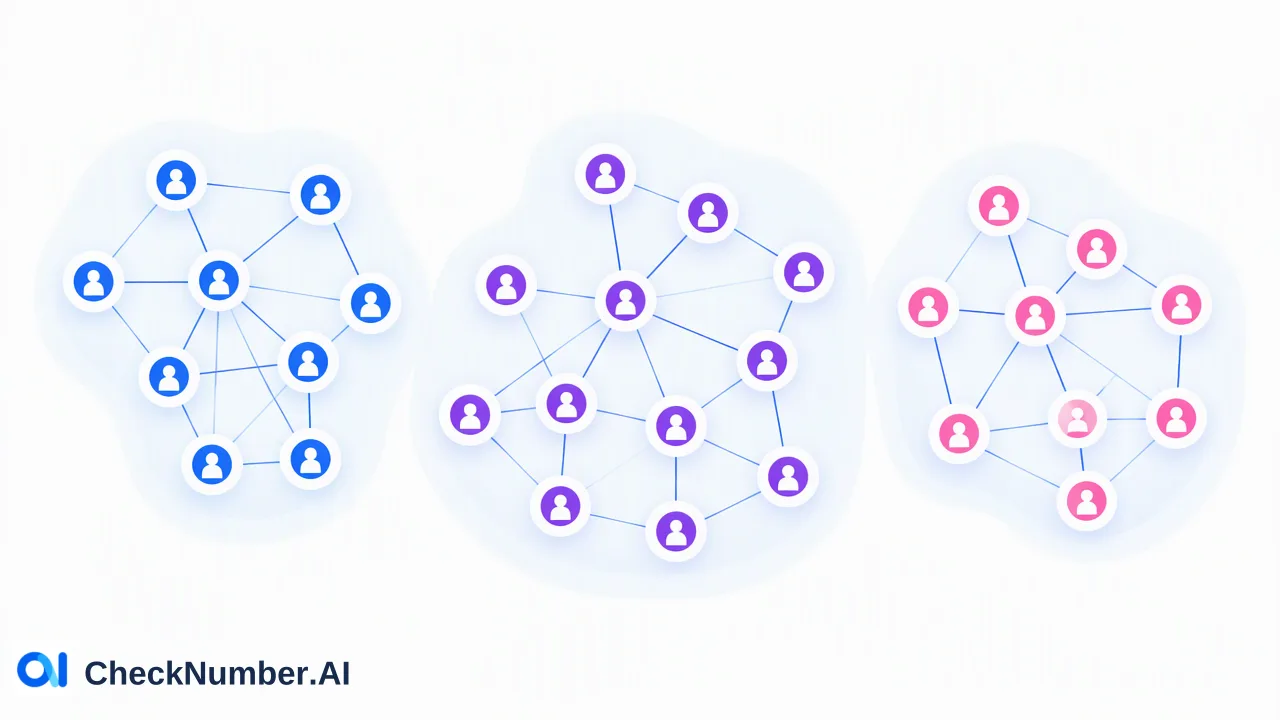
While basic registration checks confirm whether a phone number is registered on Viber at check time, avatar and demographic signals provide a visual and contextual layer of metadata. By applying Viber avatar signal enrichment, organizations can segment contact lists using profile attributes such as inferred gender, age groups, and activity signals. This multi-layered approach helps marketing and operations teams refine audience targeting, prioritize relevant messaging, and structure customer relationship management (CRM) workflows more effectively.
The Limitations of Binary Verification
Phone list validation traditionally focuses on structural formatting and account existence. Format and normalization routines verify whether a given string follows the E.164 standard and standard numbering plans. While confirming account presence is a critical first step, a binary registered-or-unregistered status provides no insight into the audience behind the screen. It cannot indicate demographic characteristics, customer context, or account activity patterns. For marketing teams managing large outreach databases, treating every registered number identically often results in generic communications and inefficient budget allocation. Modern audience segmentation requires contextual depth. Relying solely on registration status leaves contact databases flat, making it difficult to differentiate between varied customer profiles. To build meaningful audience clusters, organizations must incorporate deeper data points that help classify audiences by relevant characteristics.
Understanding Viber Avatar and Profile Signals
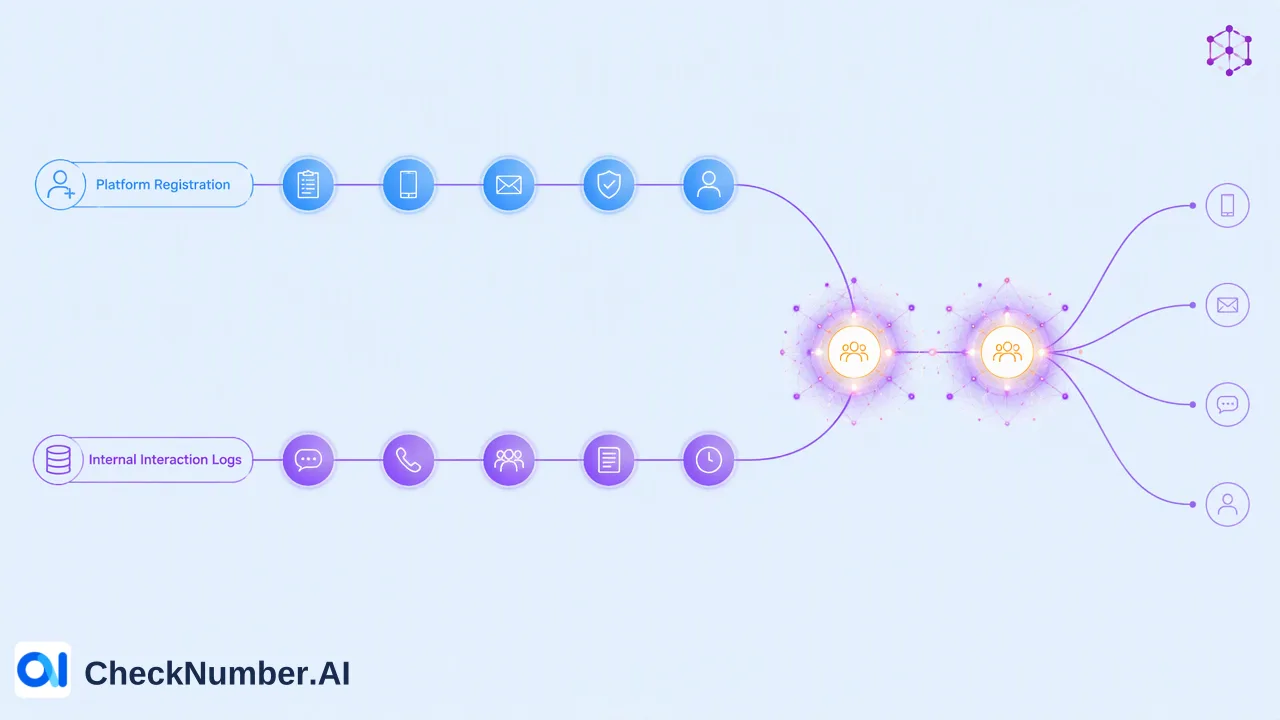
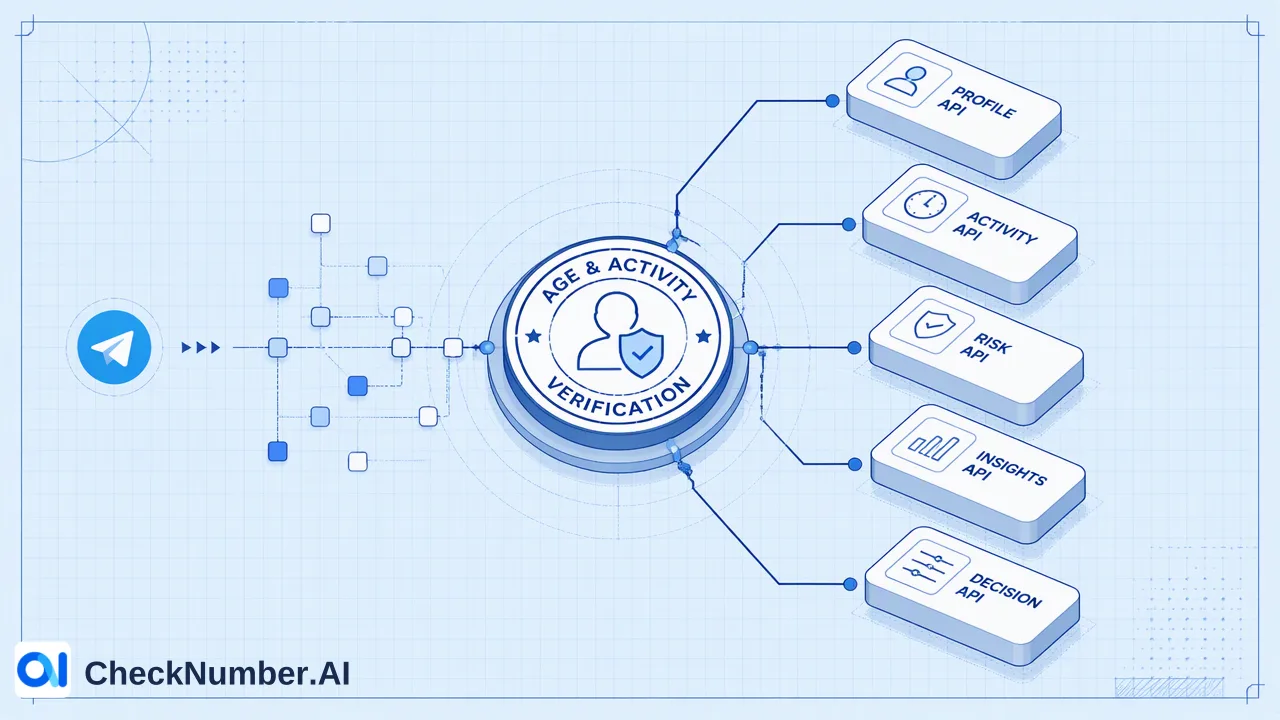
To bridge the gap between basic account presence and granular audience segmentation, organizations utilize specialized enrichment tools. Within CheckNumber.AI, the Viber Avatar, Age, Gender & Others Checker extends beyond standard platform checks by evaluating account presence while returning available profile enrichment, demographic enrichment, and activity context. Profile enrichment captures public account attributes, including visual avatar presence. This visual layer provides contextual data that informs inferred demographic classification, such as gender and age range indicators. In addition to demographic attributes, the service can supply available activity signals and account identifier context. These visual and demographic signals function as decision-support indicators rather than deterministic personal records. Instead, they provide data teams with structural context that supports audience modeling and list categorization, transforming uncharacterized phone numbers into multi-dimensional profiles suitable for structured CRM workflows.
Multi-Dimensional Audience Segmentation Strategies
Integrating avatar and profile enrichment signals into data operations supports sophisticated segmentation workflows across existing and incoming databases. Rather than filtering lists using a single binary attribute, teams can combine multiple data layers:
| Signal Category | Data Attribute | Workflow Application |
|---|---|---|
| Platform Signal | Account Presence | Confirms reachability on Viber at check time |
| Activity Signal | Last-Seen / Activity Context | Supports outreach timing and active audience prioritization |
| Demographic Signal | Inferred Age & Gender Context | Informs campaign messaging style and creative selection |
| Profile Signal | Avatar Presence & Identifier | Helps categorize profile completeness and user persona |
| This multi-dimensional framework creates opportunities for re-screening historical contact lists. Organizations often maintain dormant databases where phone numbers are known to be active on Viber, yet engagement remains low. Re-evaluating these records with demographic and avatar enrichment reveals previously unobserved audience segments, helping teams refresh inactive leads and tailor thematic marketing campaigns based on updated profile characteristics. |
Best Practices for Data Enrichment Workflows
Implementing profile enrichment requires a structured, multi-step pipeline to maintain operational efficiency and clean data architecture. Organizations should adopt the following operational best practices:
- Sequential Screening Pipeline: Perform initial registration screening before conducting avatar and demographic enrichment. Filtering out unregistered numbers first avoids processing overhead and focuses enrichment resources strictly on reach-eligible contacts. - Distinct Attribute Architecture: Store avatar presence, demographic indicators, and activity signals as separate fields within CRM systems. Flattening or merging these indicators into a single score limits downstream flexibility; maintaining distinct attributes supports dynamic, multi-factor filtering across diverse campaign goals. - Bulk Processing Integration: Support batch data management by using CSV or TXT list uploads for routine database hygiene, or REST API access for automated list ingestion workflows. - Objective Signal Governance: Treat demographic and visual signals as probabilistic indicators for audience grouping. Incorporate these attributes alongside first-party customer history and direct opt-in data rather than treating them as guaranteed personal identities.
FAQ
What is the difference between a registration check and a profile enrichment check?
A registration check evaluates whether a phone number is currently associated with an active account on a platform at check time, serving as a baseline reachability signal. A profile enrichment check evaluates account presence while also retrieving available visual metadata, demographic classifications such as inferred gender and age, and activity signals to provide contextual detail about the profile.
How do profile enrichment signals support marketing campaign segmentation?
Profile enrichment signals support marketing by providing demographic and activity layers that help teams divide broad contact lists into focused audience cohorts. Marketers can tailor messaging themes, visual creative, and campaign timing to specific demographic categories, supporting more relevant audience engagement than one-size-fits-all broadcasts.