CheckNumber.AI
 · 5 min read
Physical vs. Virtual: A Guide to Phone Number Line-Type Classification for Messaging Deliverability
Learn how phone number line type classification distinguishes physical, virtual, and VoIP lines to optimize bulk messaging deliverability and list hygiene.
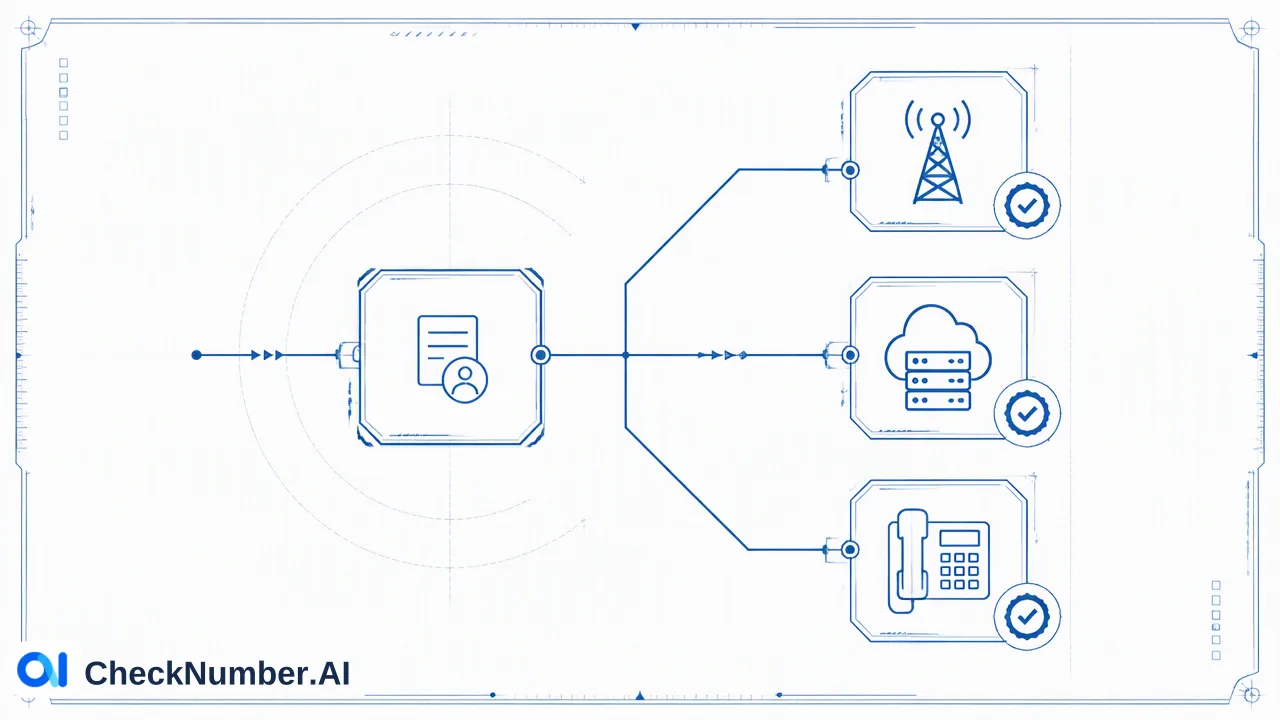
Distinguishing between physical SIM-based numbers, virtual numbers, and VoIP lines is essential for optimizing messaging outreach. Each line type carries distinct technical capabilities and reliability profiles. By applying phone number line type classification before sending, organizations can improve list hygiene, reduce resources spent on unreachable lines, and align messaging delivery paths with the technical profile of each recipient’s number. Carrier intelligence identifies line type, carrier name, and regional context, providing critical operational context before initiating SMS or platform-based communications.
The Role of Line Type in Messaging Deliverability
High-volume messaging campaigns frequently encounter delivery failures, unrendered texts, or filtering bottlenecks caused by mismatched destination endpoints. In modern telecommunications, phone numbers are not uniform; they operate across differing network architectures, from legacy copper landlines to wireless cellular networks and cloud-hosted virtual services. Applying phone number line type classification allows organizations to understand the technical routing capabilities of their contact database. When messaging systems dispatch SMS traffic to fixed-line landlines, those messages fail immediately because the hardware lacks text-rendering capabilities. When messages target virtual or VoIP numbers, delivery can be intermittent or blocked depending on the underlying provider’s support for shortcodes, longcodes, and application-to-person (A2P) routing. Understanding underlying carrier infrastructure is therefore a prerequisite for effective list hygiene.
Understanding Phone Number Categories
To structure an effective screening process, technical and business teams must differentiate between the primary categories of phone numbers found in communication datasets. | Line Type | Technical Infrastructure | Messaging Characteristics | | :--- | :--- | :--- | | | Fixed-Line (Landline) | Traditional public switched telephone networks (PSTN) or fixed wireless | Incapable of receiving standard mobile text messages unless specialized voice-to-text translation is provisioned. | | VoIP / Virtual Numbers | Cloud telephony platforms routing calls and packets over the internet | Variable SMS support; commonly used for call centers, temporary services, or automated routing; subject to strict A2P carrier filters. | Physical SIM-based numbers represent individual mobile subscribers with cellular-connected hardware. Virtual and VoIP numbers, while useful for cloud telephony and business routing, behave differently across global telecommunication networks. Because virtual numbers can often be provisioned, reallocated, or discarded with minimal overhead, they represent a different operational profile than dedicated mobile subscriptions.
Carrier Intelligence vs. Platform Registration Signals
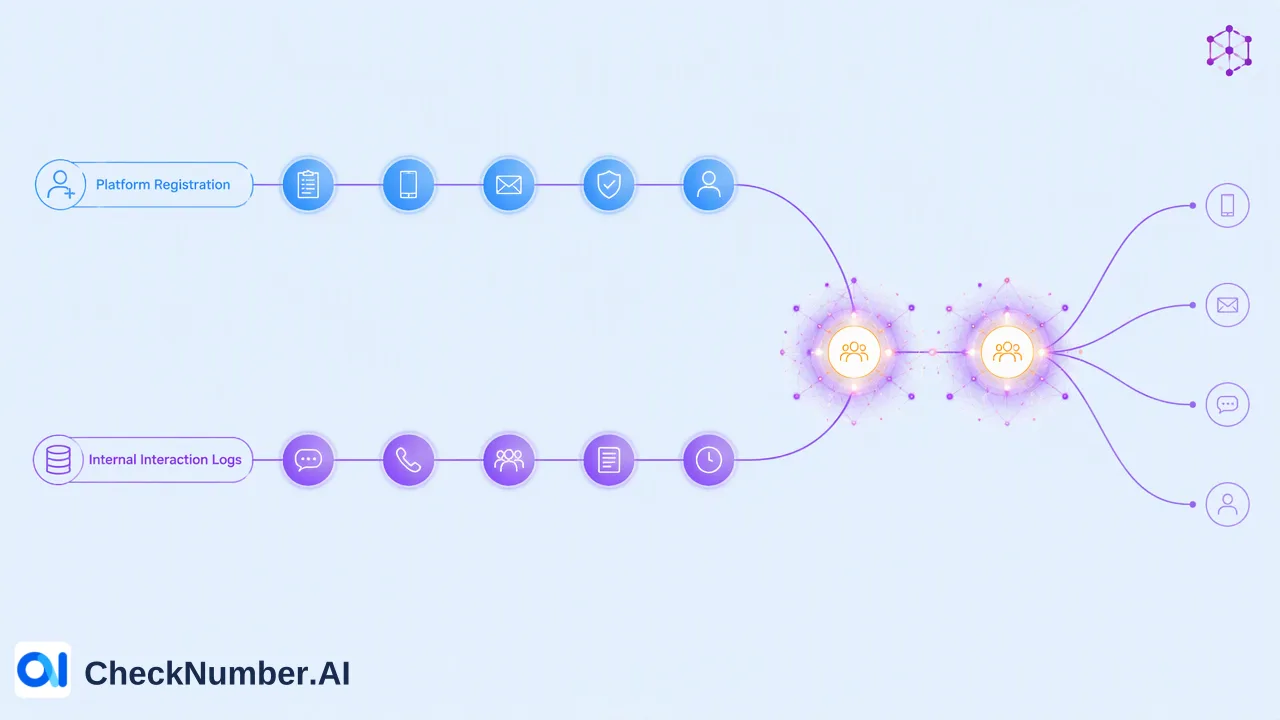
When establishing a list hygiene architecture, teams must distinguish between basic formatting, carrier intelligence, and platform-specific registration signals. Carrier intelligence, provided by tools such as the Global Carrier Checker across supported countries or the Advanced US Carrier Checker for United States and Canada numbers, identifies the network carrier, line type, country code, and regional context. This analysis evaluates the telecommunications route and line allocation. In contrast, platform registration checks determine whether a phone number is registered with an external messaging service, such as LINE (via Line Checker) or Telegram (via Telegram Checker). A platform registration signal reflects account presence on that specific service at check time. Using these checks in tandem provides clear operational boundaries: carrier intelligence screens line infrastructure for standard SMS or voice delivery, while platform registration checkers confirm whether that number is reachable on a designated third-party chat application.
Best Practices for Integrating Line-Type Screening into Workflows
Integrating carrier intelligence into data processing pipelines helps businesses maintain reliable contact records and streamline outbound messaging. CheckNumber.AI provides bulk checking workflows that accept CSV or TXT file uploads for operational lists, as well as a REST API for real-time validation. Organizations can implement line-type classification through the following best practices:
- Pre-Campaign List Segmentation: Screen contact lists prior to sending outbound SMS. Filter out landline numbers to eliminate unavoidable delivery drops, and separate virtual numbers to evaluate whether they require alternative delivery channels. 2. Targeted Channel Routing: Route confirmed physical mobile numbers through standard A2P SMS gateways, while directing accounts associated with specific messaging services toward platforms where their presence is confirmed. 3. Continuous Database Maintenance: Phone numbers are frequently ported between carriers or reassigned from landline to mobile and VoIP networks. Regularly running bulk classification checks helps teams maintain current carrier and line-type records.
FAQ
Why is it important to know if a number is virtual or physical?
Identifying whether a number is physical or virtual helps organizations understand how that line handles incoming messages. Physical mobile lines are directly linked to mobile network operators and handheld devices, offering standard compatibility with SMS. Virtual and VoIP lines route calls and texts over data networks, which may introduce filtering, delivery restrictions, or complete incompatibility with certain application-to-person (A2P) messaging protocols.
How does carrier intelligence differ from platform registration checks?
Carrier intelligence identifies telecommunications network attributes, such as the originating carrier, line type, country code, and regional context. In contrast, platform registration checks evaluate whether a specific phone number has an account on a particular messaging platform (such as LINE or Telegram) at check time. Both signals provide distinct, complementary data points for contact hygiene.
How can teams automate line-type screening for large contact lists?
Teams managing large volumes of records can automate classification using bulk verification workflows. CheckNumber.AI supports bulk list processing through CSV or TXT file uploads as well as programmatic REST API integration, enabling organizations to evaluate line types at scale before launching campaigns or updating internal databases.