CheckNumber.AI
 · 4 min read
Beyond Registration: A Multi-Layered Framework for Qualifying High-Value Messaging Leads
Discover how a structured messaging lead qualification framework layers registration checks, behavioral signals, and profile enrichment to prioritize high-value contacts.
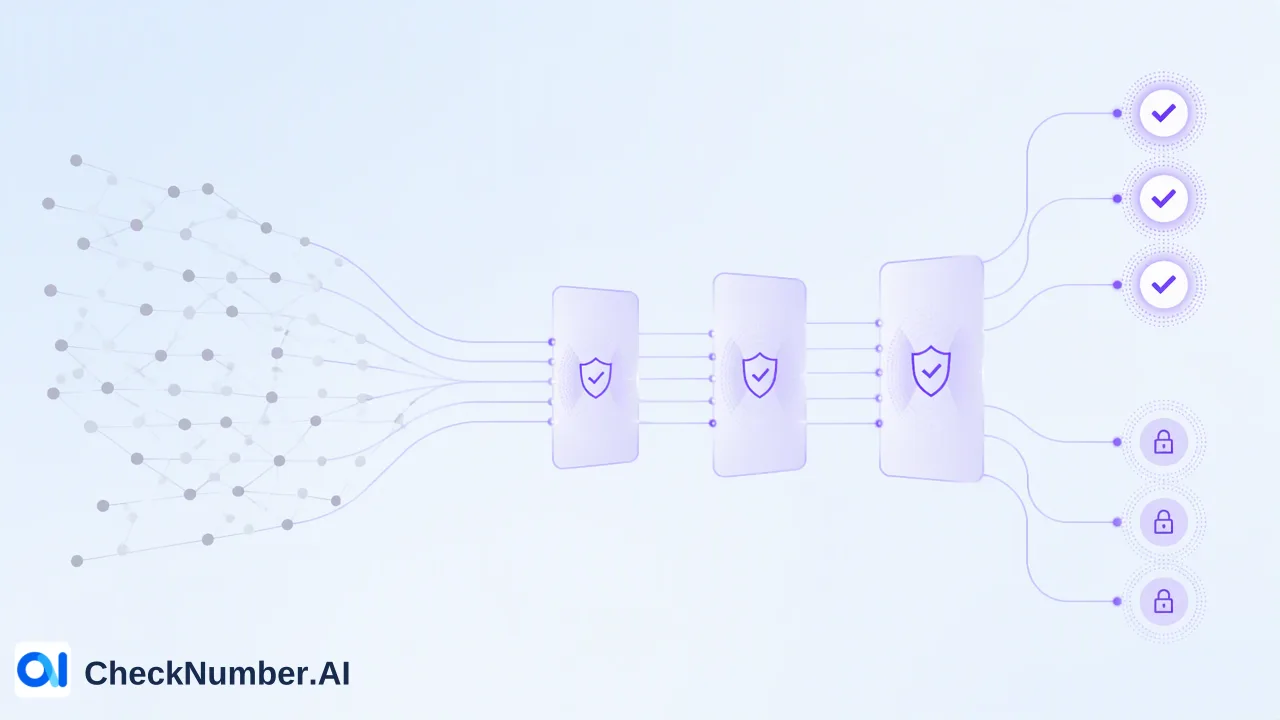
A messaging lead qualification framework moves organizations beyond basic binary registration checks by establishing a multi-layered evaluation process. While a platform-registration signal provides a reachability check at a specific moment, comprehensive qualification layers that foundation with behavioral activity signals, profile completeness, and channel-specific segmentation. This structured approach helps teams systematically prioritize resources toward contacts demonstrating higher likelihood of interaction while reducing unnecessary messaging volume across contact lists.
The Limitations of Binary Registration Checks
Many audience qualification workflows treat messaging account presence as a simple binary outcome. In this traditional model, a contact number is checked against a platform database, and any active account presence is immediately marked as viable for immediate outreach. While establishing whether a number has registered on a network is a necessary first step, treating registration as a complete qualification metric introduces operational inefficiency.
Contacts registered years prior may rarely open the messaging client, maintain unmonitored secondary devices, or ignore unsolicited incoming chats. Consequently, outreach lists qualified strictly on registration status often suffer from diluted engagement. A robust messaging lead qualification framework treats registration as the baseline layer of a deeper contact quality hierarchy rather than the final evaluation point.
Layering Behavioral Signals for Better Prioritization
To separate high-value prospects from idle accounts, teams incorporate behavioral activity data alongside presence verification. Behavioral context reveals how recently an account has interacted with the platform ecosystem, providing valuable guidance for routing and timing decisions.
For example, specialized verification tools offer deeper operational insights into account status:
- Account presence and recency: Telegram Days Checker surfaces available activity context, such as days since the user was last seen online, alongside account-identifier indicators.
- Membership context: Identifying whether an account holds Telegram Premium membership context helps highlight dedicated, power-user segments within an audience list.
- Real-time verification: WhatsApp Advanced Checker applies strict real-time detection processes to confirm current account status across phone lists.
Combining platform registration with recency metrics helps teams segment contacts into active, moderate, and dormant tiers. High-value sales development or immediate customer support outreach can focus primarily on accounts with recent online activity, while dormant records receive automated or low-frequency communication.
Technical Segmentation and Profile Enrichment
A comprehensive qualification framework also incorporates technical ecosystem segmentation and profile indicators to optimize outreach workflows. Different messaging protocols offer distinct user interfaces, media capabilities, and audience behaviors.
Platform-specific checkers provide actionable segmentation data:
| Checker Product | Platform | Documented Capabilities |
|---|---|---|
| iMessage Checker | Apple Ecosystem | iOS audience segmentation, iMessage outreach planning |
| RCS Checker | Google Messages / RCS | Rich-messaging audience planning, capability verification |
| Telegram Age & Gender Checker | Telegram | Demographic enrichment, profile enrichment, activity signals |
Using iMessage Checker allows organizations to identify Apple ecosystem users in bulk, supporting specialized iOS messaging workflows and tailored technical formatting. Similarly, RCS Checker identifies contacts capable of receiving interactive rich messaging cards and verified sender experiences. Where profile indicators such as avatars are publicly available, Telegram Age & Gender Checker provides demographic and profile enrichment context to support audience categorization.
Implementing a Tiered Qualification Framework
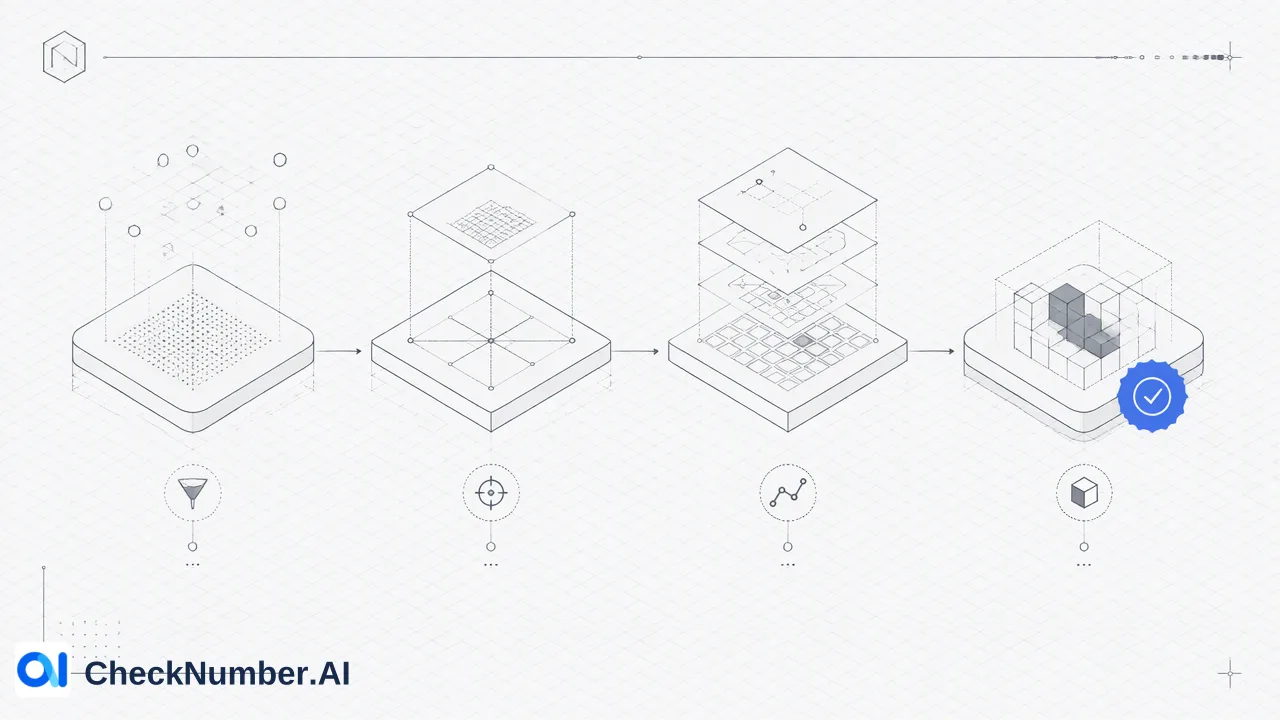
Organizations can operationalize this multi-layered methodology through a phased, sequential filtering workflow designed to protect team productivity and manage verification costs effectively:
- Data Hygiene and Normalization: Before running network-level checks, teams process raw phone lists using Number Cleaner. This stage standardizes phone numbers into E.164 formatting, strips invalid entries, and eliminates duplicate records.
- Platform Registration Verification: Cleaned lists pass through network-specific checks, such as Telegram Checker or WhatsApp Advanced Checker, to verify base platform presence.
- Activity and Profile Layering: For contacts confirmed as reachable on the target network, teams apply enrichment tools like Telegram Days Checker to assess recency indicators and membership tier context.
- Queue Prioritization: The aggregated signals inform automated routing rules within CRM platforms. Accounts demonstrating active presence and complete profiles are routed to immediate high-touch outreach, while less active accounts are assigned to long-term nurture schedules.
Executing this tiered qualification workflow provides clear data governance across contact databases while systematically directing operational resources toward the highest-quality leads.
FAQ
Why is platform registration alone insufficient for high-value lead qualification?
Platform registration confirms whether an account exists on a messaging network at check time. However, this reachability signal provides no visibility into how frequently the contact uses the platform, their past responsiveness, or their demographic alignment. Relying solely on registration risks treating dormant or low-intent accounts with the same priority as active prospects.
How do activity signals support messaging outreach planning?
Activity signals, such as account presence duration or days since an account was last online, provide operational context regarding recency. Tools such as Telegram Days Checker supply last-seen and membership indicators that help marketing and operations teams route active accounts to prioritized outreach queues while directing inactive accounts toward slower nurturing sequences.
What is the distinction between phone normalization and platform verification?
Phone normalization standardizes contact strings into consistent global formats, such as E.164, and removes duplicate or malformed records. Platform verification, by contrast, queries specific networks like WhatsApp, Telegram, or iMessage to confirm account presence. Normalization ensures clean list hygiene, whereas platform verification assesses network-level reachability.