CheckNumber.AI
 · 4 min read
Beyond the News: How Platform-Specific Signals Impact Your B2B Outreach Strategy
Sudden corporate and regulatory changes accelerate B2B contact data decay. Discover how platform registration signals support proactive list hygiene.

When major corporations face sudden regulatory or platform shifts, the ripple effect impacts CRM record accuracy before public headlines conclude. Because B2B contact records reflect changing corporate relationships rather than permanent connections, policy changes quickly render historical records obsolete.
The Volatility of Corporate Contact Data
Recent events involving major enterprises demonstrate how rapidly corporate realities change. When the Trump administration moved to suspend Microsoft from a specific green card program, the development signaled immediate operational and workforce adjustments. For business-to-business marketing and sales teams, corporate and regulatory actions trigger immediate shifts in organizational structures, employee roles, and direct communication channels.
Corporate contact data decays faster than traditional CRM maintenance schedules assume. Professionals change companies, corporate departments restructure, and corporate-managed device assignments rotate. When external regulatory pressure or internal policy changes affect an enterprise, the validity of associated phone and email records can shift within days. Viewing contact records as static assets creates vulnerability for outreach operations, as obsolete records accumulate quietly within core databases.
Why Static Lists Become Liabilities
Treating lead lists as static assets introduces compounding operational friction. Historical contact lists gather unverified records that degrade over time. Sinking resources into outreach campaigns against unverified lists leads to misallocated sales time, skewed engagement metrics, and diminished campaign efficiency.
Data decay in B2B environments stems from several mechanical factors:
- Role Reassignments: Key decision-makers move to different teams or depart organizations, leaving contact points unmonitored.
- Account Deprovisioning: Enterprise communication platforms deactivate departed personnel accounts, breaking previously established communication routes.
- Administrative Restructuring: Enterprise policy shifts prompt revisions to communication infrastructure and internal assignments.
Without continuous hygiene, databases degrade steadily. Historical records that performed well in prior quarters may become entirely unresponsive as enterprise access rules shift. High-volume outreach teams require systematic workflows that identify current record status before launching time-sensitive outreach.
Implementing a Proactive Verification Cadence
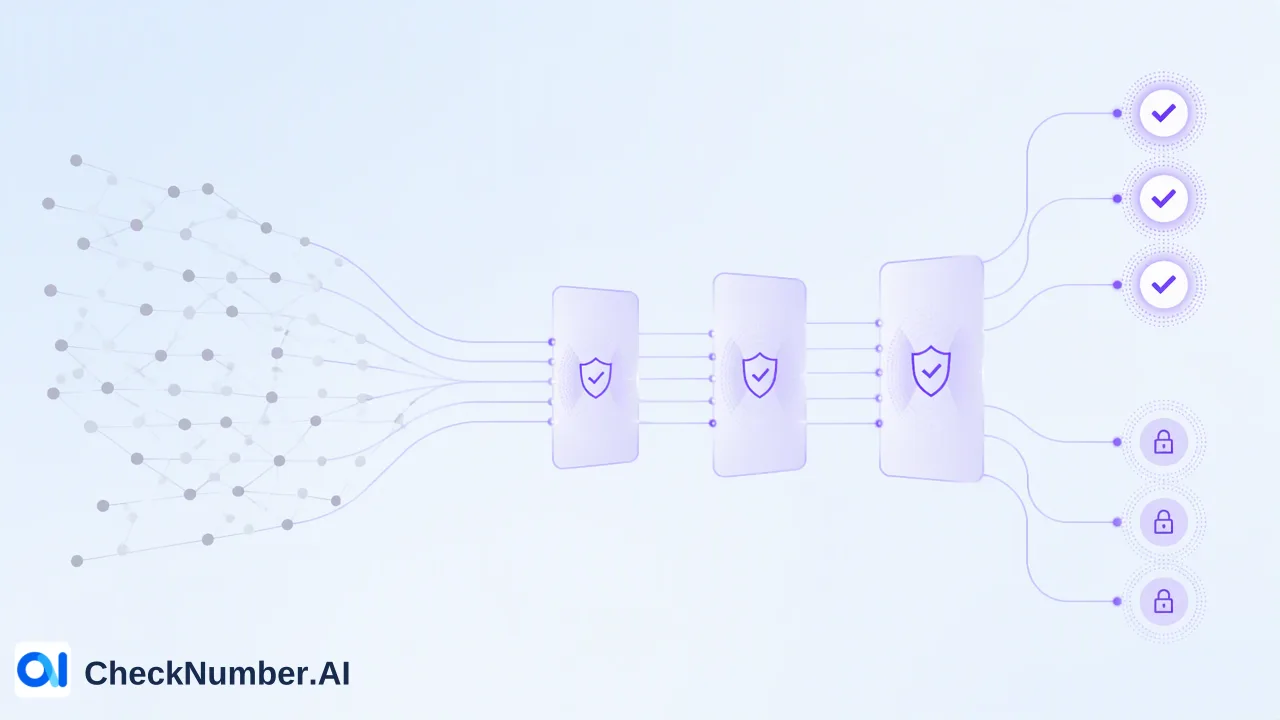
To maintain list relevance amidst corporate volatility, organizations implement structured verification workflows prior to executing campaigns. A proactive verification cadence blends basic data hygiene with platform-level reachability verification.
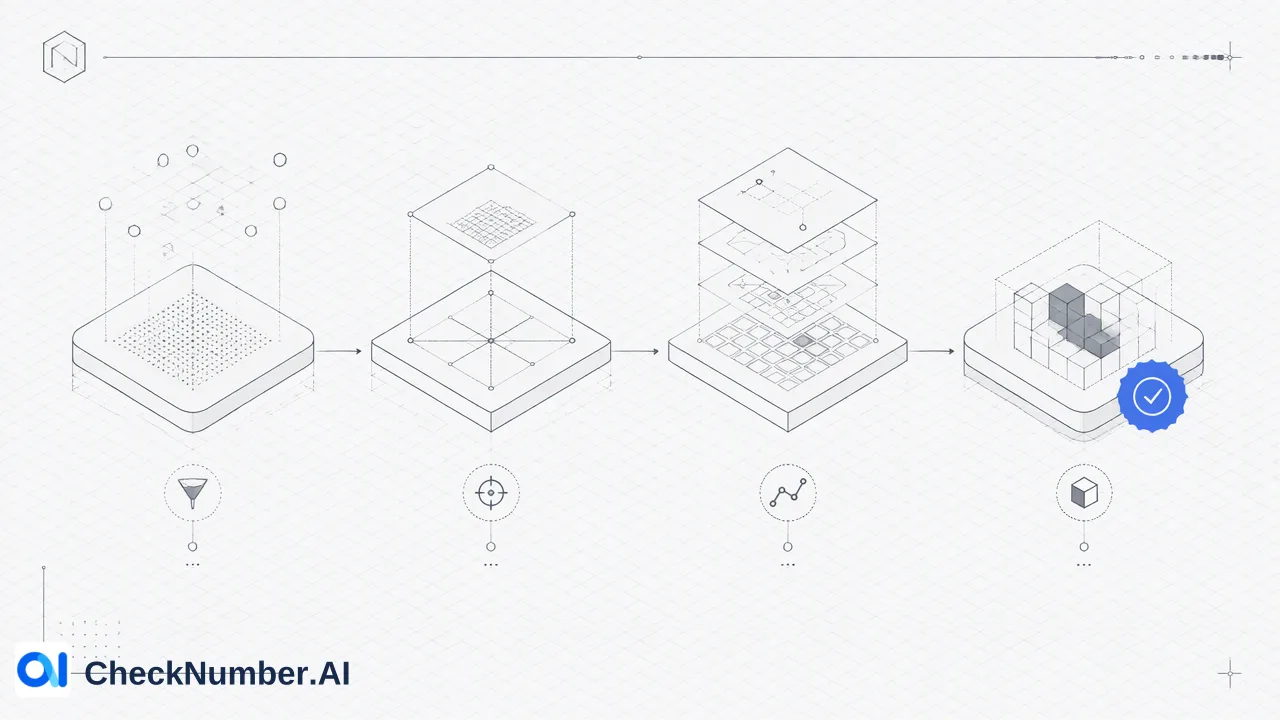
Modern data hygiene workflows typically follow a two-tier verification structure:
- List Preparation and Normalization: Contact records undergo structural cleaning. For phone records, Number Cleaner normalizes entries into standard E.164 format and removes duplicate or malformed numbers before paid verification runs. For email records, syntax checks and MX record reviews eliminate unroutable entries.
- Check-Time Signal Assessment: Cleaned identifiers undergo platform-specific verification.
The signal functions as a timely data point that informs internal prioritization and outreach routing.
Leveraging Platform-Specific Signals
Incorporating platform-specific signals into list management helps teams separate viable communication targets from obsolete records. When tracking enterprise leads across platforms, checking phone numbers against designated services establishes verifiable presence.
CheckNumber.AI provides bulk list checking workflows via CSV or TXT list uploads as well as REST API access. Phone uploads accept single-country files formatted with one number per line including the country code, with an optional leading plus symbol. Within this workflow, specialized platform tools examine list entries:
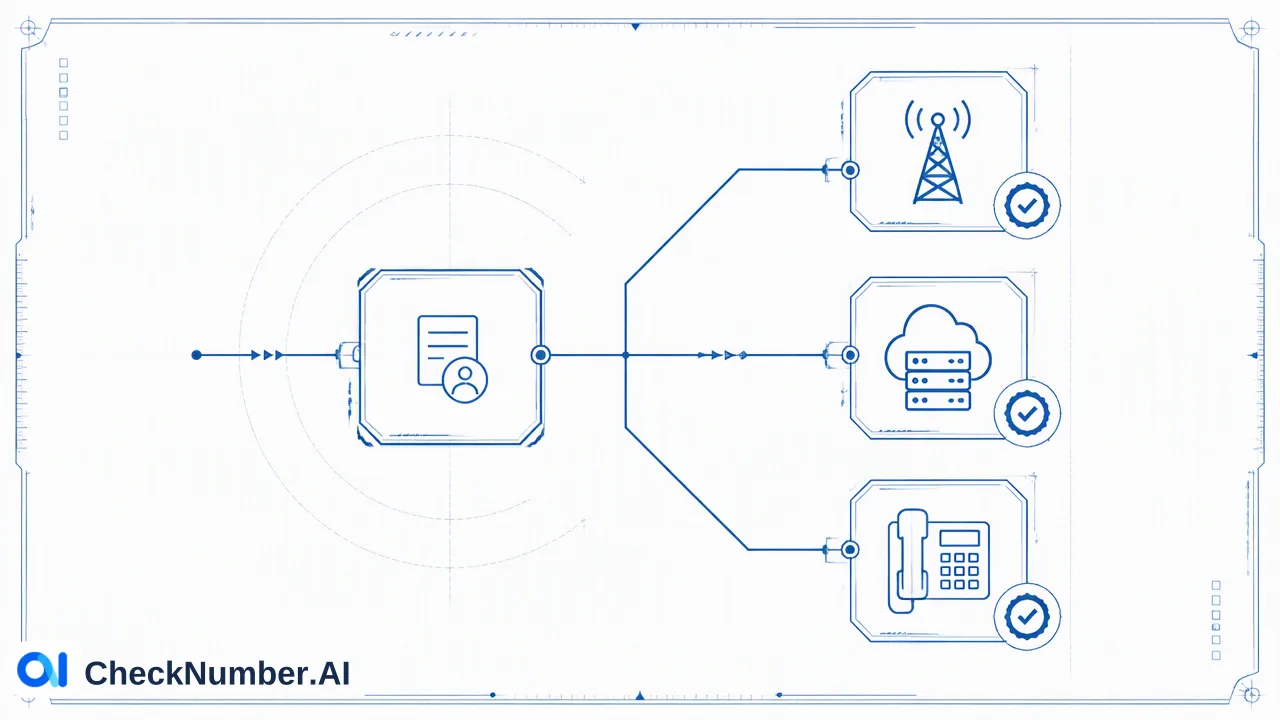
- Platform Registration Checks: Tools such as Microsoft Checker and Telegram Checker verify whether submitted phone numbers maintain registration on those respective platforms.
- Activity Context Checks: For deeper segmentation, Number Active Checker provides recent phone-number activity signals for list prioritization, separate from phone validation.
- Ecosystem Segmentation: For campaigns centered on Apple services, iMessage Checker identifies iMessage-registered numbers in bulk for iOS and Apple ecosystem audience segmentation and iMessage outreach planning.
| Verification Stage | Primary Mechanism | Workflow Contribution |
|---|---|---|
| Structural Cleaning | Number Cleaner (E.164 format, deduplication) | Prepares valid syntax and removes structural errors |
| Platform Registration | Platform registration checkers (e.g., Microsoft, Telegram) | Confirms platform account presence at check time |
| Activity Assessment | Number Active Checker | Supplies recent activity signals for queue prioritization |
| Targeted Outreach Planning | iMessage Checker | Supports iOS ecosystem segmentation and channel planning |
By integrating verified platform signals into operational queues, organizations mitigate the risk of stale lead data and maintain dependable B2B contact lists.
FAQ
How frequently should organizations schedule B2B contact list verification?
Verification frequency depends on list age, sourcing method, and campaign timing. High-performing teams typically verify records before launching major communication initiatives or when significant corporate transitions occur. Running regular checks through list cleaning and platform signal verification supports data accuracy across evolving account databases.
What is a platform registration signal?
It indicates whether an identifier, such as a phone number, is currently registered on a designated platform, serving as an objective decision-support input for outreach planning.
How do platform registration signals assist outreach workflows?
Platform registration signals assist outreach workflows by confirming account presence on a designated platform at the moment of verification. Teams use this check-time reachability context to filter inactive numbers, prioritize review queues, and allocate outreach resources toward verifiable accounts.