CheckNumber.AI
 · 4 min read
Beyond Geography: How to Segment Messaging Lists by User Language Preference
Learn how organizations move beyond country codes to segment messaging lists using platform-specific registration signals and profile enrichment.

Relying on country codes to determine a user’s preferred language is often inaccurate due to global mobility and multilingual populations. To improve messaging list segmentation by language preference, organizations combine platform-specific registration checks with profile enrichment data. These signals provide check-time reachability and demographic context, helping teams structure multi-language content testing and audience segmentation more reliably than static geographic proxies alone.
The Limitations of Geographic Proxy Data
For years, outbound messaging campaigns relied on phone number country codes as a default shortcut for language selection. If a contact possessed a +1 country code, systems routed English content; a +49 triggered German; and a +33 defaulted to French. However, country codes reflect the administrative origin of a SIM card or virtual number rather than the real-time habits of the individual holding it. Global migration, remote workforces, and multi-lingual sovereign regions make geographic proxies inherently brittle. A user living in Switzerland may speak German, French, Italian, or Romansh. An expatriate living in Spain may operate entirely in English. Relying strictly on national prefixes creates content mismatches, leading to disengagement and unsubscribes. Effective segmentation requires operational signals that reflect platform presence and observed profile context rather than assumptions based on geographic boundaries.
Leveraging Platform-Specific Registration Signals
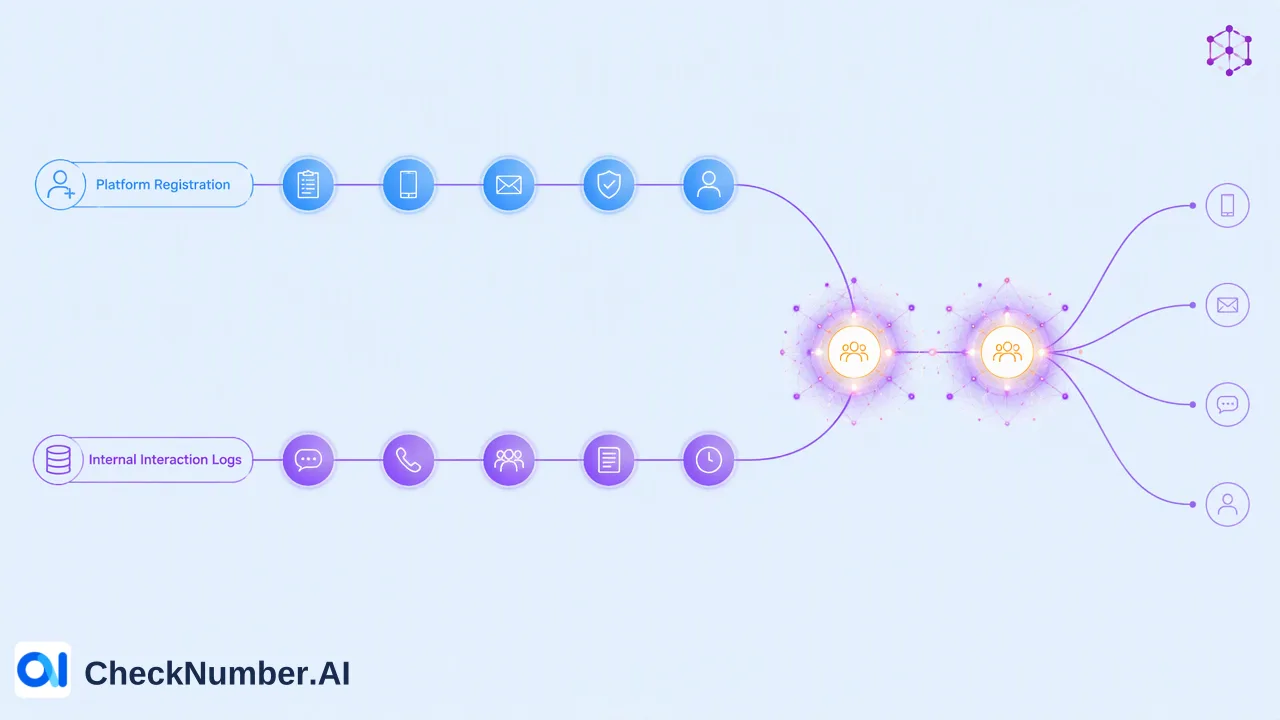
Before teams attempt to tailor messaging copy by language, they must confirm channel reachability. A phone number may be active on cellular networks but completely absent from specific messaging applications. Using dedicated tools like WhatsApp Number Checker or Telegram Checker, organizations verify whether a number has an existing account on that platform. This step establishes an empirical baseline for audience outreach:
| Verification Method | Primary Purpose | Information Provided |
|---|---|---|
| Format / Normalization | Syntax alignment | Validates string structure according to standard numbering plans |
| Country Code Parsing | Geographic metadata | Identifies national regulatory origin of the number |
| Platform Registration | Reachability context | Confirms account presence on a specific network at check time |
| Verifying registration status helps teams avoid transmitting localized campaigns across channels where the user cannot receive them. It also allows technical teams managing bulk workflows to ingest CSV or TXT lists or integrate via REST API to clean databases before launching segmented language initiatives. |
Enhancing Segmentation with Profile Enrichment
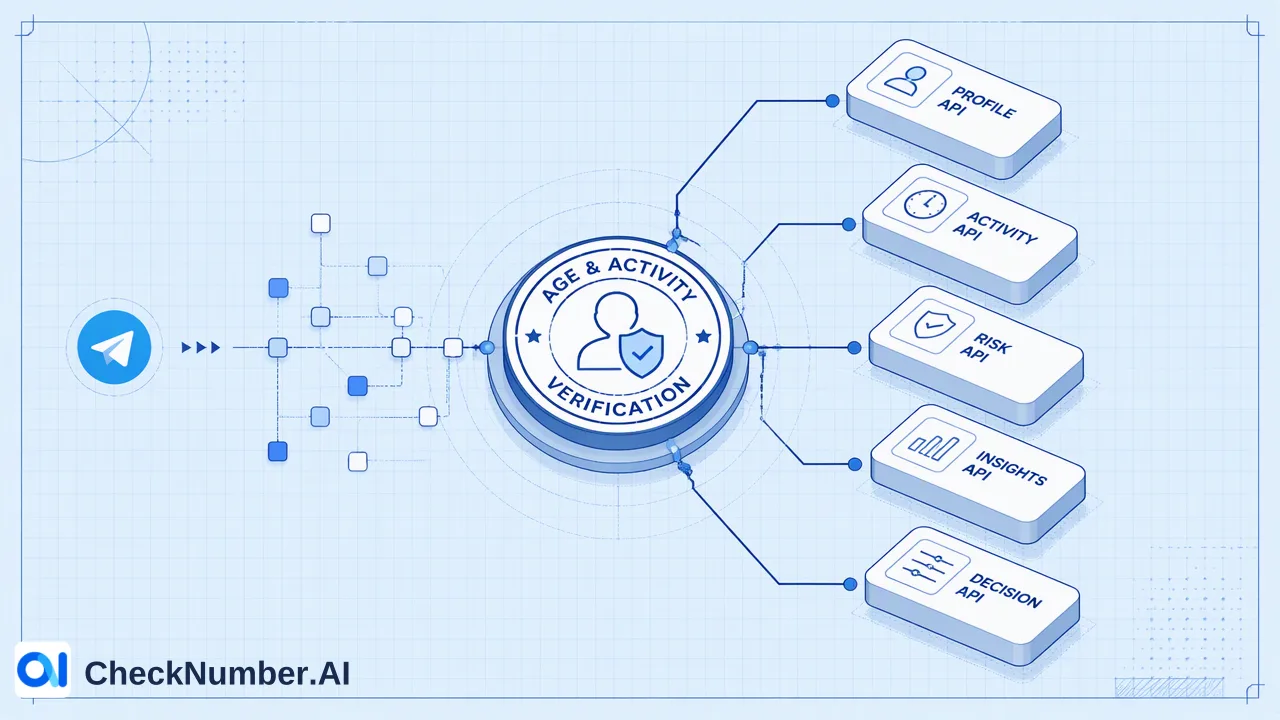
Once basic platform presence is established, demographic and activity signals offer additional layers of context. While registration checks confirm that an account exists, specialized profile signals provide granular attributes that inform content strategy. For example, tools like the Telegram Age & Gender Checker return demographic context alongside activity signals. When teams evaluate messaging list segmentation by language preference, demographic data can highlight regional cohorts that lean toward specific dialects or international lingua francas. Similarly, username-level evaluation—such as checking public profiles with the Telegram Username Activity Checker—can surface public-facing metadata that helps teams refine outreach lists. Instead, they serve as decision-support indicators. By identifying audience clusters, teams can make informed hypotheses about which language variations warrant targeted communication.
Best Practices for Multi-Language Content Testing
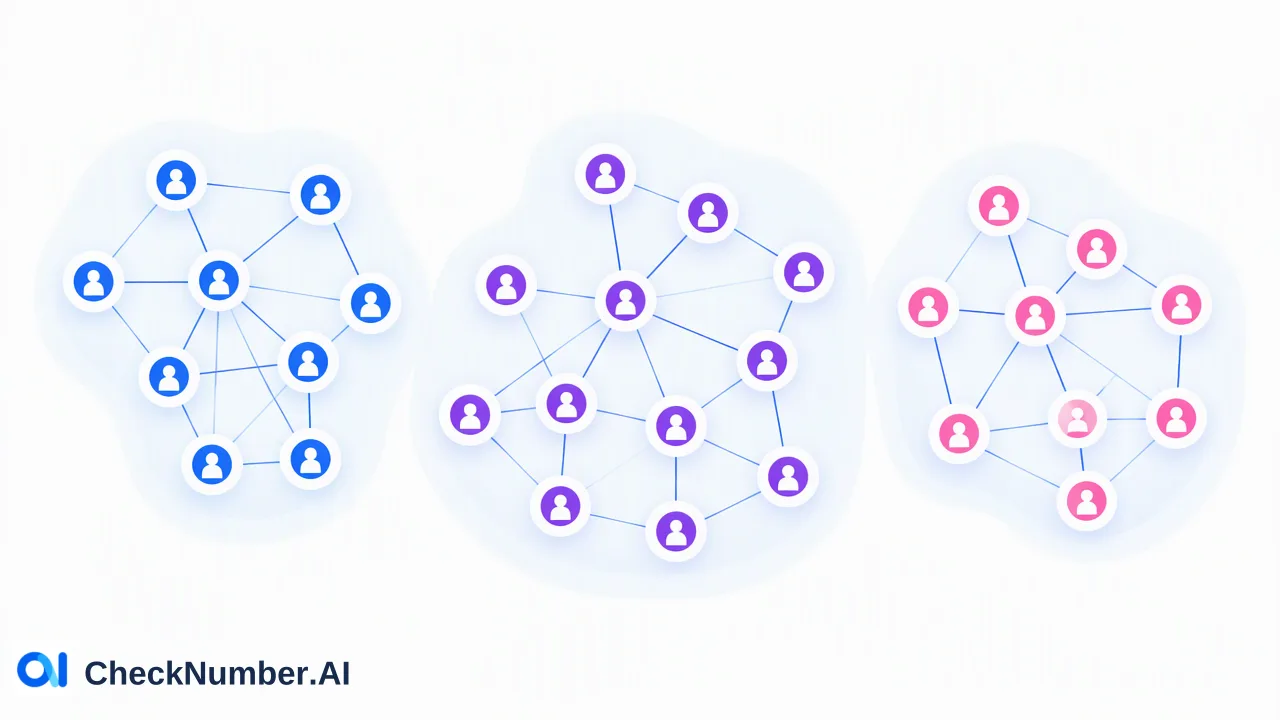
Because profile attributes and registration signals do not definitively declare a user’s preferred reading language, organizations should implement structured testing frameworks across segmented sub-lists. 1. 2. Incorporate Activity and Demographic Filters: Group contacts using activity signals, such as recency context from the Telegram Days Checker, and demographic segments to form distinct test cohorts. 3. Execute Language A/B Splits: In multilingual regions or mixed-prefix cohorts, deliver variations of the initial message in the candidate languages. For instance, an audience segment in a bilingual market can be split evenly between primary regional languages. 4. Monitor Engagement Signals: Track interaction, opt-ins, and unsubscribes to assign permanent language preferences at the contact level for future automated outreach. Applying these disciplined testing steps helps teams build high-relevance messaging workflows that respect user preferences without relying on flawed geographic assumptions.
FAQ
Why is a country code not enough for language targeting?
A country code indicates only where a phone number was originally issued, not the language spoken by the current user. Migration, cross-border business, and multilingual populations mean that individuals in a single dialing prefix often prefer completely different languages.
How do platform registration checks differ from standard phone validation?
Basic format or normalization checks only confirm whether a string adheres to standard dialing syntax like E.164. In contrast, a platform-registration signal verifies account presence on a specific channel, such as WhatsApp or Telegram, at the time of the check.
How can teams combine different platform signals for segmentation?
Organizations can first verify account presence across designated networks, apply demographic or activity context where available, and then route contacts into segmented lists for structured multi-language content testing.