CheckNumber.AI
 · 5 min read
Format Validation vs Live Verification: Choosing the Right Data Hygiene Strategy
Compare format validation and live verification to understand when to use structural syntax checks versus carrier intelligence and platform registration signals.
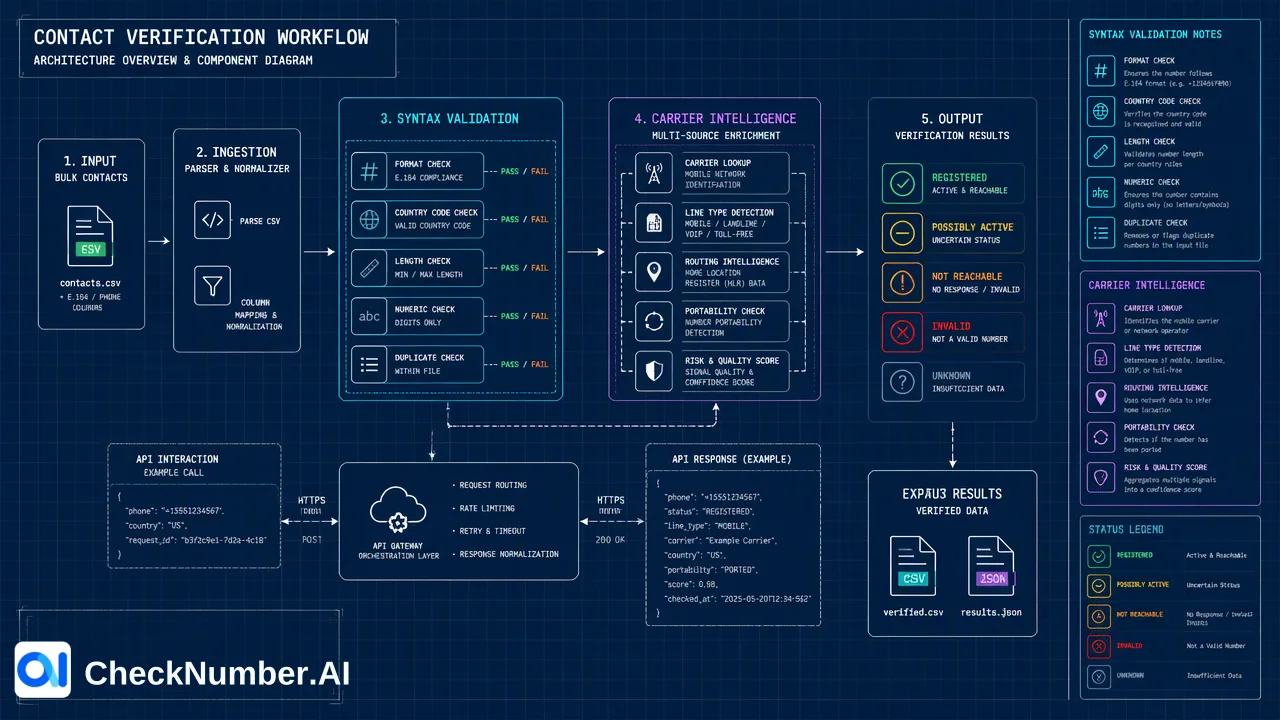
Format validation confirms that a phone number or email address adheres to expected structural and syntax standards, making it an ideal approach for initial input sanitization. In contrast, live phone verification queries external data sources to retrieve real-time intelligence, such as carrier information or platform registration status. Choosing between format validation vs live phone verification depends on the specific business requirement: format checks support basic data hygiene, while live verification provides deeper context regarding a number’s network status or account-related presence on a specific service.
Understanding Data Hygiene Levels
Data hygiene requires matching the depth of a check to the specific business requirement. Organizations evaluating contact data typically choose between two distinct approaches: format validation and live verification. Format validation is the process of checking if a phone number or email address adheres to expected structural and syntax standards. This method confirms that the data looks correct according to standard numbering plans or email formatting rules. Live verification, on the other hand, is the process of querying external data sources to retrieve real-time intelligence. Rather than just checking the structure, live verification retrieves external signals, such as carrier intelligence or platform registration status, to provide deeper context about the contact data. Understanding this distinction helps teams allocate resources effectively and apply the correct level of scrutiny to their contact lists.
When to Use Format Validation
Format validation serves as a foundational step for data hygiene. Teams use format validation for initial input sanitization and to reduce basic entry errors in their databases. By confirming that a number contains the correct amount of digits and follows the appropriate country-specific structure, organizations can filter out obvious typos before proceeding with further workflows. For bulk checking of supported phone-number or email lists, format validation helps teams review large datasets efficiently. Workflows often involve processing CSV or TXT list uploads, or utilizing REST API access, to confirm structural correctness across thousands of records. This approach is highly effective when the primary goal is standardizing data formats rather than gathering external network context. It helps downstream systems receive cleanly formatted data, which supports overall database consistency.
The Role of Live Verification and Carrier Intelligence
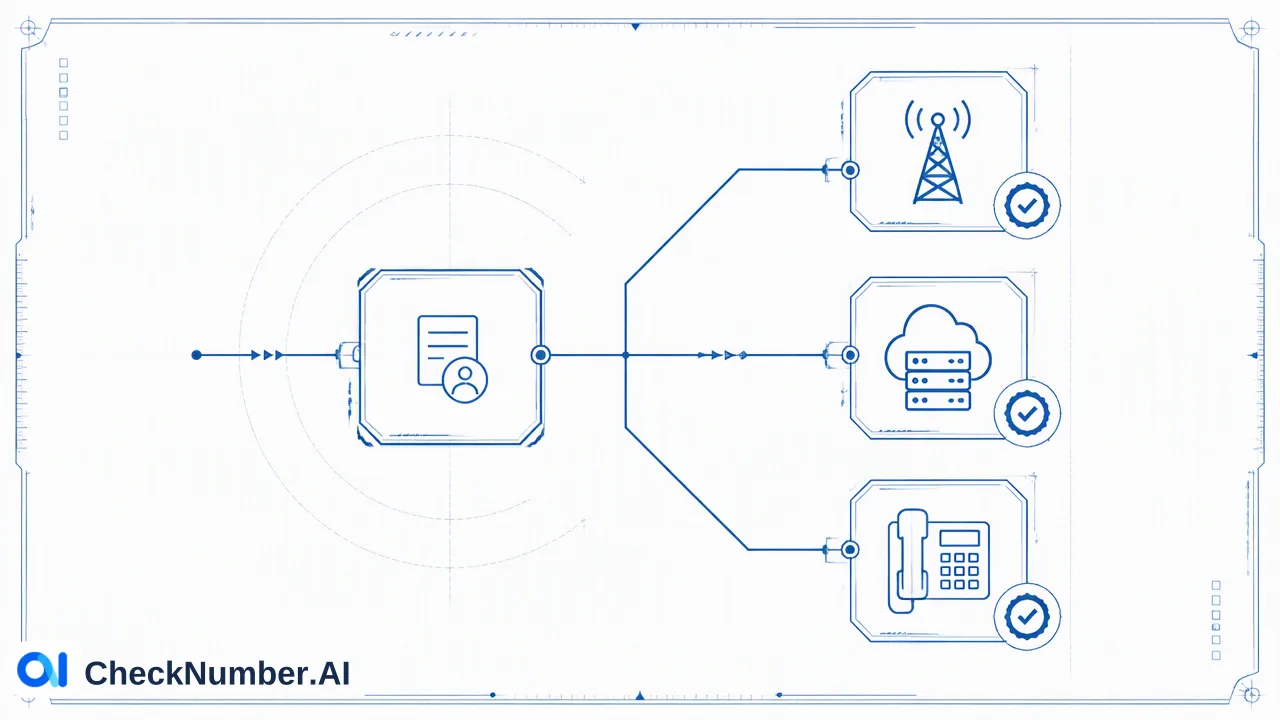
When structural correctness is not enough, live verification provides additional layers of information. One major component of live verification is carrier intelligence. A Global Carrier Checker or an Advanced US Carrier Checker identifies the carrier, line type, country, and regional context for phone numbers across supported countries. This intelligence helps teams understand the underlying network infrastructure associated with a phone number. For example, knowing whether a number is associated with a mobile, landline, or VoIP line type can be one input alongside other checks to inform internal decisions regarding network-based routing or risk assessment. Carrier intelligence focuses strictly on the network and location signals, providing a different dimension of data compared to basic syntax checks. It supports organizations that need to segment their contact lists based on telecommunications infrastructure rather than just structural validity.
Platform Registration Signals in Live Verification
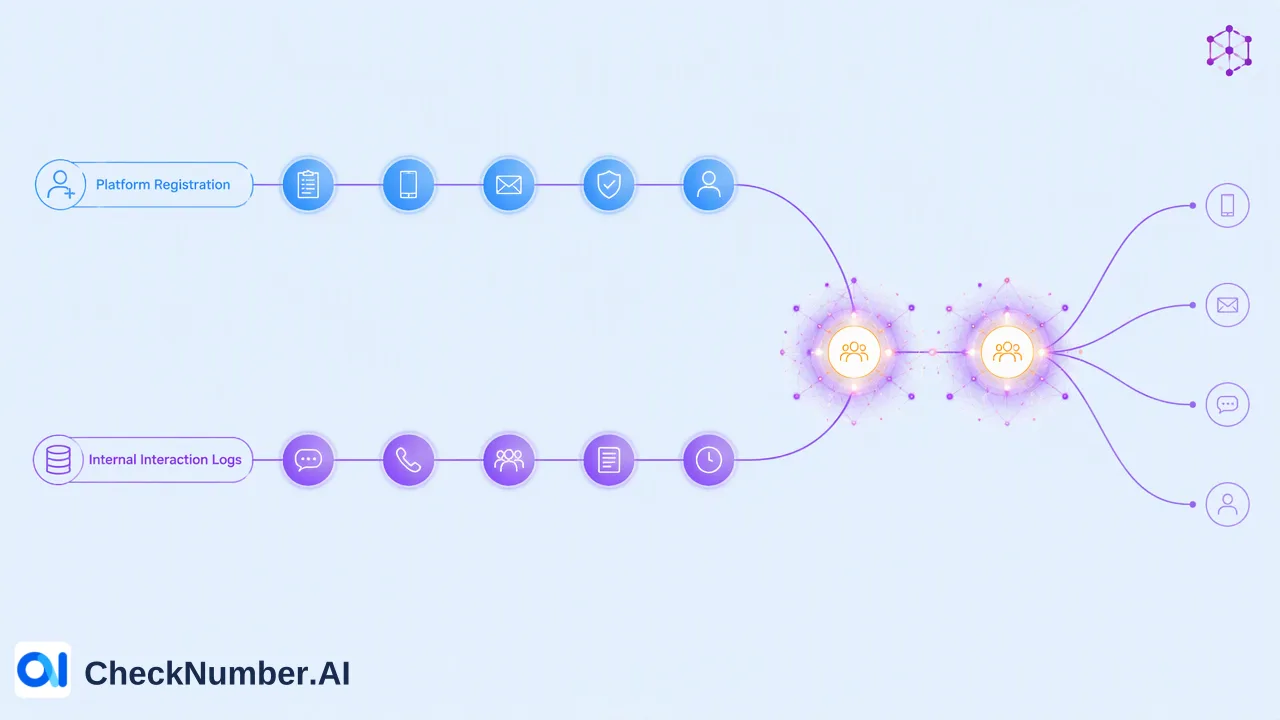
Another critical aspect of live verification involves platform registration signals. These signals identify account-related presence for a specifically named product or service. For instance, an RCS Checker identifies phone numbers that support RCS or Google Messages. This specific platform registration signal and rich-messaging capability signal supports rich-messaging audience planning. It is important to note that a platform registration signal only describes account-related presence for the named product. By understanding which numbers are registered on specific platforms, businesses can make informed decisions about their outreach workflows.
Selecting the Right Approach
Selecting between format validation vs live phone verification requires aligning the verification depth with the intended business outcome. Format validation is sufficient when the objective is basic data hygiene, such as standardizing CRM records or sanitizing user inputs at the point of entry. It is a lightweight method that confirms data follows the correct structural patterns. Live verification is necessary when workflows require external context. If a team needs to plan a rich-messaging campaign, platform registration signals provide the necessary account-presence data. If a team needs to understand line types for routing decisions, carrier intelligence provides the required network context. Organizations often utilize bulk workflows, supporting CSV or TXT list uploads and REST API access, to apply the appropriate level of checking across their contact lists based on these specific requirements. Matching the tool to the task supports efficient data management.
FAQ
Is format validation enough for most use cases?
Format validation is sufficient for initial input sanitization and reducing basic entry errors. It confirms that data adheres to expected structural and syntax standards. However, if a workflow requires network context or platform presence, live verification is necessary.
What is the difference between carrier intelligence and platform registration?
Carrier intelligence identifies the carrier, line type, country, and regional context for a phone number. Platform registration signals identify account-related presence for a specifically named product, such as RCS or Google Messages, to support audience planning.
How can teams process large lists for verification?
Organizations can perform bulk checking of supported phone-number or email lists using CSV or TXT list uploads, as well as through REST API access, depending on their technical requirements.