CheckNumber.AI
 · 4 min read
How to Segment Community Accounts by Age: A Framework for Engagement
Learn how segmenting community members by account age and activity signals helps organizations tailor onboarding, refine engagement, and maintain community health.
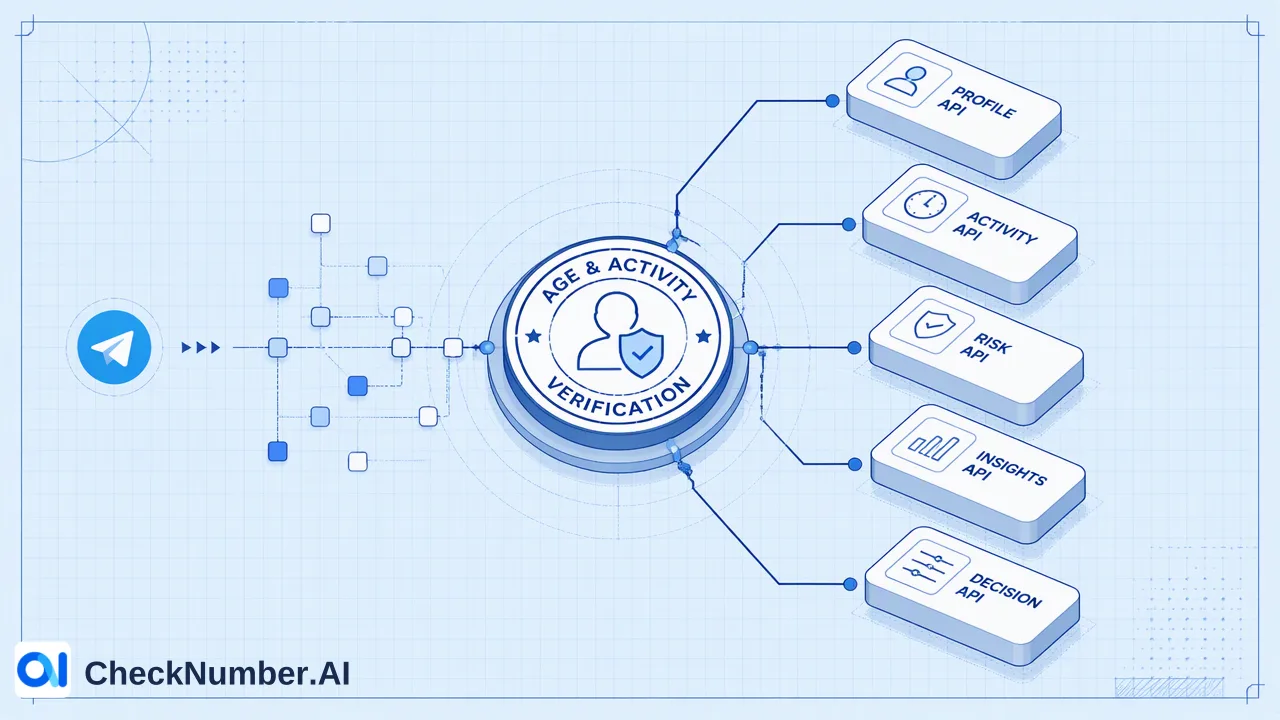
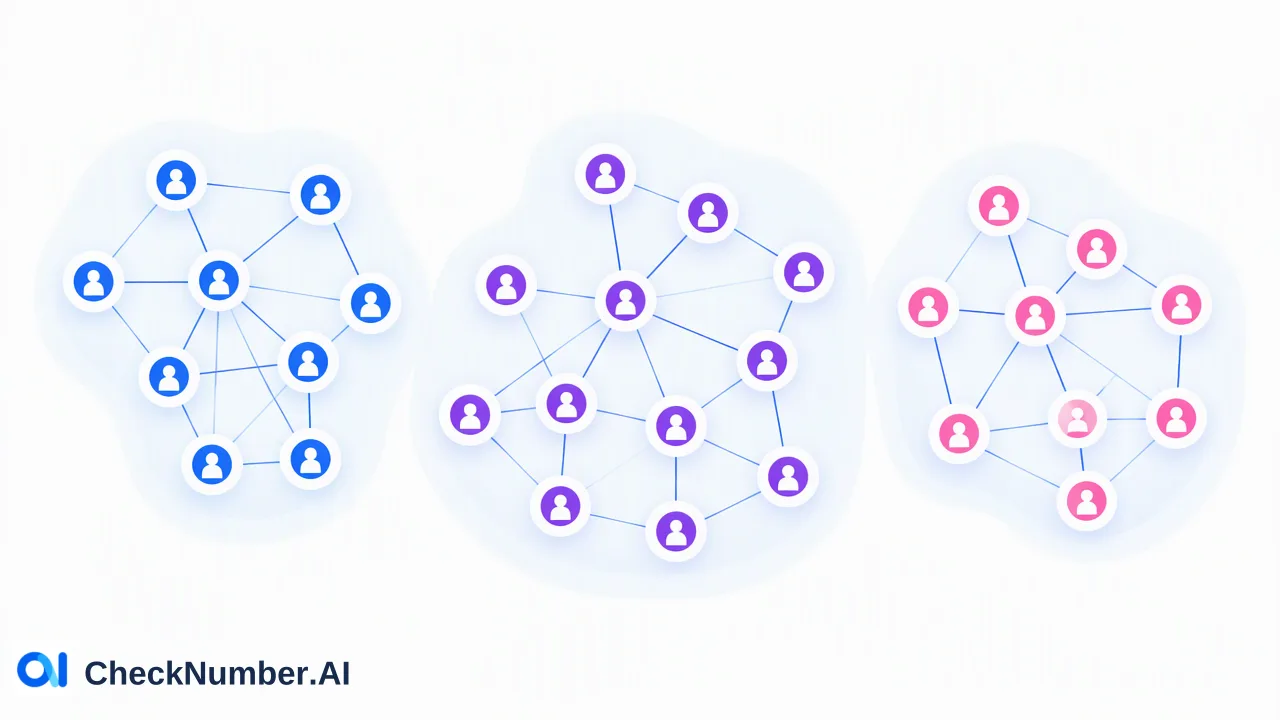
Segmenting community members by account age helps organizations deliver structured, relevant interactions across different member cohorts. Newer accounts typically require guided onboarding, orientation resources, and foundational rules to integrate smoothly into a group, whereas established accounts are better prepared for governance discussions, advanced topics, and deeper collaboration. When teams combine account age indicators with platform activity signals, they gain clearer operational context to adjust engagement strategies as members mature over time.
The Strategic Value of Account Age Segmentation
Managing digital communities requires balancing the needs of first-time joiners with the expectations of long-standing participants. Relying on uniform communication across an entire member base frequently causes friction: newer arrivals can become overwhelmed by specialized discussions, while experienced members may tune out repetitive orientation announcements. Account age segmentation introduces a structured method to categorize member records according to the duration of their platform presence. By establishing clear tenure cohorts, community operations teams can design communication flows that align with where members stand in their lifecycle. This structured separation helps teams maintain community standards, support constructive participation, and direct operational attention to the cohorts that require specific assistance.
Defining Your Segments: New vs. Veteran Accounts
Establishing clear operational thresholds is essential when dividing member lists into practical cohorts. While exact time boundaries can vary depending on community objectives, organizations commonly split their directories into two primary groups:
| Cohort Category | Typical Characteristics | Primary Community Need |
|---|---|---|
| New Accounts | Recently created platform presence, exploring navigation, establishing initial settings | Structured orientation, rule clarification, safe entry-level discussion channels |
| Veteran Accounts | Extended platform presence, familiar with platform features, stable profiles | Advanced discussions, contributor roles, peer moderation, specialized working groups |
| New accounts generally focus on discovering relevant topics, setting up notifications, and understanding group etiquette. Veteran accounts tend to focus on the substantive quality of interactions, community initiatives, and long-term group value. Recognizing these differences allows community administrators to structure distinct channels, permission layers, and notification schedules tailored to each group’s baseline familiarity. |
Integrating Activity Signals for Precision
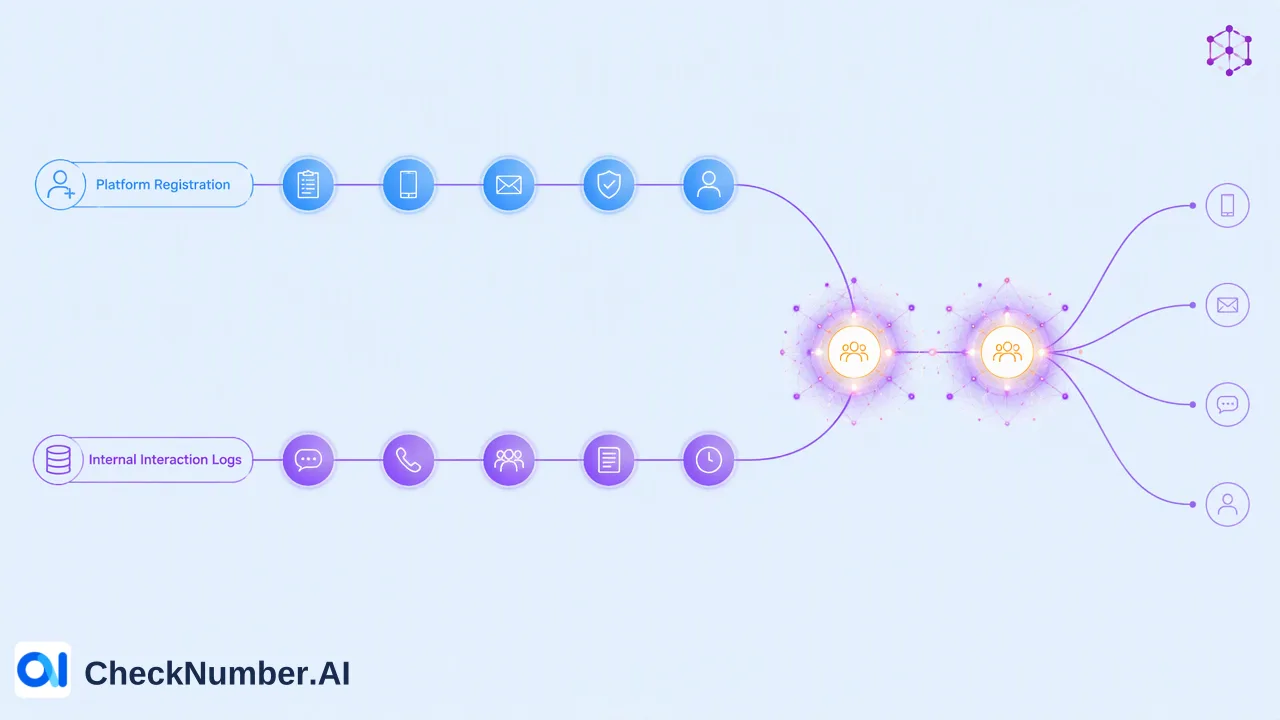
Evaluating account age alone offers an incomplete view of member status. An older account that has remained silent for months requires different handling than a long-standing member who regularly participates in discussions. To build an accurate operating picture, community managers layer tenure data with available activity and presence signals. For platform environments such as Telegram, teams can review account presence alongside available profile, last-seen, or username activity signals through dedicated data workflows. Utilizing specialized checks—such as the Telegram Age & Gender Checker, Telegram Days Checker, or Telegram Username Activity Checker—provides documented account presence, public profile information, and activity context. When teams evaluate phone or username lists using bulk CSV or TXT file uploads or REST API endpoints, these platform-specific signals offer helpful context for distinguishing active contributors from dormant profiles. Because member tenure and presence change continuously, historical contact lists should be re-screened over time. Periodic screening updates cohort classifications, enabling administrators to transition mature members out of introductory workflows into standard or specialized community tracks.
Tailoring Engagement and Workflow Strategies
Once cohorts are defined and enriched with presence data, organizations can implement targeted communication strategies that respect member background and expectations. * Introductory Workflows for New Profiles: Direct newly created profiles toward welcome guides, pinned FAQs, and introductory discussion threads. Providing structured onboarding reduces rule violations and helps newcomers find relevant information without disrupting ongoing advanced projects. * Advanced Programs for Veteran Members: Engage long-tenured accounts through specialized project committees, early feedback sessions, and community leadership initiatives. Experienced members appreciate direct avenues to contribute their expertise and participate in high-level discussions. * Administrative Prioritization: Community moderators can use tenure segments to allocate review time effectively. Monitoring queues can prioritize close attention on recently created accounts during their initial interaction window, while trusted, tenured profiles navigate community spaces with standard monitoring. Applying these targeted approaches helps organizations build orderly, resilient digital communities where members receive guidance that matches their platform experience.
FAQ
Why is account tenure valuable for community health?
Account tenure provides an objective baseline for understanding how familiar a member is with a platform and its norms. Categorizing members by account age helps community managers route orientation materials to newer profiles while offering advanced collaboration opportunities to established members. This distinction supports smoother community moderation and reduces communication fatigue across the broader membership.
How can teams combine account age with activity signals?
Account age indicates the duration of platform presence, but activity signals provide timely context regarding recent participation or last-seen presence. Combining tenure metrics with documented activity signals helps teams distinguish between long-standing contributors and inactive profiles, informing more precise community tiering and list management.
How often should organizations re-evaluate member account segments?
Member segments evolve continuously as profiles gain tenure and platform patterns shift. Re-screening member lists periodically against supported platform signals allows teams to update cohort assignments, transition onboarding cohorts into general participation groups, and keep community data aligned with current member status.