CheckNumber.AI
 · 2 min read
Where WhatsApp Avatar Checks Fit in a Fraud Screening Review
Risk teams are usually the first to ask for profile signals and the first to over-read them. Profile enrichment belongs in a review queue as one input among several, never as a standalone decision rule.
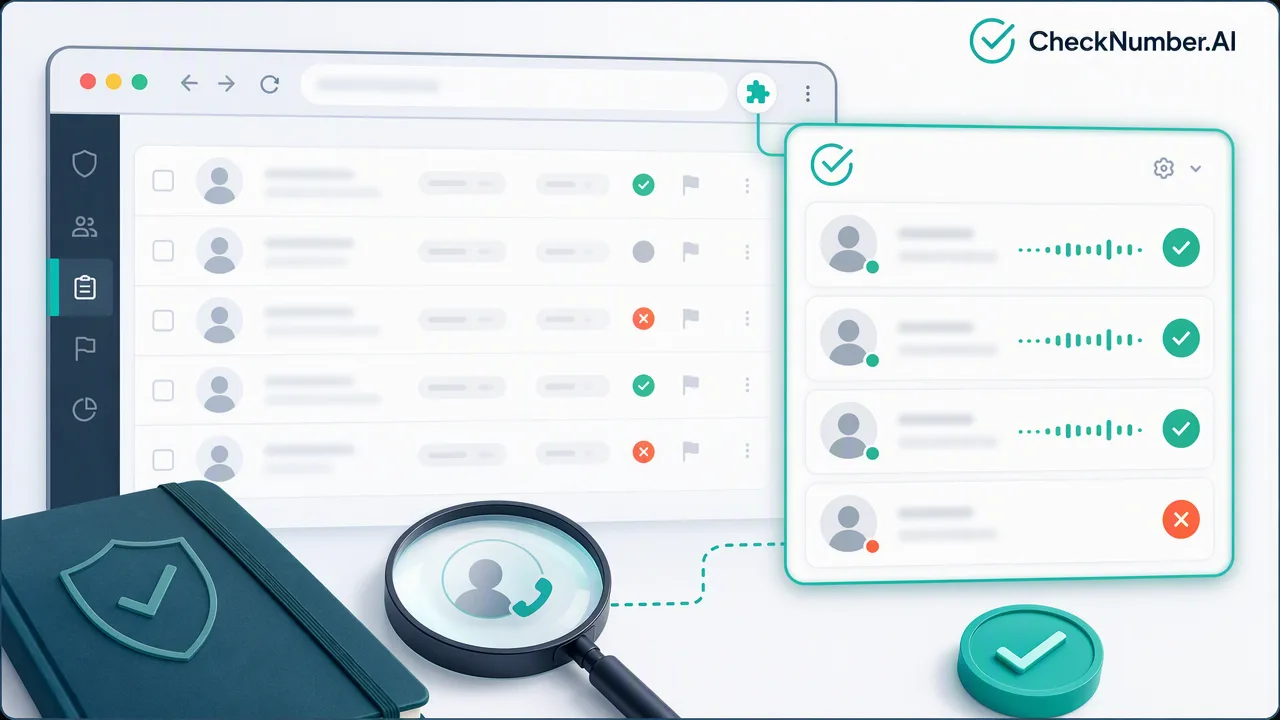
CheckNumber.AI’s Whatsapp Avatar, Age, Gender & Others Checker reports WhatsApp account-presence and available profile enrichment for a number, which risk reviewers use as one contextual input alongside their other screening signals.
One input, not a decision
Profile enrichment describes what public information exists for an account. It does not establish who controls a number, and it cannot settle whether a particular transaction is legitimate. Used as one column in a review queue it adds useful context; used as an automatic decline rule it will reject ordinary customers who keep their profiles private.
What reviewers actually gain
The gain is ordering, not judgement. When a queue holds more cases than the team can examine closely, profile context helps decide which cases get the careful look first. That is a real efficiency improvement and it does not require the signal to mean anything stronger than it does.
Combining with platform-specific checks
CheckNumber.AI documents separate checkers for WhatsApp, Telegram, Viber and other platforms, each scoped to its own platform and its own documented fields. Keep their results in separate fields when they feed a risk model, so the model cannot learn a relationship that the underlying products do not claim.
Documenting the limits where reviewers will see them
Whatever your queue interface is, put the scope of the signal next to the value rather than in a policy document nobody opens. Reviewers inherit interfaces, not intentions, and a one-line caption is what stops a helpful ordering signal from turning into an informal decline rule.
FAQ
Can profile enrichment support an automated decline?
It should not. The check describes available public profile information, so an automated decline built on it would reject contacts for keeping a profile private.
Does richer profile information indicate lower risk?
Not on its own. Treat it as context that helps order a review queue rather than as a risk score.