CheckNumber.AI
 · 3 min read
Beyond the List: Contact List Verification for Messaging
Explore how contact list verification for messaging supports audience segmentation using carrier intelligence and platform-specific signals.

Pre-messaging verification is a foundational step for high-trust markets to align communication strategies with the technical capabilities of recipient devices. By utilizing contact list verification for messaging, organizations can process bulk lists to identify carrier details, line types, and platform-specific signals like RCS support. This contact intelligence helps teams segment audiences effectively and informs messaging workflows before outreach begins.
The Strategic Value of Contact Intelligence
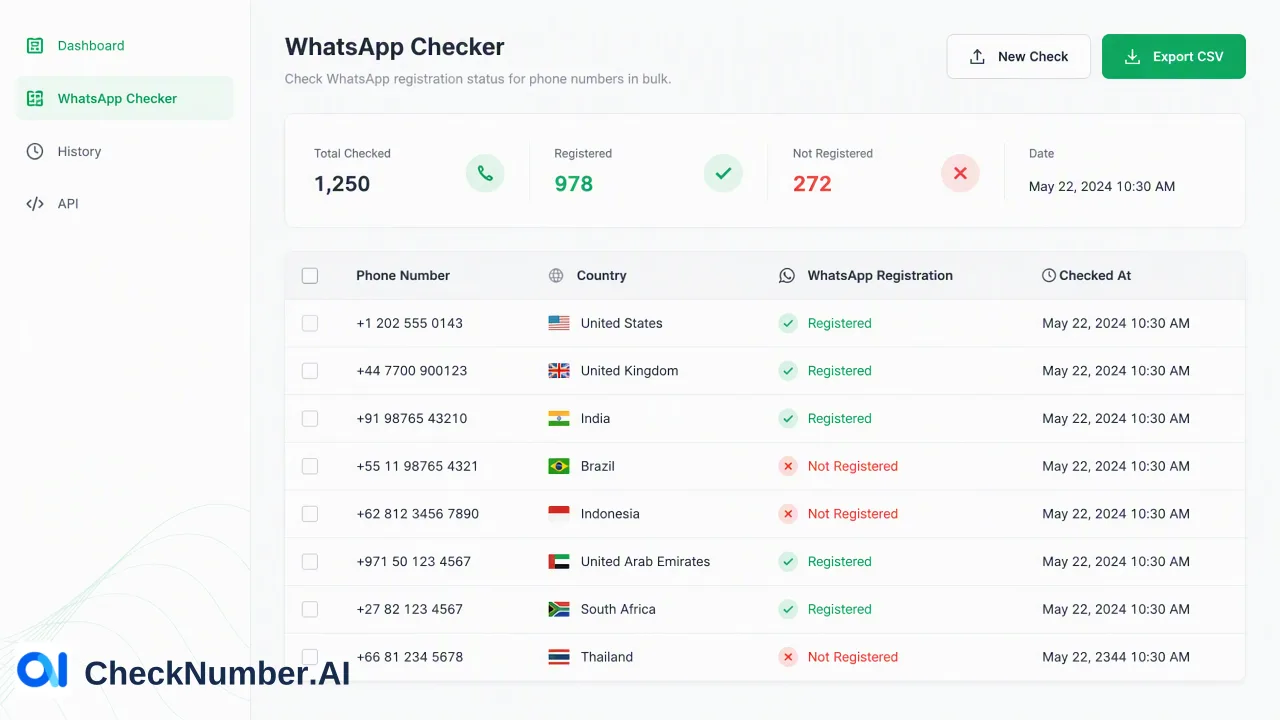
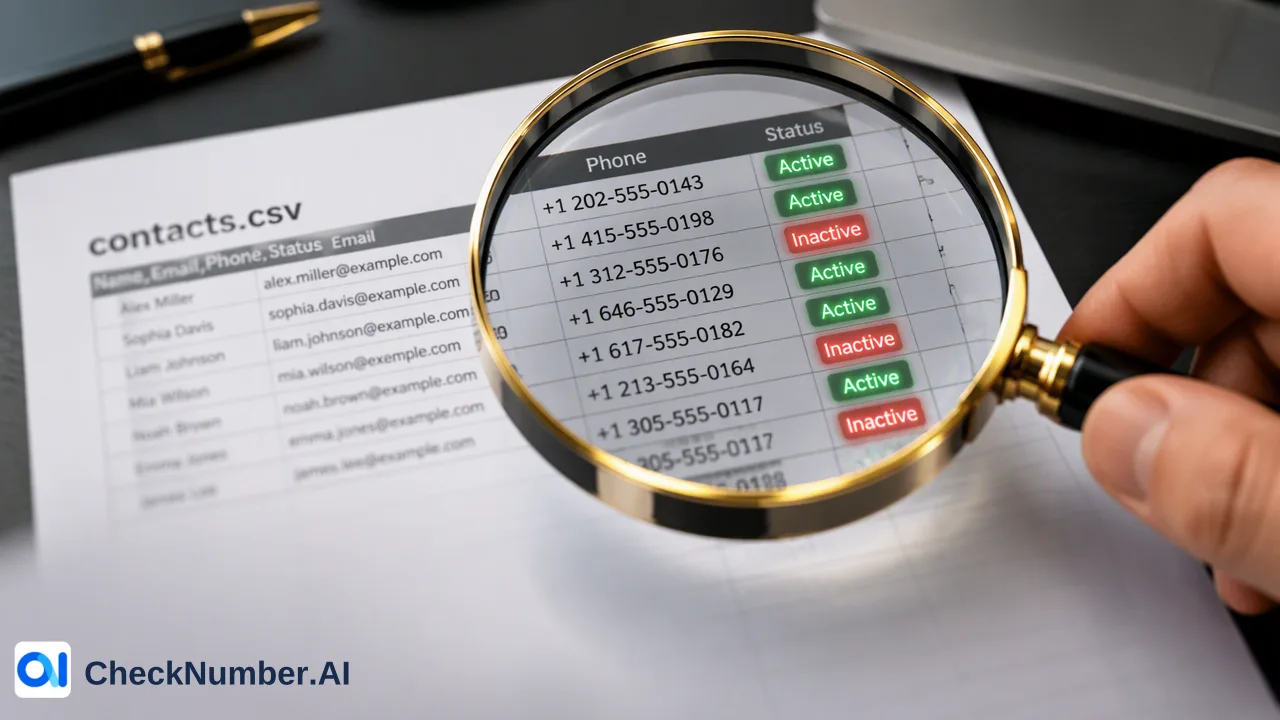
Managing communication in high-trust sectors requires understanding the technical context of a recipient’s phone number. Contact intelligence supports this by providing data on carrier networks, line types, and platform capabilities. The core workflow relies on the bulk checking of supported phone-number or email lists. Processing these lists in advance helps organizations structure their outreach based on actual device and network characteristics, rather than assumptions. This approach informs internal decisions and supports more precise audience segmentation.
Understanding Carrier Intelligence
Carrier intelligence provides essential regional and network context for phone numbers, which is distinct from platform registration signals. CheckNumber.AI offers two distinct tools for this purpose. The Global Carrier Checker identifies the carrier, line type, country, and regional context for phone numbers across supported countries worldwide. For North American operations, the Advanced US Carrier Checker specifically identifies carrier, line type, and regional context for United States and Canada phone numbers. Utilizing these tools helps teams categorize contacts by network type, which can be one input alongside other checks when planning a messaging strategy.
Leveraging Platform-Specific Signals
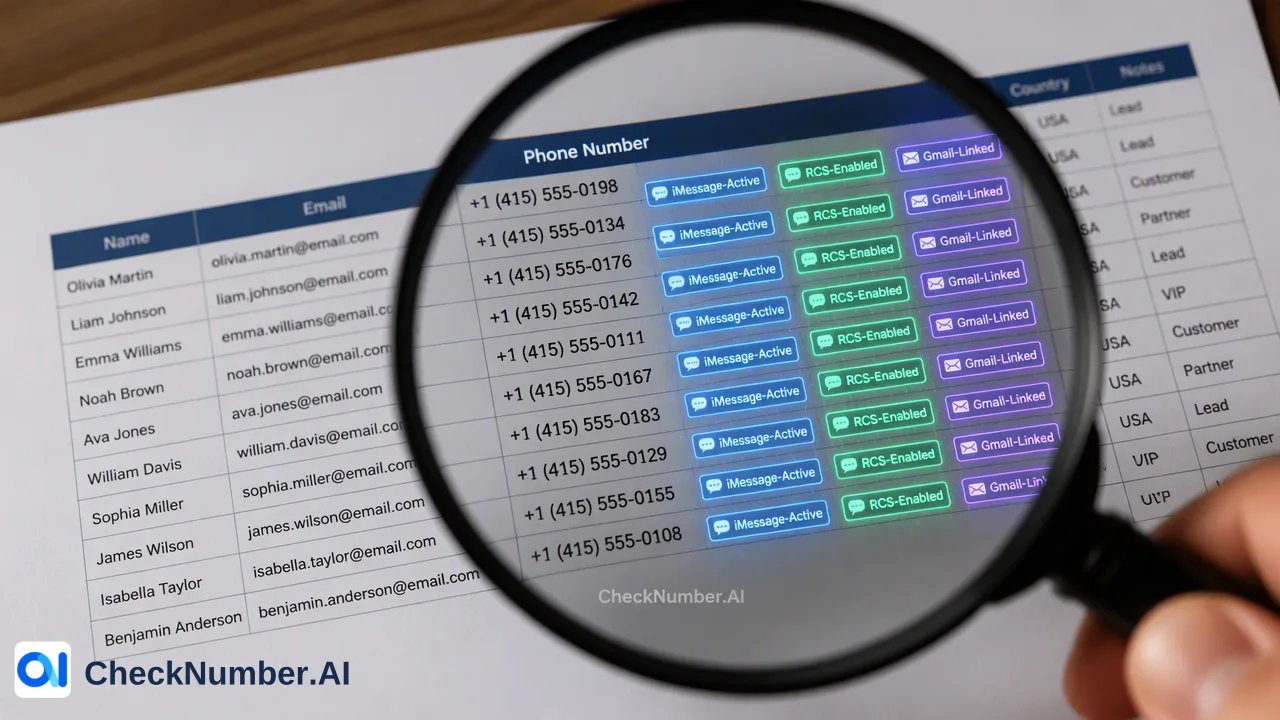
While carrier data provides network context, platform-specific signals indicate whether a number is registered on a particular messaging service. For example, the RCS Checker identifies phone numbers that support RCS or Google Messages. This platform registration signal supports rich-messaging audience planning by highlighting which contacts can receive advanced message formats.
Implementing Bulk Verification Workflows
Integrating contact list verification for messaging into existing technical stacks requires flexible input methods. CheckNumber.AI bulk workflows support CSV or TXT list uploads for manual or batch processing. For automated list processing, the platform provides REST API access. This allows technical teams to programmatically submit lists and retrieve contact intelligence signals, supporting efficient list management without disrupting established operational workflows.
FAQ
What is the difference between carrier intelligence and platform registration signals?
Carrier intelligence identifies the network provider, line type, and regional context of a phone number. Platform registration signals, such as those from the RCS Checker, indicate whether a number is registered to use a specific service like RCS or Google Messages.
How does bulk verification support messaging workflows?
Bulk checking of supported phone-number or email lists helps teams gather contact intelligence at scale. This data informs audience segmentation and rich-messaging planning before outreach occurs.
How can technical teams integrate bulk list checking?
Organizations can integrate these checks using bulk workflows that support CSV or TXT list uploads, as well as through REST API access for automated processing.