CheckNumber.AI
 · 5 min read
How to Verify WhatsApp Registration Status at Scale: A Guide for Bulk Outreach
A comprehensive guide for operations teams on using bulk WhatsApp registration verification to maintain CRM hygiene, filter unregistered numbers, and support efficient messaging workflows.
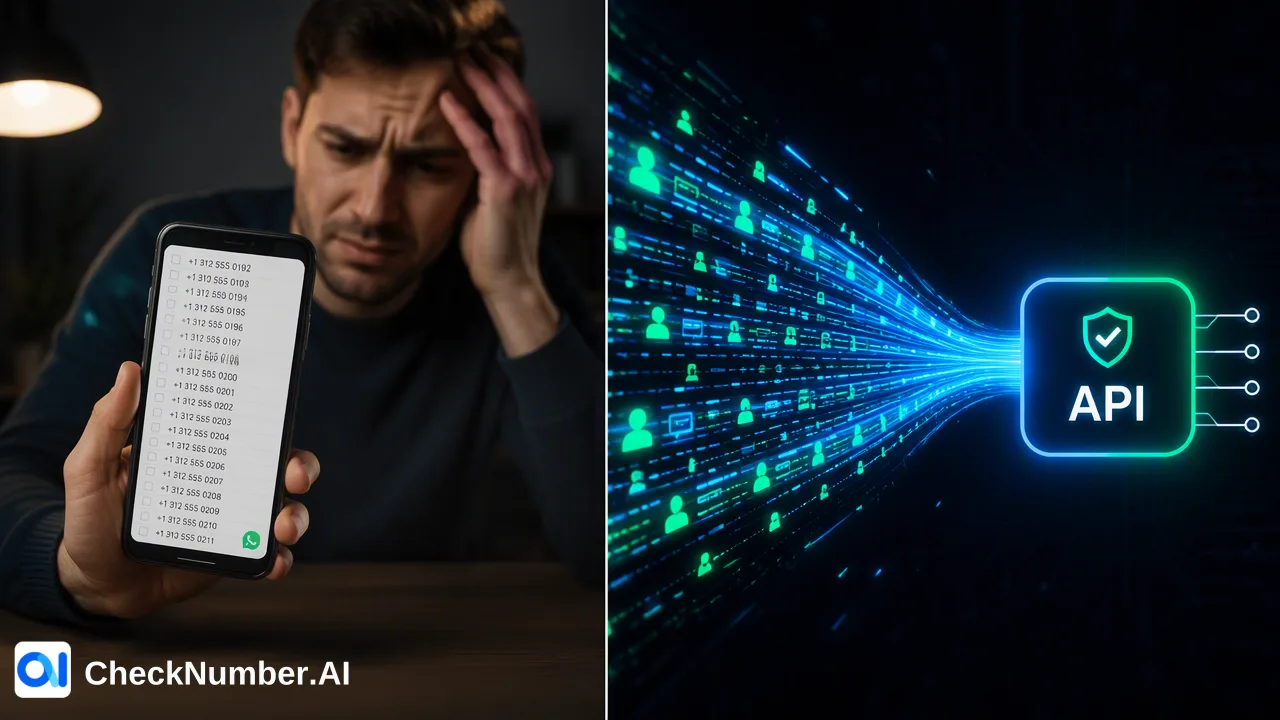
Verifying WhatsApp registration status is a critical pre-send step that helps teams filter out invalid or unregistered numbers, significantly reducing messaging waste and supporting improved campaign efficiency. While manual checks suffice for small contact lists, organizations managing large-scale outreach should utilize automated bulk verification workflows to maintain CRM data hygiene and protect sender reputation before campaign deployment. By confirming account presence before initiating outreach, operations teams can focus their resources on valid contacts and maintain a high-quality messaging pipeline.
The Importance of WhatsApp Registration Verification
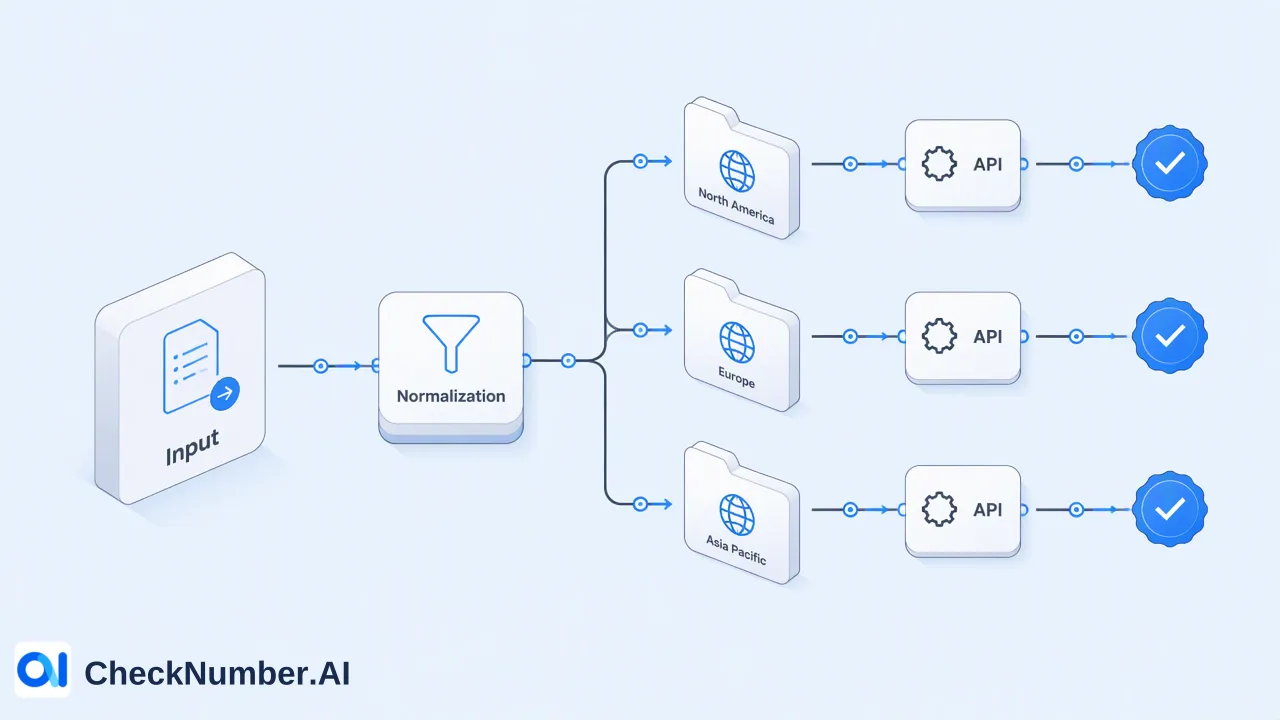
Organizations conducting outreach need accurate data to support their messaging workflows. A WhatsApp registration signal confirms whether a specific phone number is currently associated with a WhatsApp account at the time of the check. By identifying which numbers possess an active account presence, teams can filter out invalid or unregistered contacts before initiating a campaign. This pre-send hygiene helps reduce messaging waste and supports sender reputation management. Attempting to send high volumes of messages to unregistered numbers can result in elevated failure rates, which may negatively impact a sender’s standing or lead to pipeline inefficiencies. Filtering these numbers in advance helps maintain a clean operational flow. Furthermore, accurate verification relies heavily on proper data formatting. Phone numbers should be formatted using the E.164 international standard before processing. This standard includes the plus sign, country code, and subscriber number without spaces or special characters. Standardizing data into the E.164 format ensures the checking process accurately interprets the routing information, preventing false negatives that can occur when local dialing formats are submitted to an international verification system.
Manual vs. Automated Verification Methods
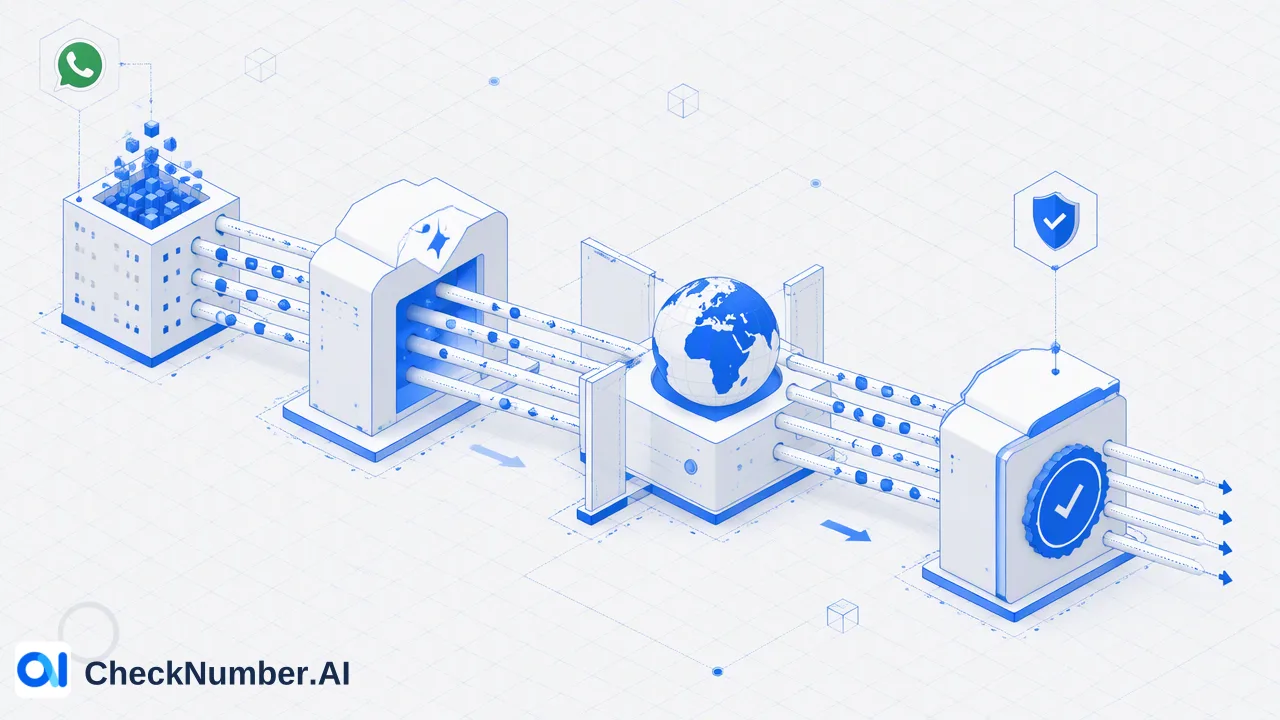
Teams evaluating verification workflows generally choose between manual checks and automated systems based on their contact volume and operational requirements. Manual verification methods typically involve syncing contacts to a mobile device’s address book, refreshing the application, and visually checking for the platform’s icon next to each name. While this approach is sufficient for small lists or ad-hoc individual checks, it introduces significant friction as list sizes grow. Manual processes fail to scale for enterprise operations because they are time-consuming, prone to human error, and difficult to document systematically. Automated bulk verification is the standard for maintaining CRM data hygiene in high-volume messaging pipelines. Instead of checking numbers one by one through a consumer interface, automated workflows process large datasets simultaneously. This systematic approach returns structured data that can be easily integrated into databases, providing a scalable method for identifying account presence across extensive contact lists without manual intervention.
Implementing Scalable Verification Workflows
Transitioning to an automated approach requires integrating bulk checking capabilities into existing operations. The core workflow for scalable verification involves the bulk checking of supported phone-number lists. Organizations can implement these workflows through two primary methods: file uploads and API integration. For operations teams managing discrete campaigns, bulk workflows support CSV or TXT list uploads. This allows non-technical users to export a segment from their CRM, upload the file to the verification system, and download a cleaned list containing only the registered numbers. This file-based workflow is ideal for periodic list cleaning and campaign preparation. For deeper, continuous integration, REST API access allows technical teams to connect the verification process directly into their CRM systems or messaging pipelines. By utilizing the API, organizations can automate the verification step so that numbers are checked programmatically before a message is triggered. This flexibility supports both ad-hoc list cleaning and continuous data hygiene, ensuring that the contact database remains accurate as new leads are acquired and processed.
Beyond Registration: Understanding Account Signals
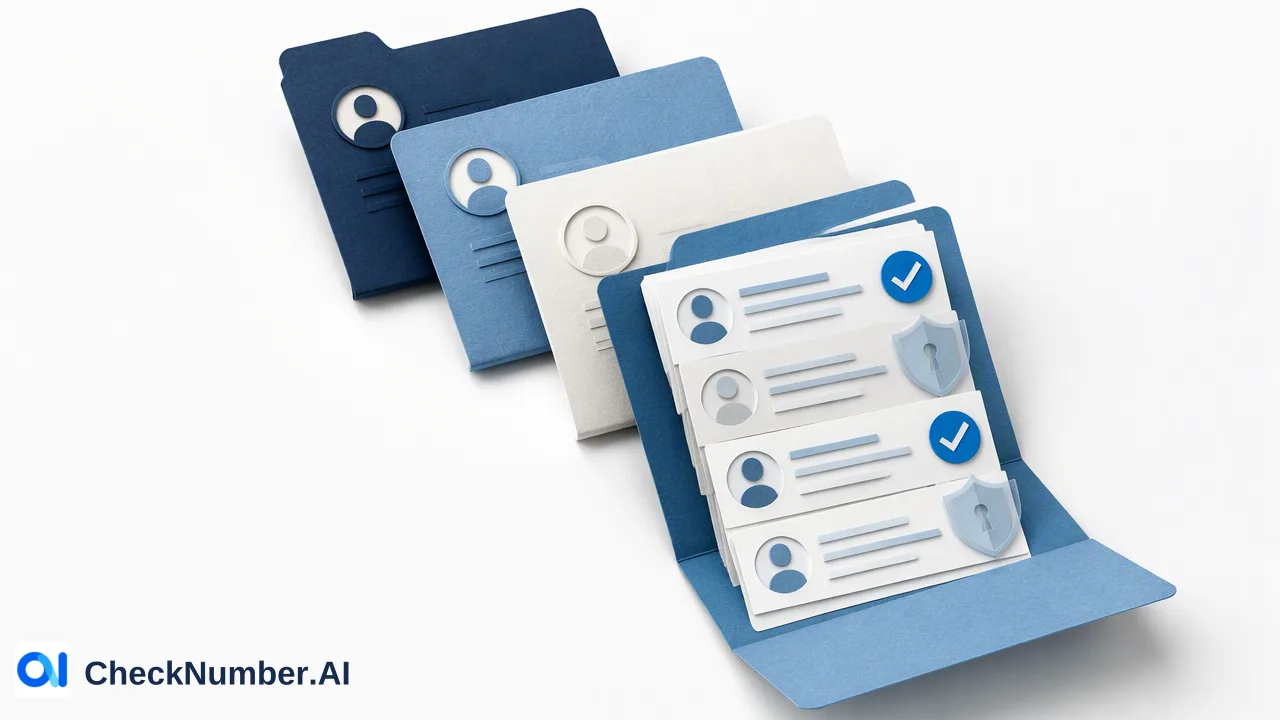
When evaluating contact lists, it is important to distinguish between basic registration and additional account context. A platform registration signal strictly indicates account presence—it confirms the account exists at the time of the check. However, specialized tools like the WhatsApp Days Checker provide additional layers of information beyond basic presence. In addition to checking WhatsApp account presence, this workflow can provide available activity or last-seen context, as well as available business-account and profile context. Understanding the distinction between a registered number and an active account helps teams refine their strategies. While registration status confirms that an account exists, activity signals provide additional context that helps teams prioritize their outreach efforts. For example, identifying numbers with recent activity context can inform internal decisions about which segments to prioritize. Similarly, business-profile signals help organizations distinguish between B2B and B2C contacts.
FAQ
Why do organizations verify WhatsApp numbers before sending messages?
Verifying numbers before outreach helps teams filter out invalid or unregistered contacts. This pre-send step reduces messaging waste, supports CRM data hygiene, and helps protect sender reputation by minimizing attempts to contact non-existent accounts.
What is the difference between a registered number and an active account?
A registered number indicates that the phone number is currently associated with a WhatsApp account presence. An active account signal provides additional context, such as available activity or last-seen information, which helps teams prioritize outreach based on recent platform usage.
How can teams verify large lists of phone numbers efficiently?
Organizations can efficiently process large lists using automated bulk verification workflows. These workflows support CSV or TXT list uploads for manual batch processing, as well as REST API access for programmatic integration directly into CRM systems and messaging pipelines.
Why is E.164 formatting necessary for bulk verification?
E.164 is the international standard for phone numbers. Standardizing contact lists into the E.164 format ensures the verification system accurately identifies the country code and subscriber number, reducing formatting errors and preventing false negatives during bulk processing.