CheckNumber.AI
 · 4 min read
Registration vs. Activity: A Framework for Optimizing Messaging Outreach
Explore the strategic distinction between basic registration checks and granular activity signals to optimize messaging outreach and audience segmentation.
Effective messaging outreach requires more than just verifying if a phone number is formatted correctly. By distinguishing between simple registration signals and granular activity data, businesses can segment audiences by platform capability and engagement level. This framework supports more targeted communication, improved list hygiene, and better resource allocation across messaging channels. Relying on platform-aware intelligence—such as WhatsApp activity signal detection—informs internal decisions and helps teams prioritize contacts based on available context rather than generic phone validity.
The Limitations of Basic List Validation
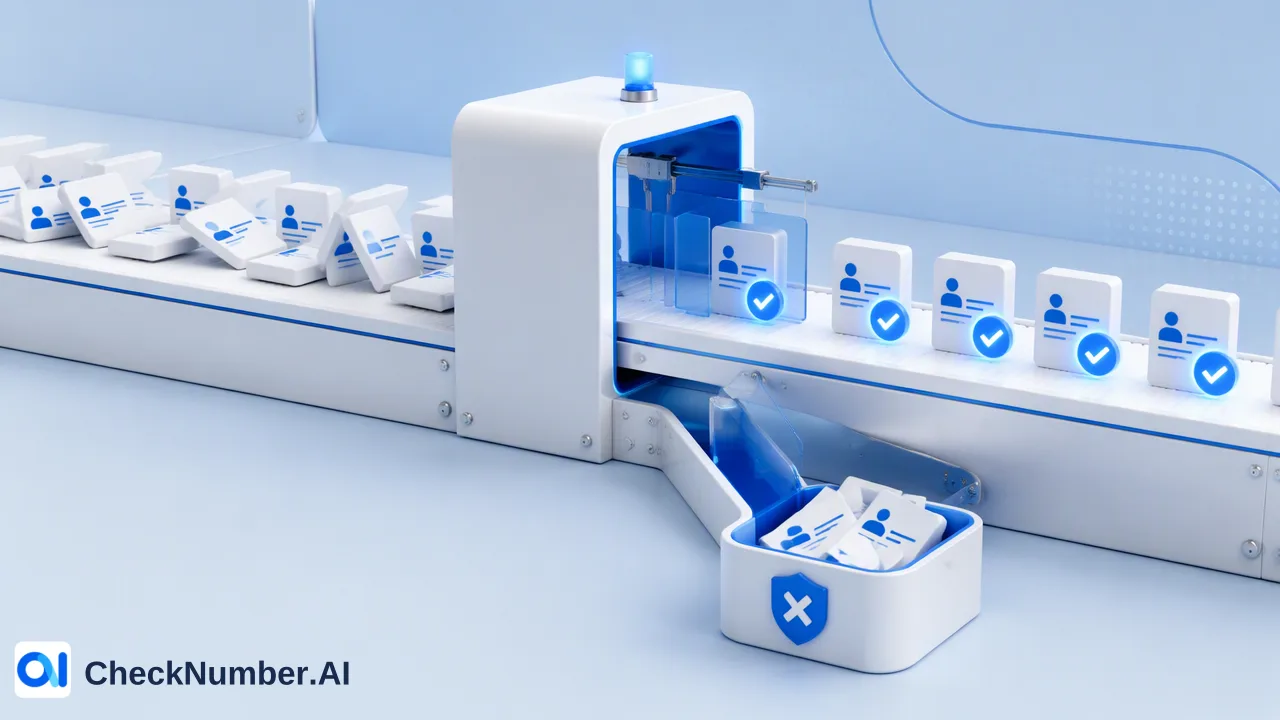
Traditional contact list hygiene often relies on generic phone number validation. While this process confirms that a number is formatted correctly, it lacks platform-specific context. A generically valid phone number does not indicate whether the contact uses modern rich-messaging applications, nor does it provide insight into their engagement level on those platforms. When teams plan campaigns without platform awareness, they risk allocating resources toward channels where the audience is not present. Generic validation cannot differentiate between an iOS user who can receive iMessage communications and an Android user who relies on RCS or WhatsApp. Consequently, treating all valid numbers as identical limits the ability to tailor outreach strategies to the specific capabilities of the recipient’s device and preferred messaging ecosystem. Moving beyond basic validation requires checking for actual account presence on target platforms.
Understanding Registration Signals
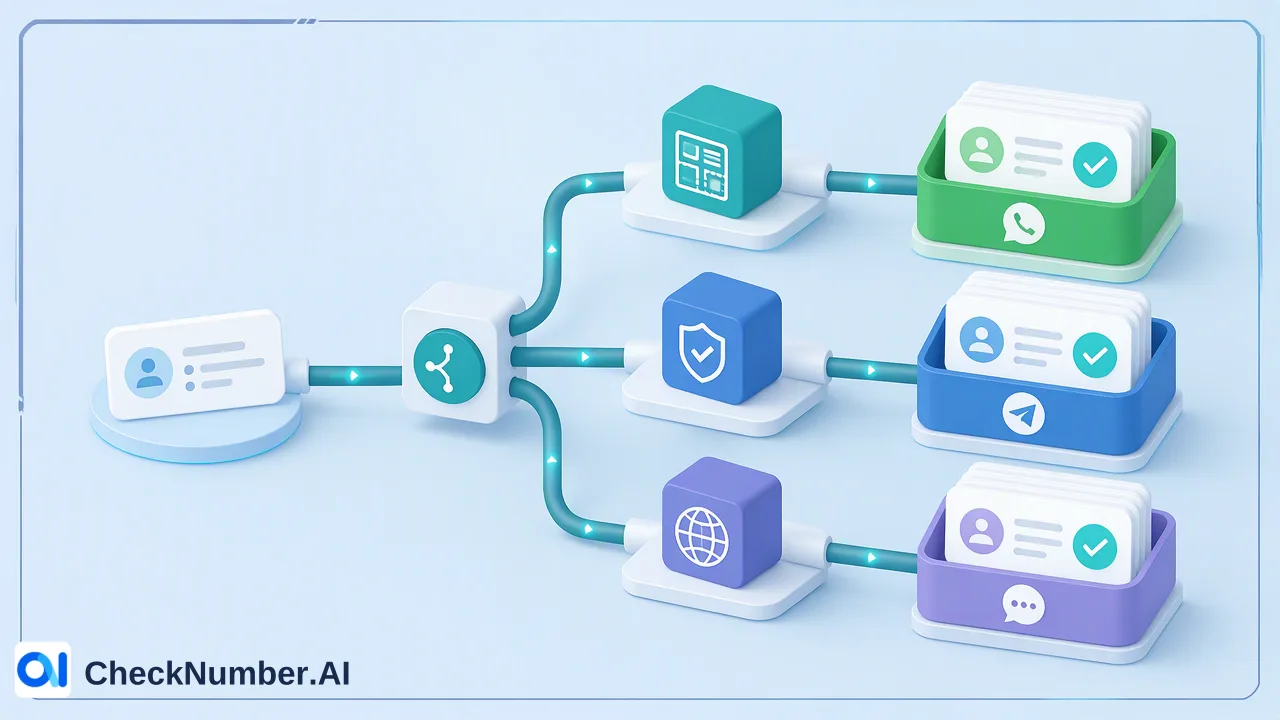
A registration signal is a verification check that confirms whether a phone number is associated with an active account on a specific messaging platform. Unlike generic validation, these signals provide concrete data about where a contact can be reached, which supports platform-specific outreach planning. Different platforms offer distinct capabilities, and identifying registration status helps teams segment their audiences accordingly. For example, the iMessage Checker identifies iMessage-registered numbers in bulk. This signal informs iOS and Apple ecosystem audience segmentation, helping teams plan iMessage-focused outreach or support workflows. Similarly, the RCS Checker identifies phone numbers that support RCS or Google Messages, which contributes to rich-messaging audience planning.
Leveraging Activity Signals for Prioritization
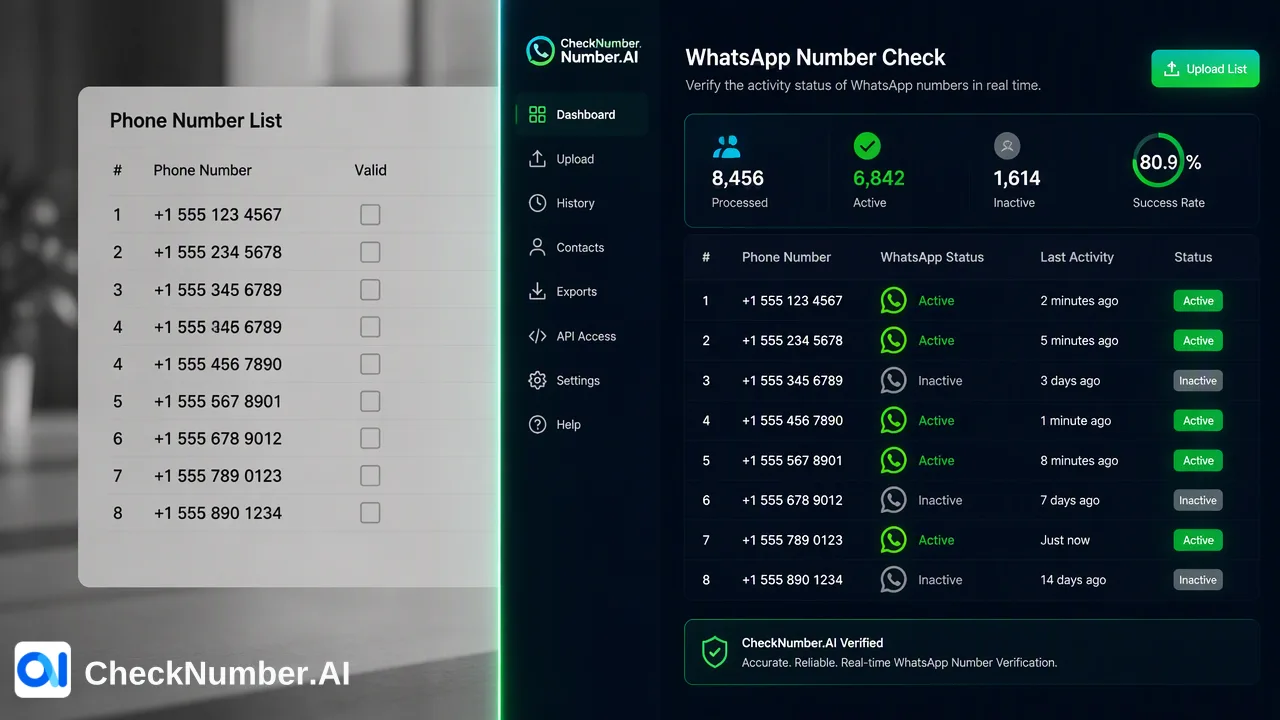
While a registration signal confirms that an account exists, an activity signal provides additional context regarding the recency or frequency of account usage. This granular data helps teams prioritize their contact lists and refine their communication workflows. For organizations utilizing the WhatsApp network, WhatsApp activity signal detection is a valuable input for decision-support. The WhatsApp Days Checker evaluates WhatsApp account presence while also providing available activity or last-seen context. In addition to basic activity data, this tool can surface available business-account and profile context. By integrating these activity signals, teams can distinguish between newly registered accounts and profiles with established activity. This context informs internal decisions, allowing marketing and support teams to prioritize outreach to contacts who demonstrate platform engagement, thereby optimizing resource allocation and campaign timing.
Implementing a Platform-Aware Workflow
Transitioning to a platform-aware outreach strategy requires integrating these registration and activity checks into existing customer relationship management (CRM) and marketing systems. The core workflow for CheckNumber.AI involves the bulk checking of supported phone-number or email lists, designed to process contact data efficiently. Organizations can implement these checks through flexible bulk workflows that support CSV or TXT list uploads for no-code processing. For automated, programmatic integration, teams can utilize REST API access to query numbers directly from their internal applications. When building this workflow, it is important to treat the returned data as decision-support inputs. Registration and activity signals should be one input alongside other internal checks to guide routing and segmentation. By systematically applying the appropriate checker—whether for WhatsApp, iMessage, or RCS—businesses can continuously update their CRM data with accurate platform intelligence, supporting more effective and highly segmented communication strategies.
FAQ
What is the difference between a registration signal and an activity signal?
A registration signal confirms whether a phone number is associated with an account on a specific platform, such as iMessage or RCS. An activity signal goes a step further by providing context about account usage, such as available last-seen data or activity duration, which helps teams prioritize their outreach efforts.
How can I integrate platform-specific checks into my existing CRM?
Platform-specific checks can be integrated into existing CRM workflows through bulk processing methods. Teams can upload contact lists using CSV or TXT files for manual processing, or they can use REST API access to automate the checks directly within their internal marketing and support systems.
Why should I use platform-aware checks instead of generic phone validation?
Generic phone validation only confirms that a number is formatted correctly, lacking insight into the recipient’s messaging capabilities. Platform-aware checks confirm actual account presence on networks like WhatsApp, iMessage, or RCS, which supports precise audience segmentation and helps teams plan channel-specific outreach.